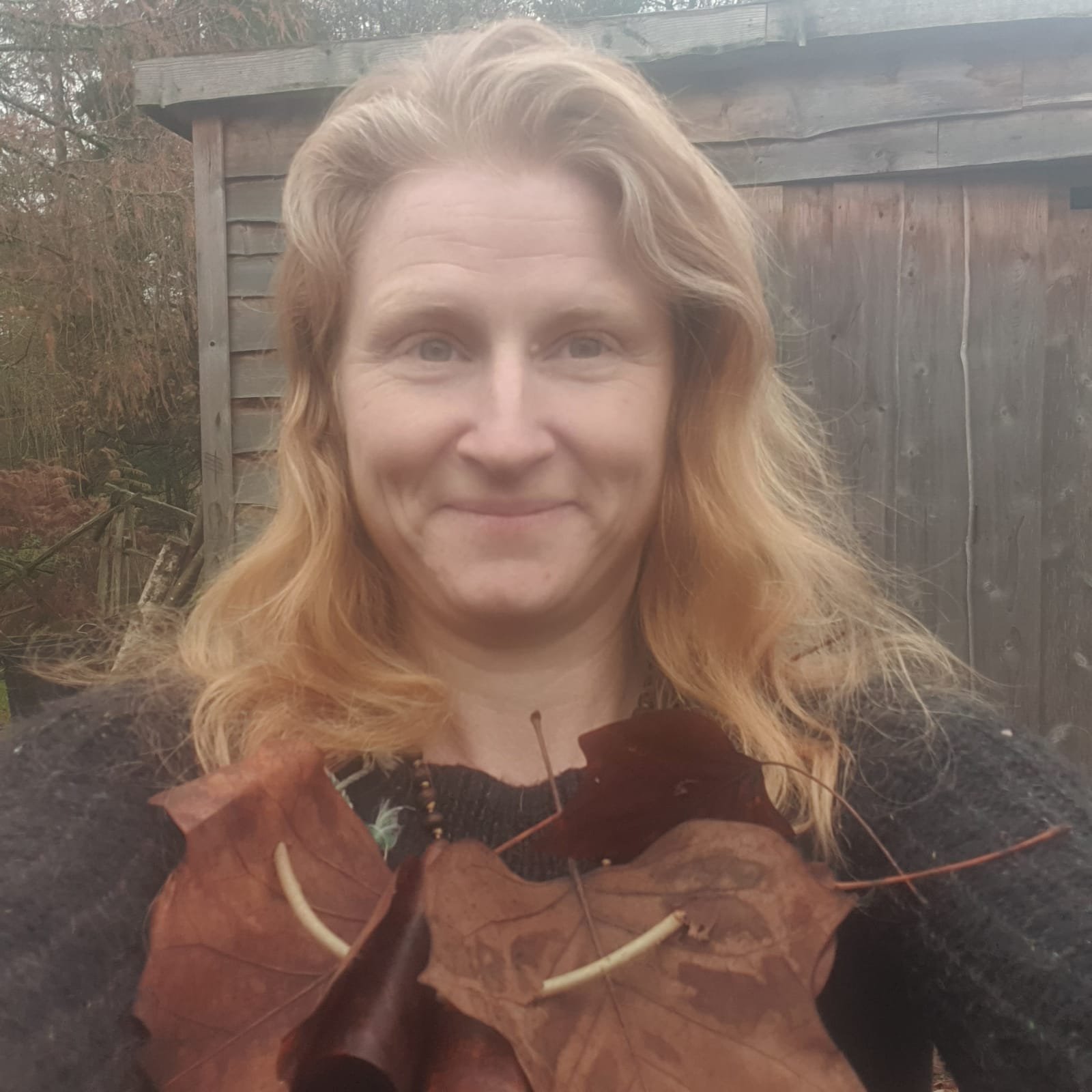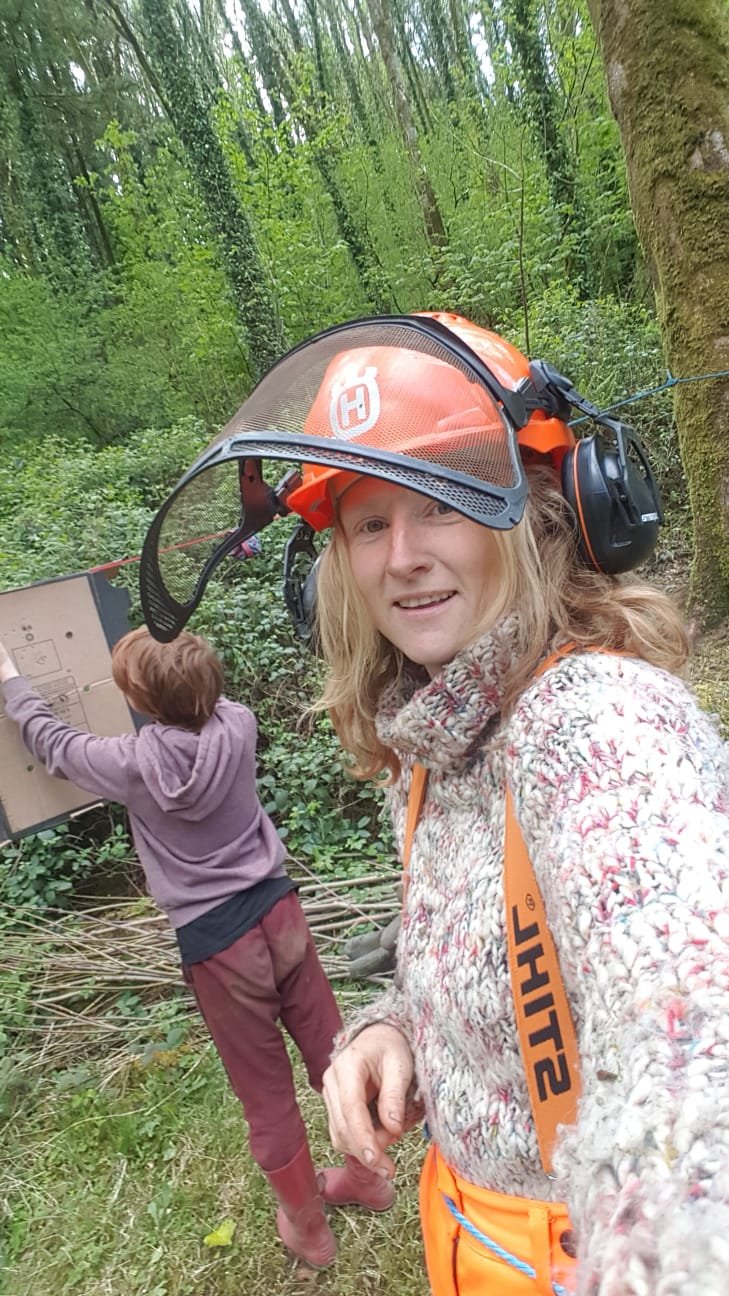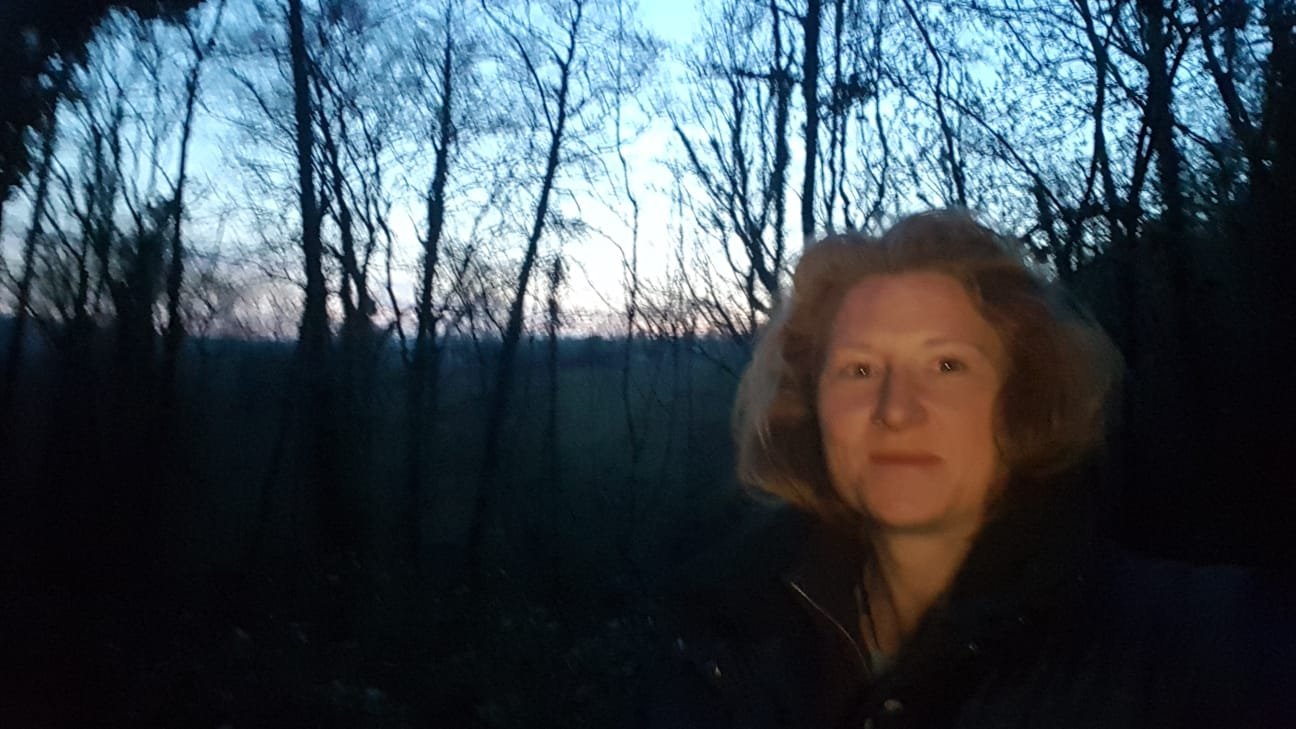
Emma Gleave

My work with The Rewild Project and SEED grows out of a lifelong fascination with how humans live together — and how easily things unravel when land, power, care and responsibility fall out of balance.
Long before social media, before “community” became a brand, I was reading, visiting, listening.
I was on Diggers & Dreamers when it was an online forum
— a place of long posts, hard questions and shared learning.
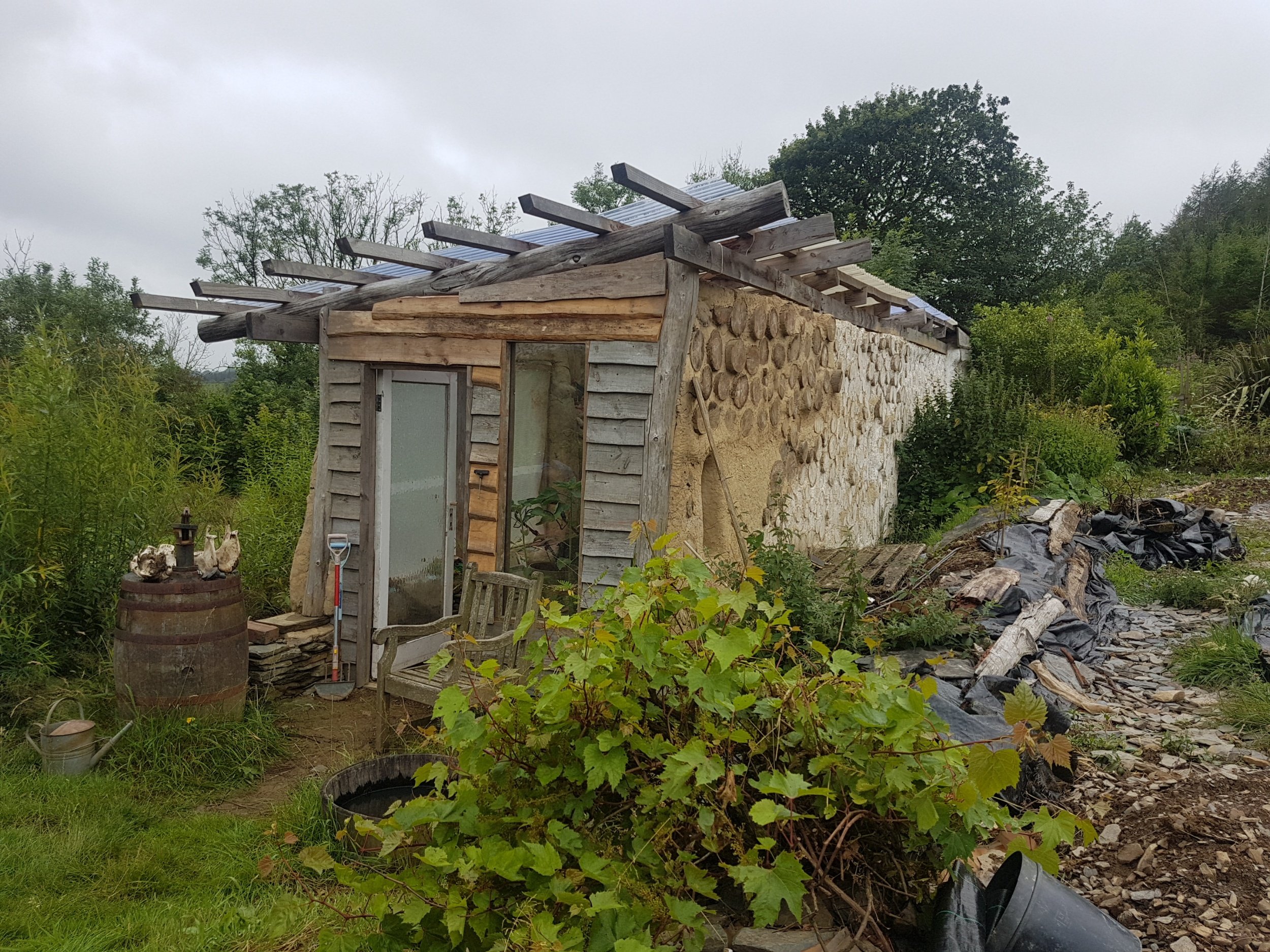
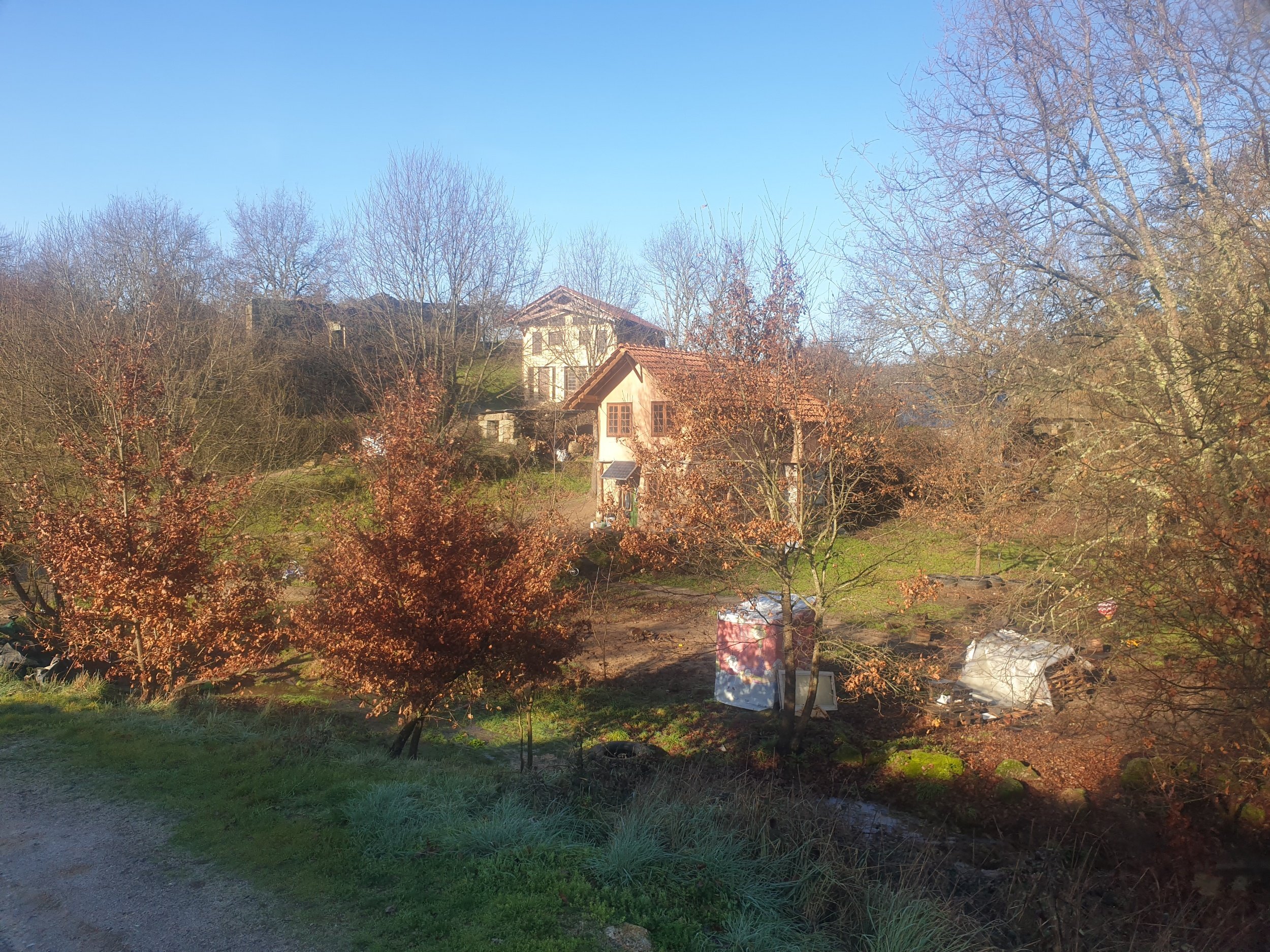
I travelled to housing co-ops and land-based projects across the UK, from Radical Routes collectives to places like Lilac, Brithdir Mawr, Llammas and Tinkers Bubble, learning not only from what endured, but from what struggled, shifted or changed hands over time.
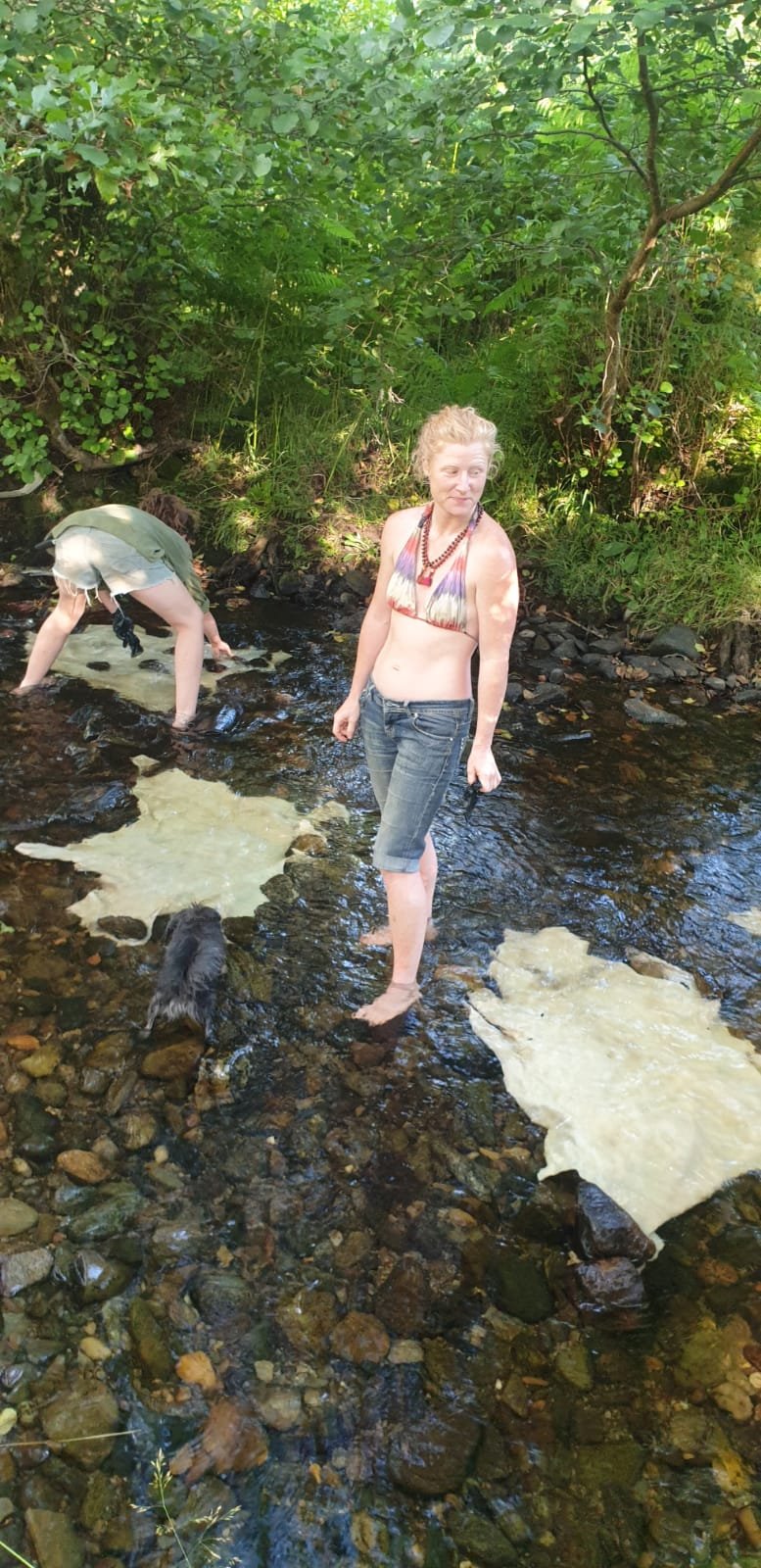
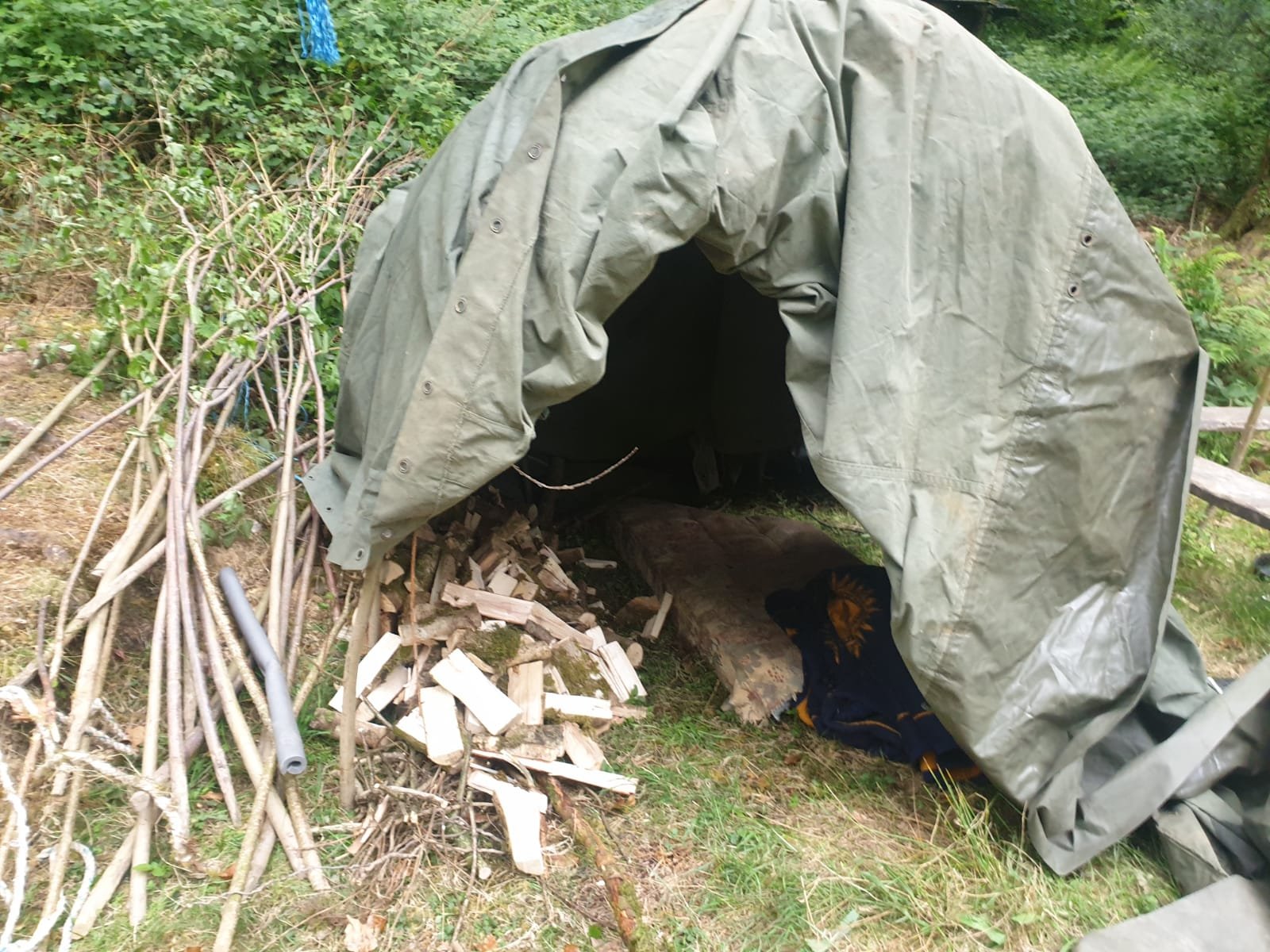
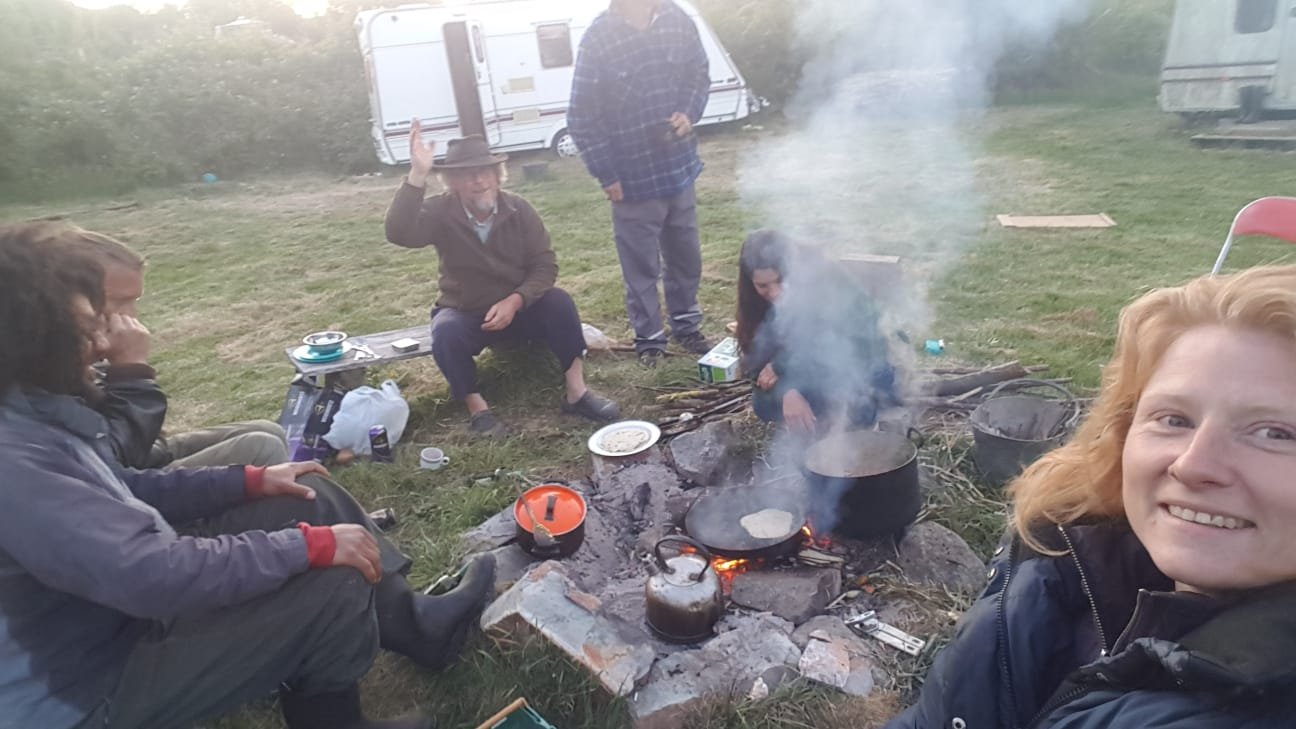
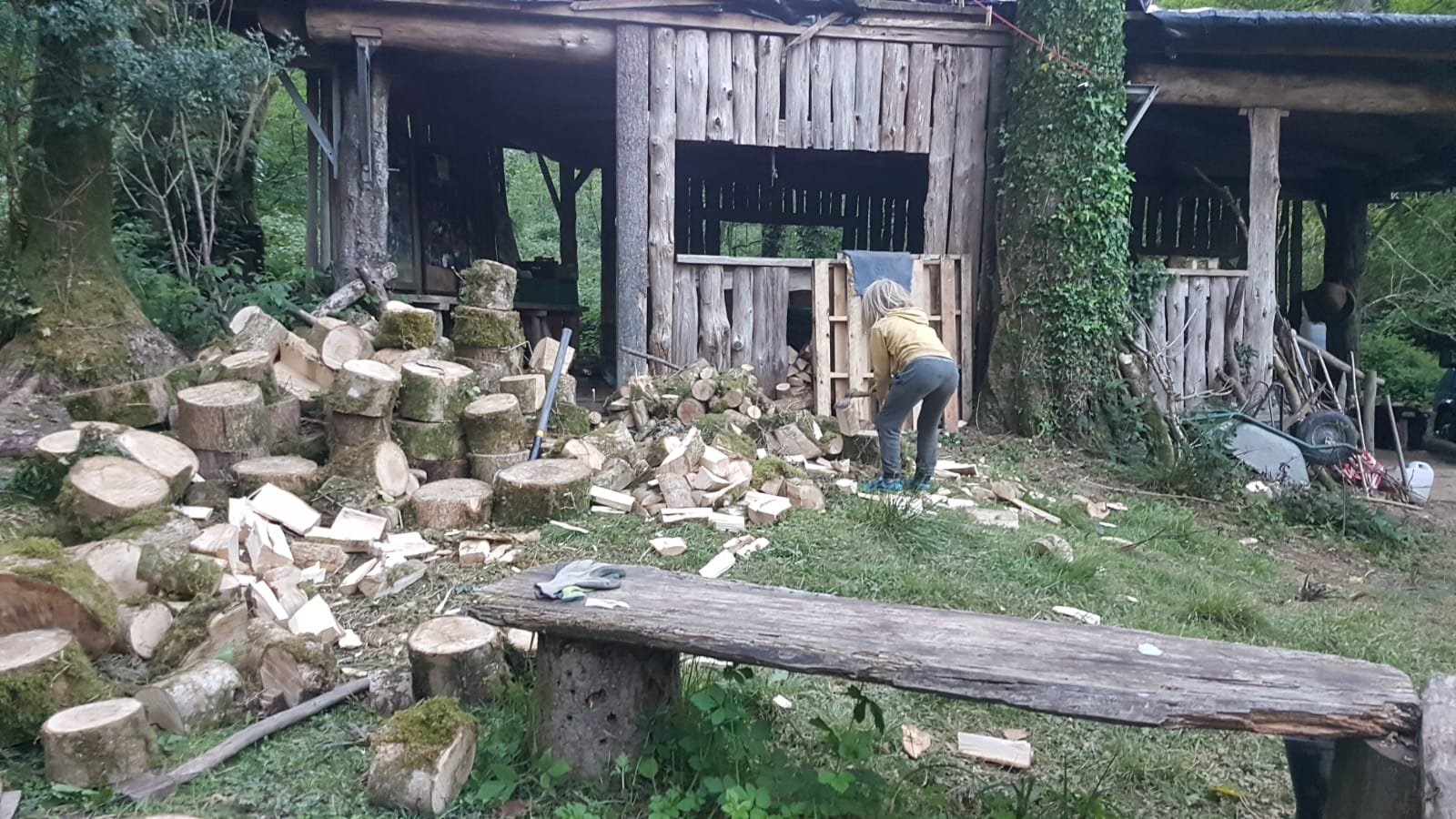
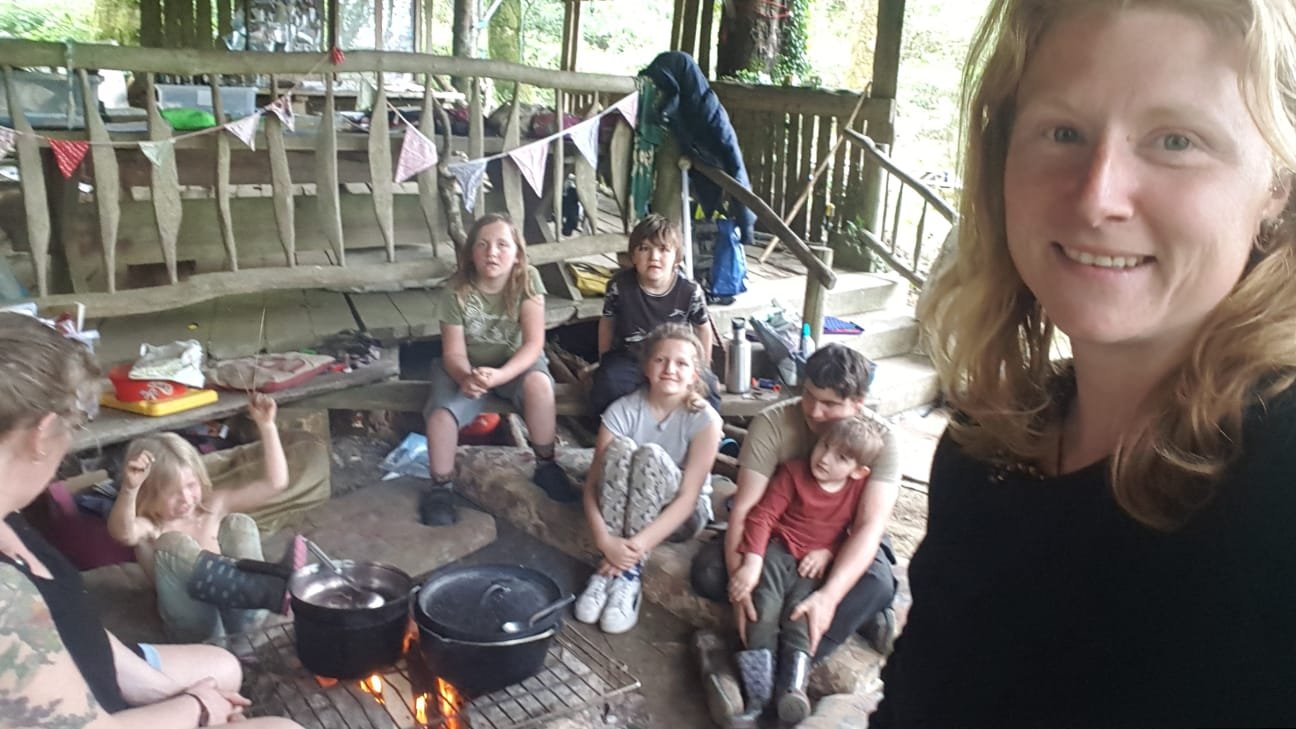
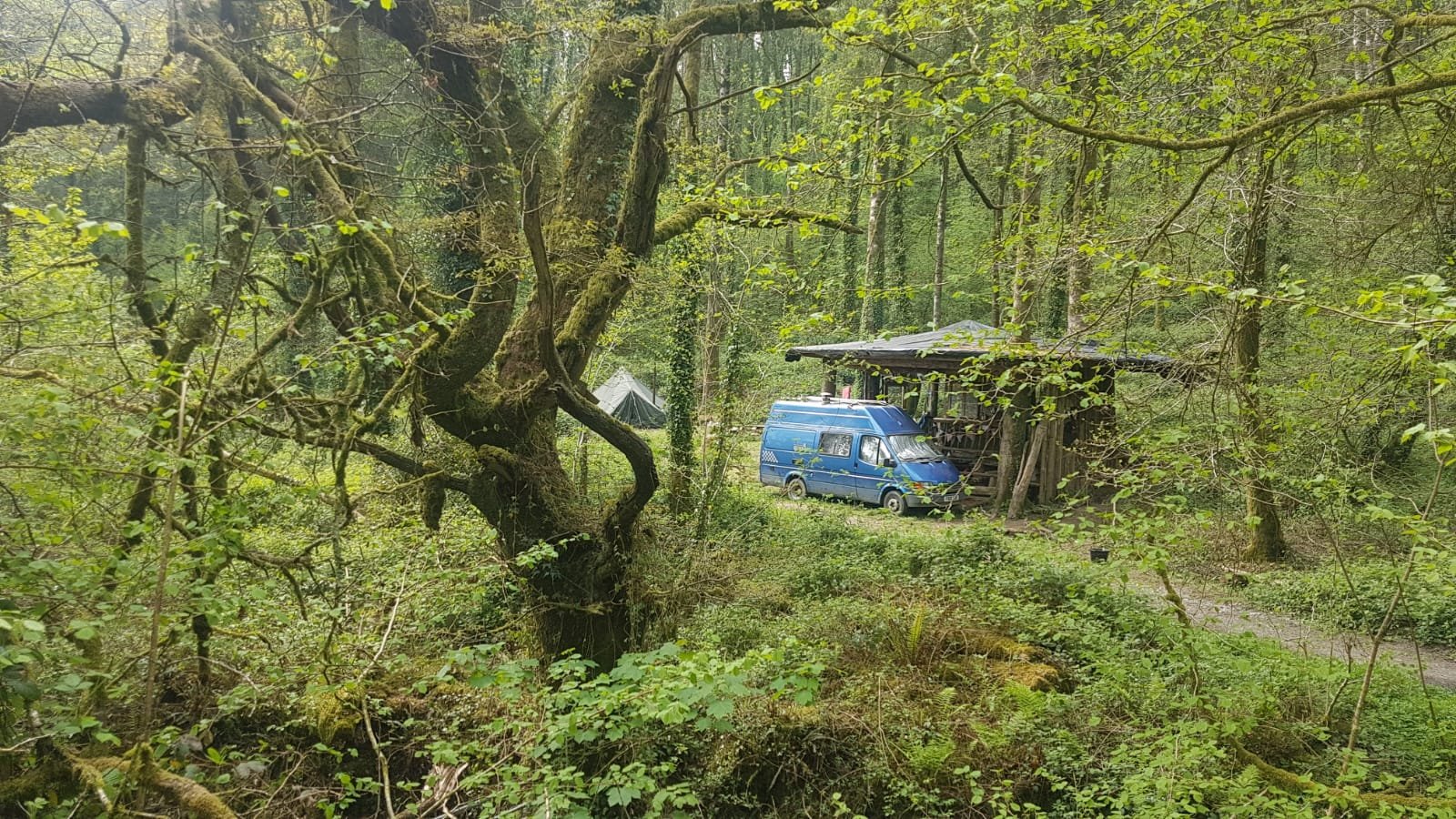
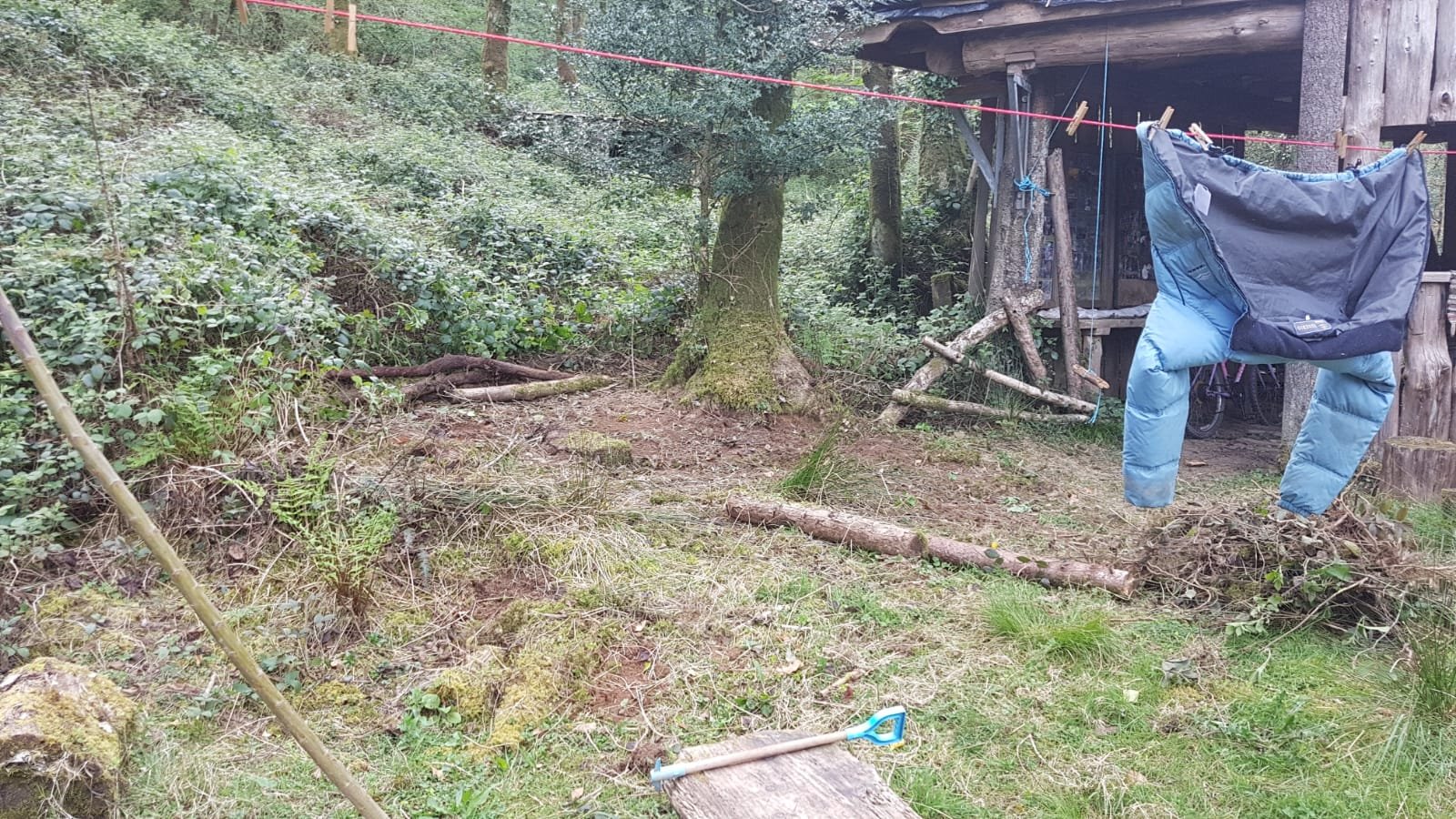
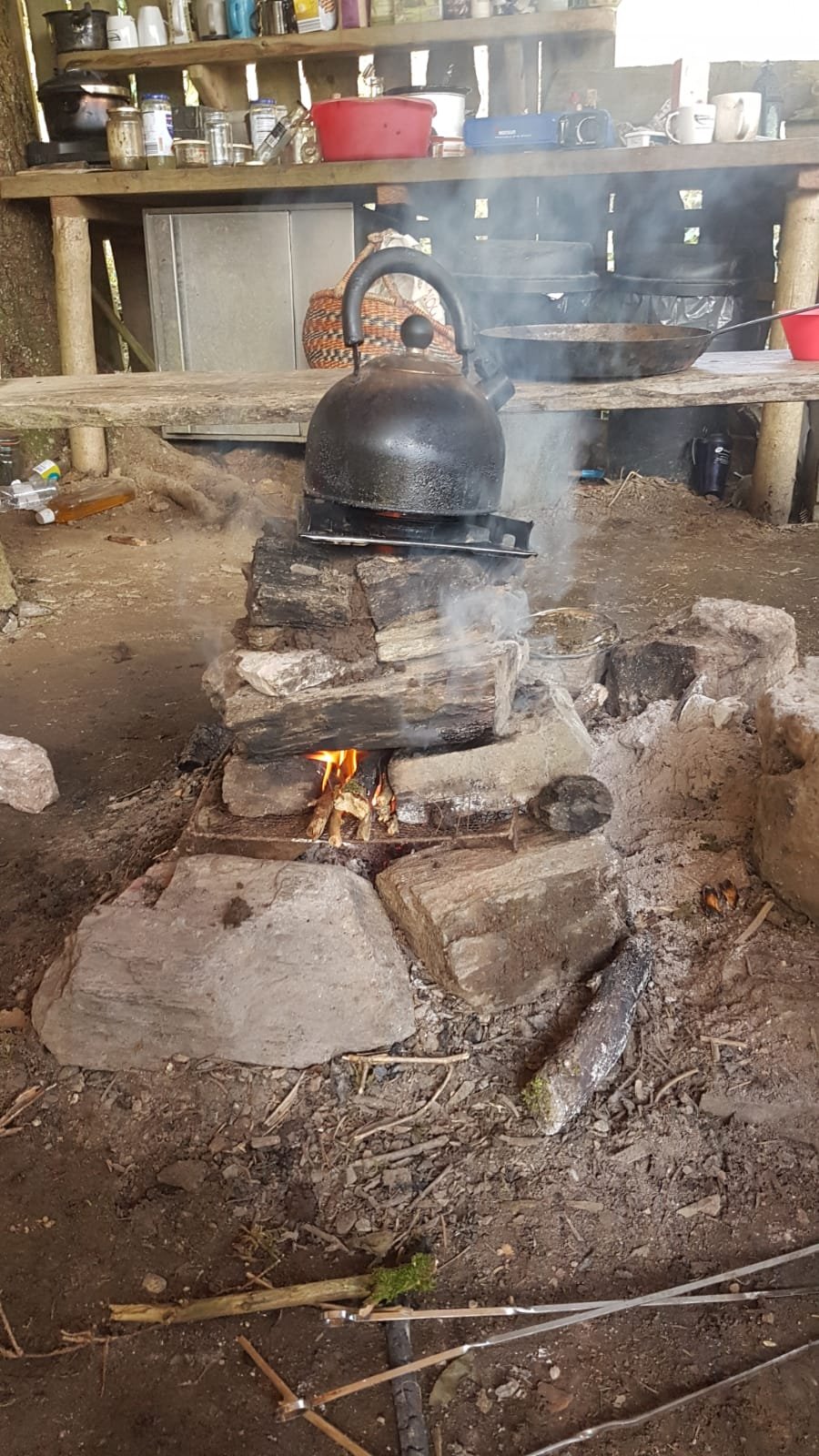
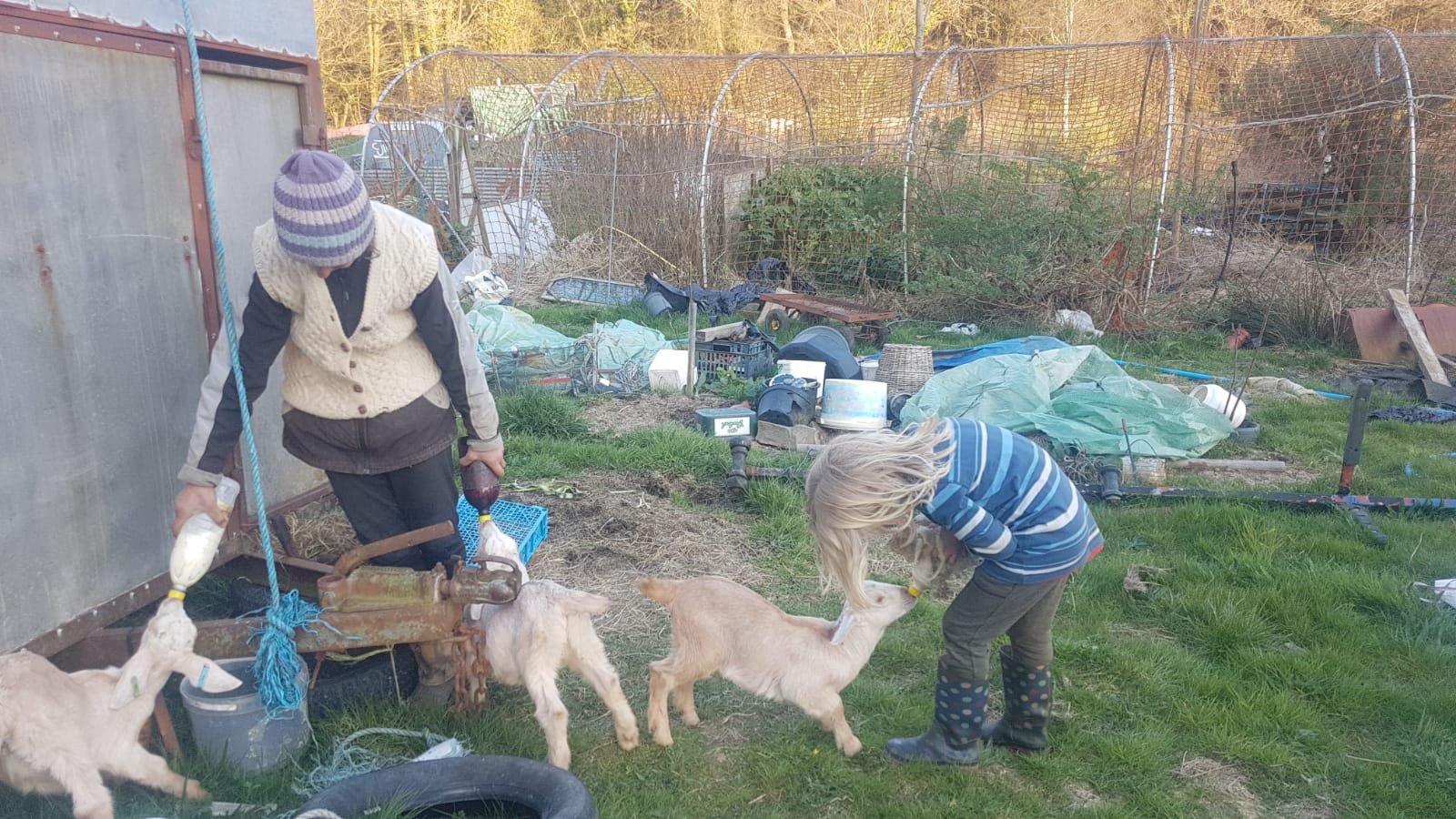
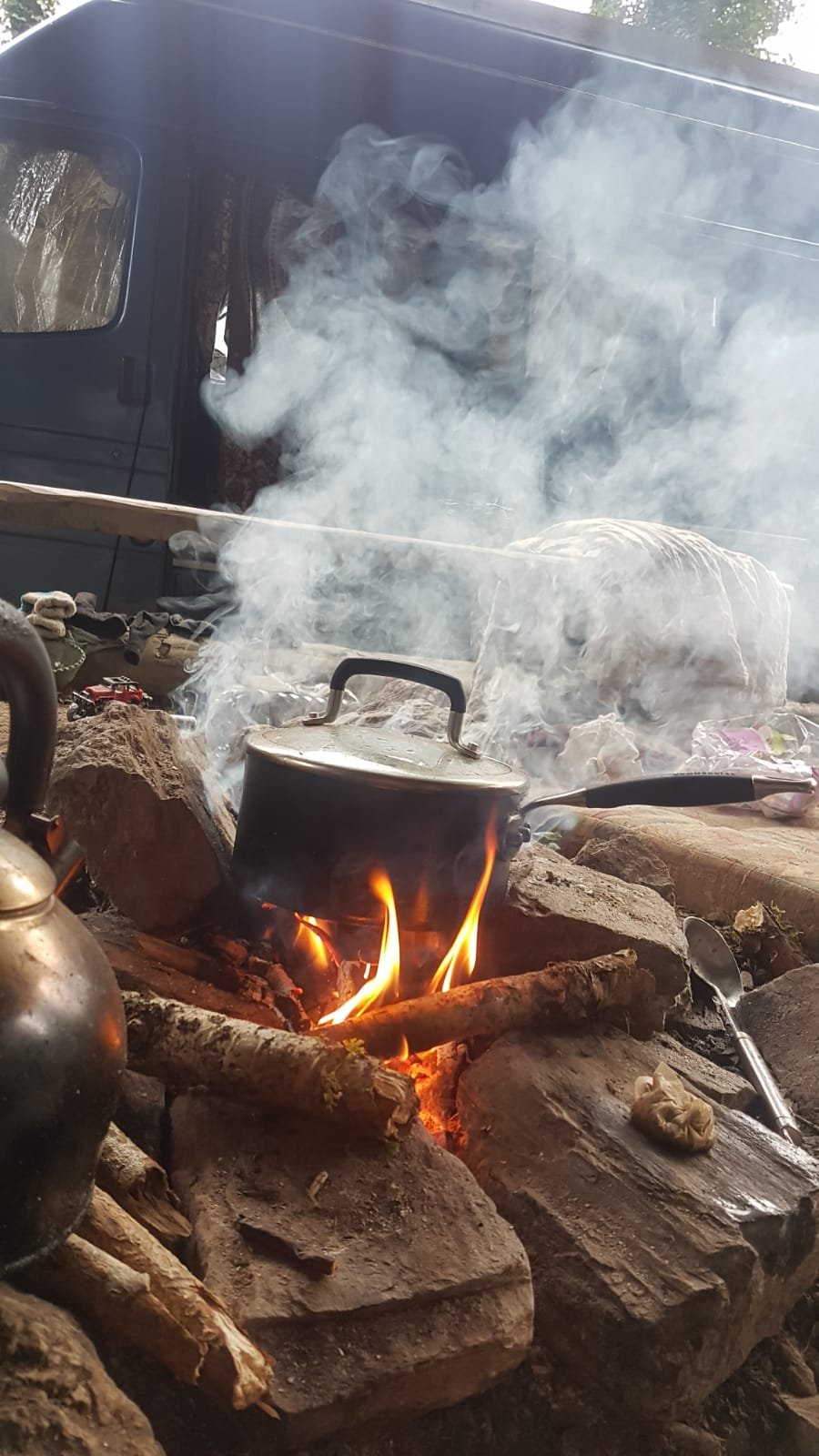
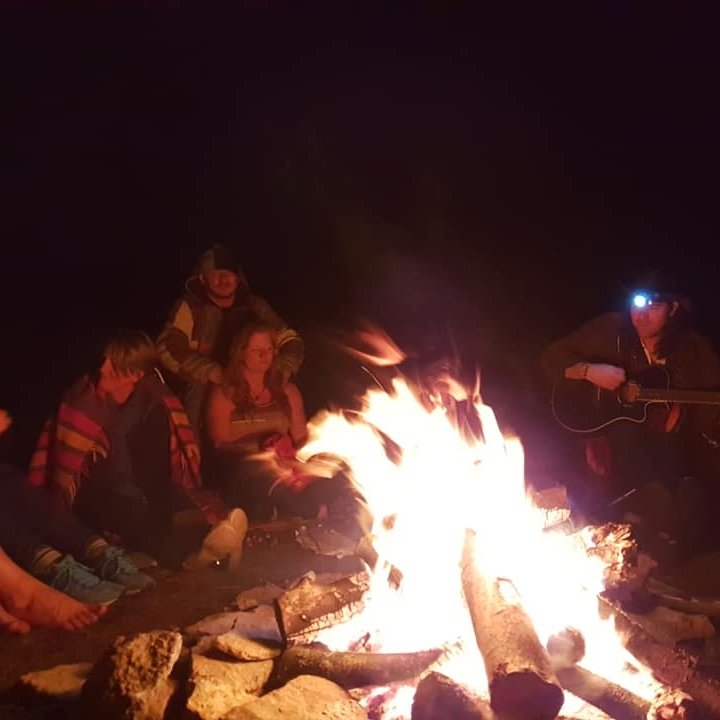
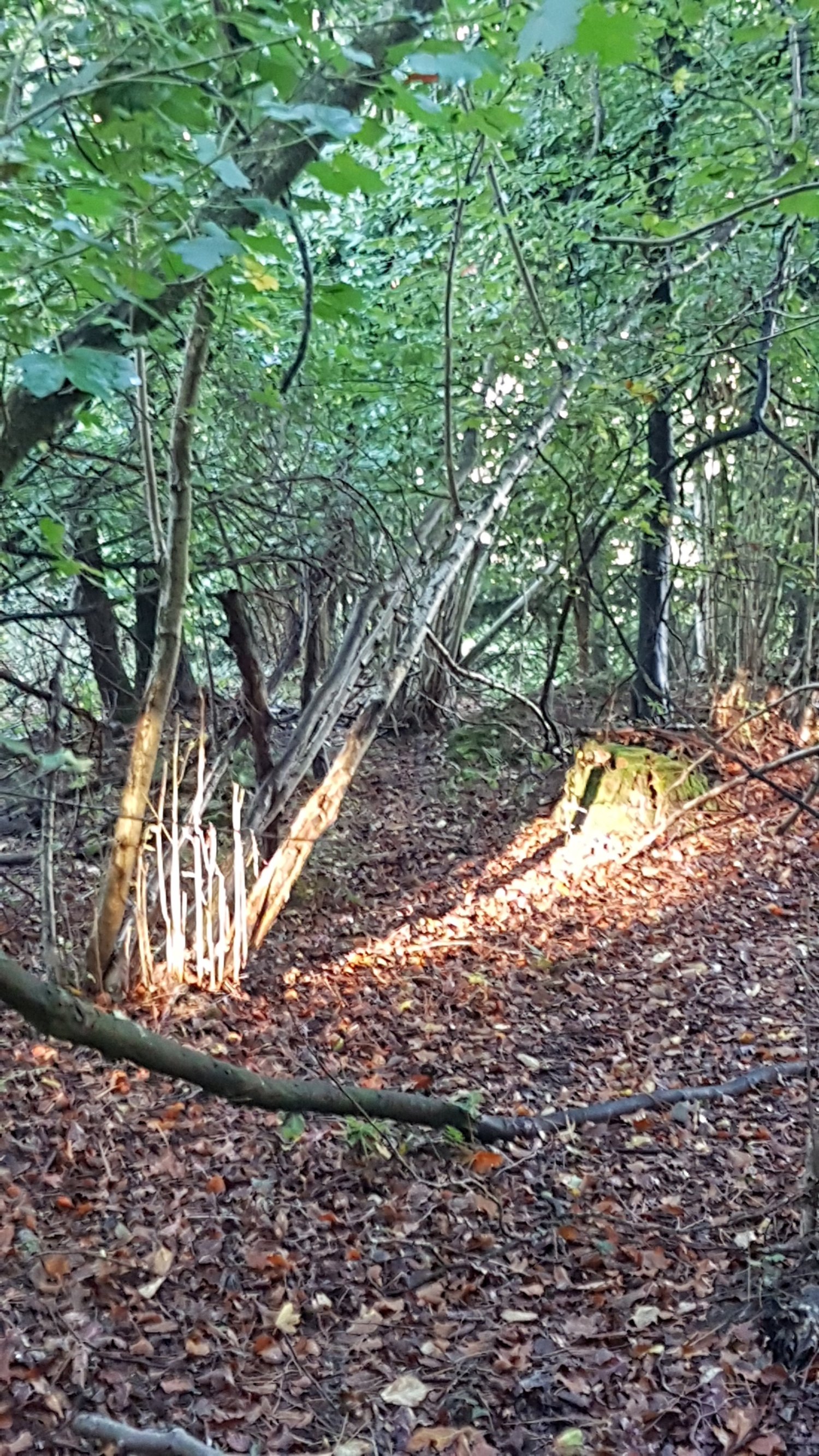
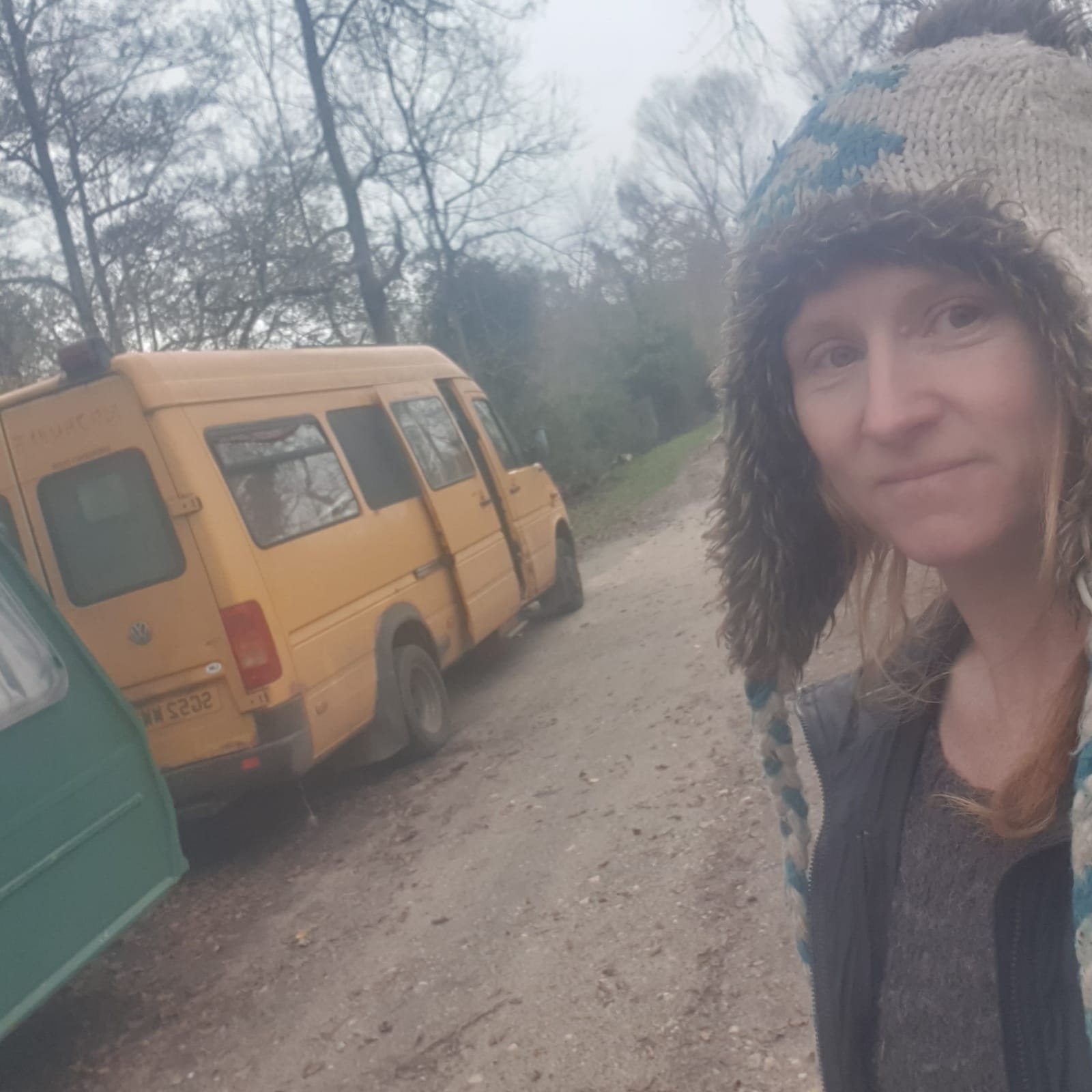
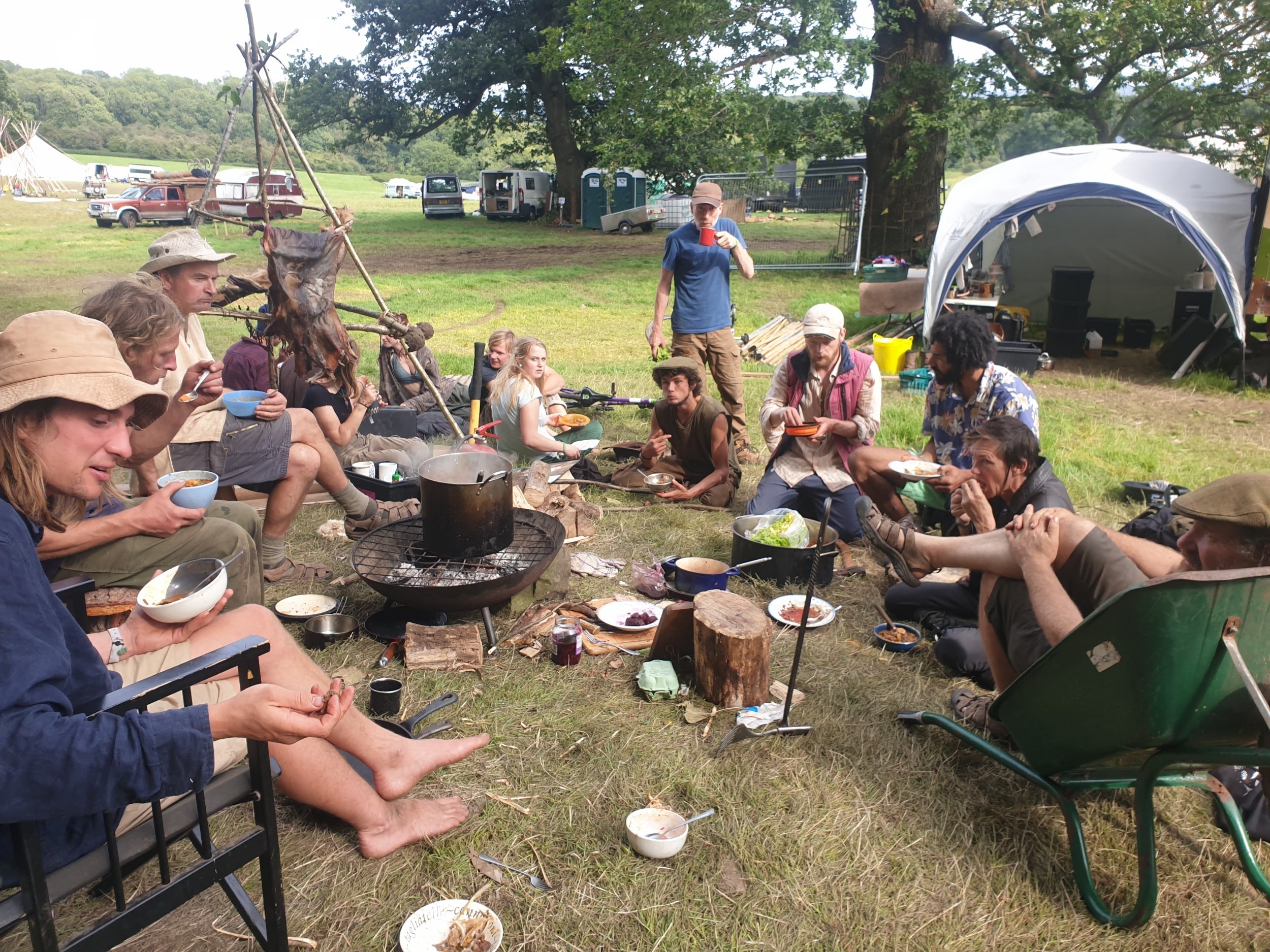
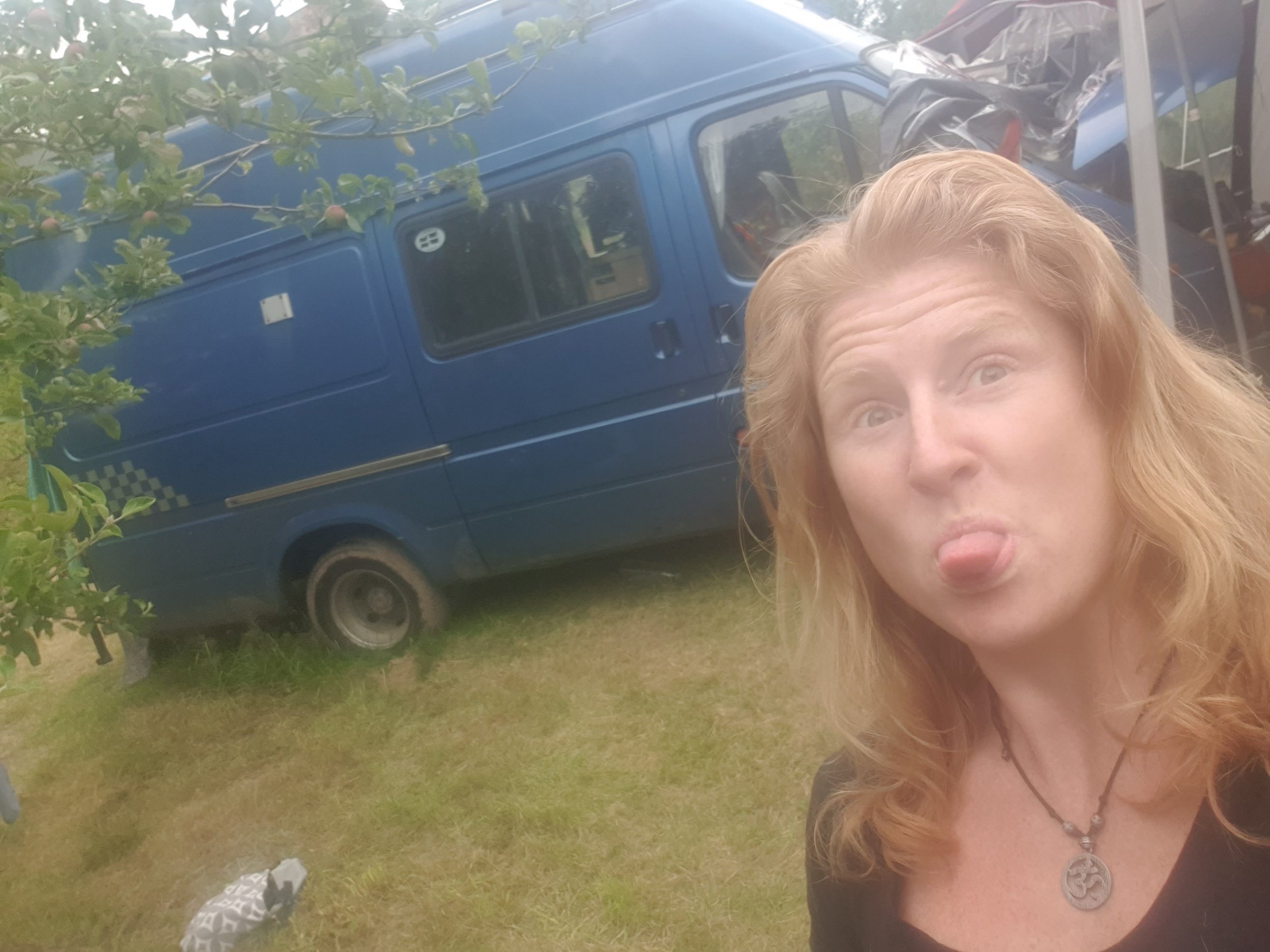
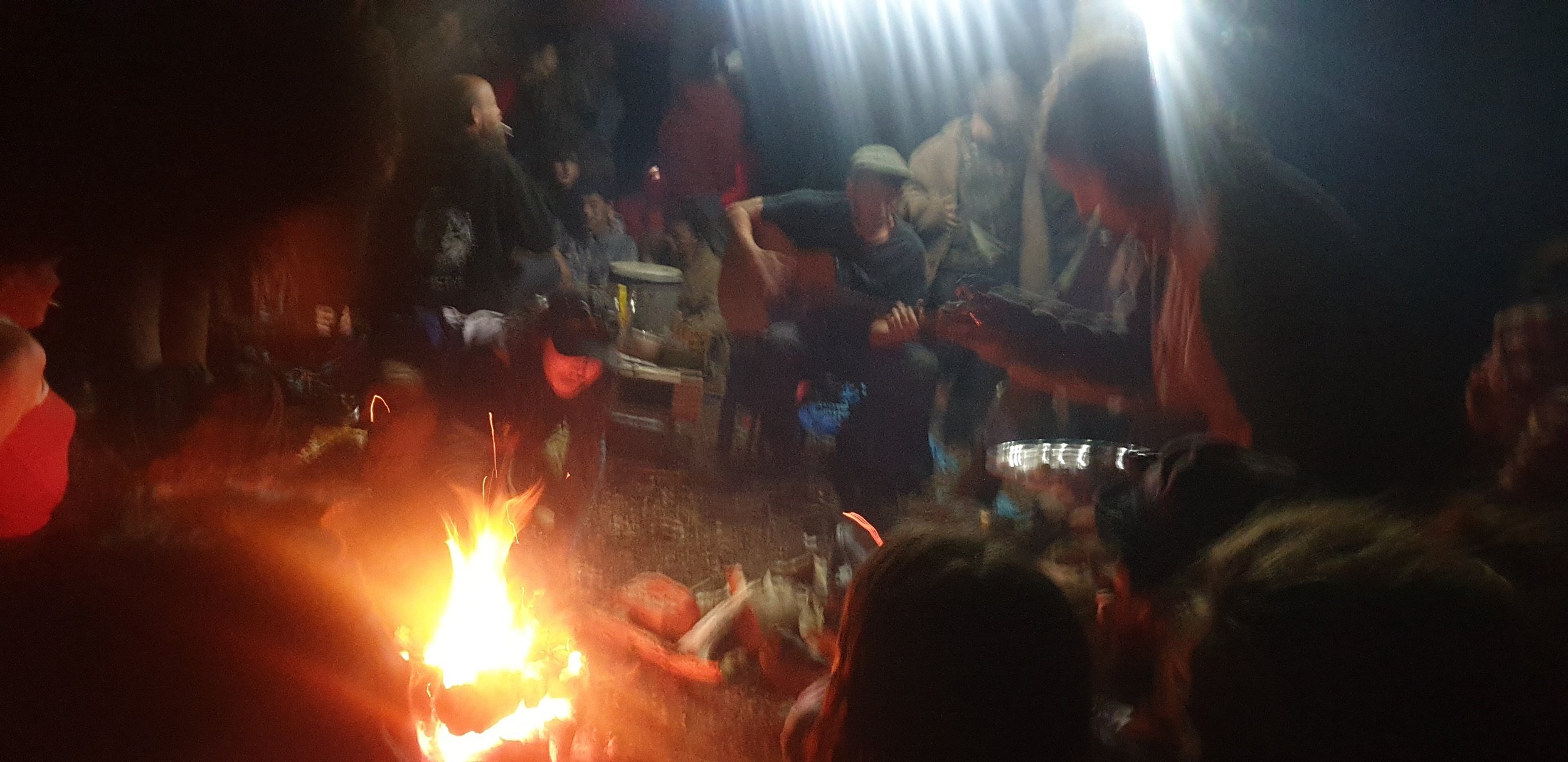
I’ve lived in and alongside intentional and unintentional communities: off-grid, in benders, caravans and woodland camps; in temporary settlements and festival pop-ups; in places held together by shared purpose rather than permanence.
I’ve spent time within old traveller circles and newer waves of people searching for alternatives
— watching the rise of van life, land-based living, and the recurring pull towards self-sufficiency.
Again and again, the same pattern appears: people know in their bones that there is a better way to live
— closer to land, to each other, to meaning
— but are often left trying to carry it alone.
One person. One family. One small group burning out under the weight of doing everything themselves.
The lesson is simple, and hard-won: self-sufficiency was never meant to be solitary. We need each other. We need structure.
We need shared systems that can hold people through change, conflict and time.
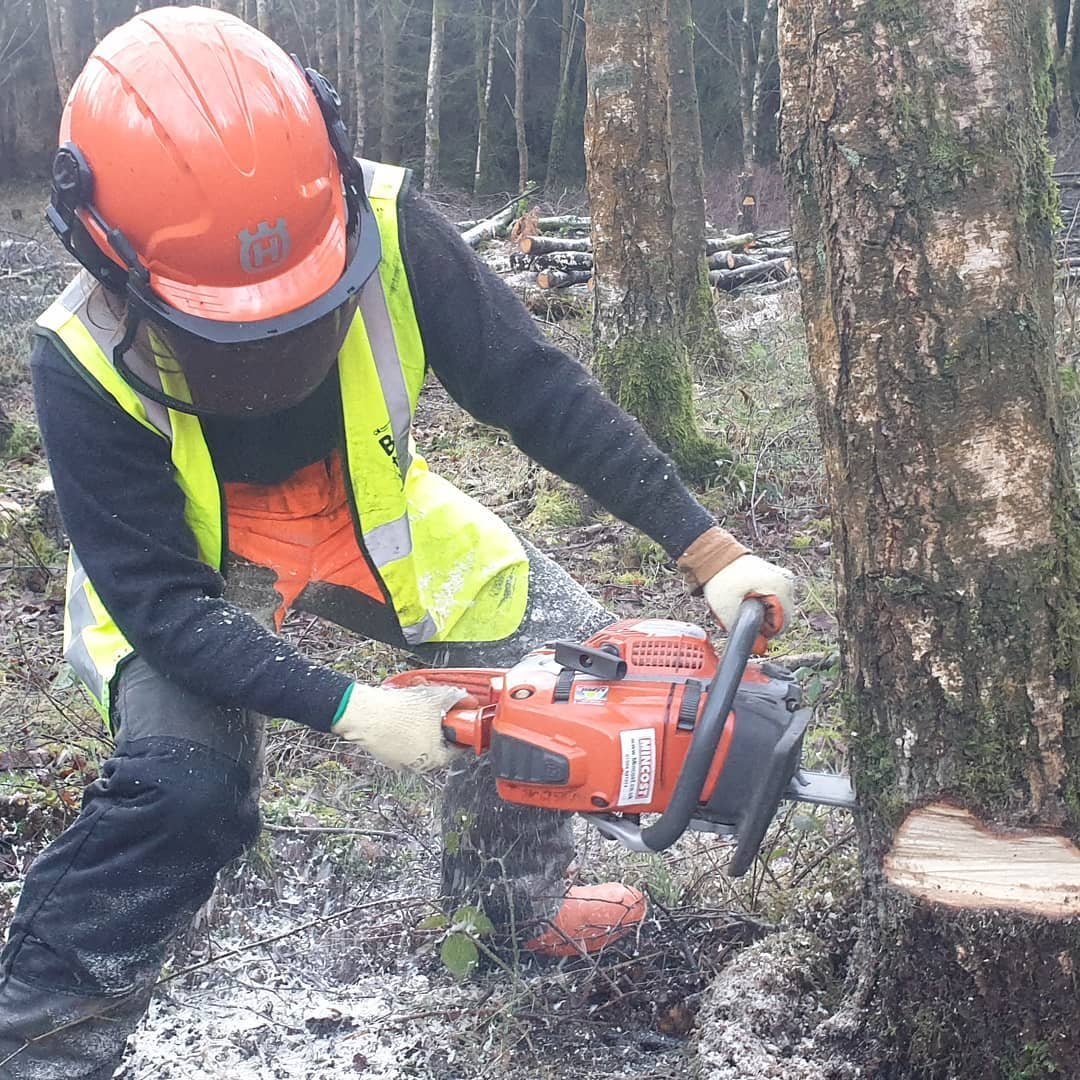

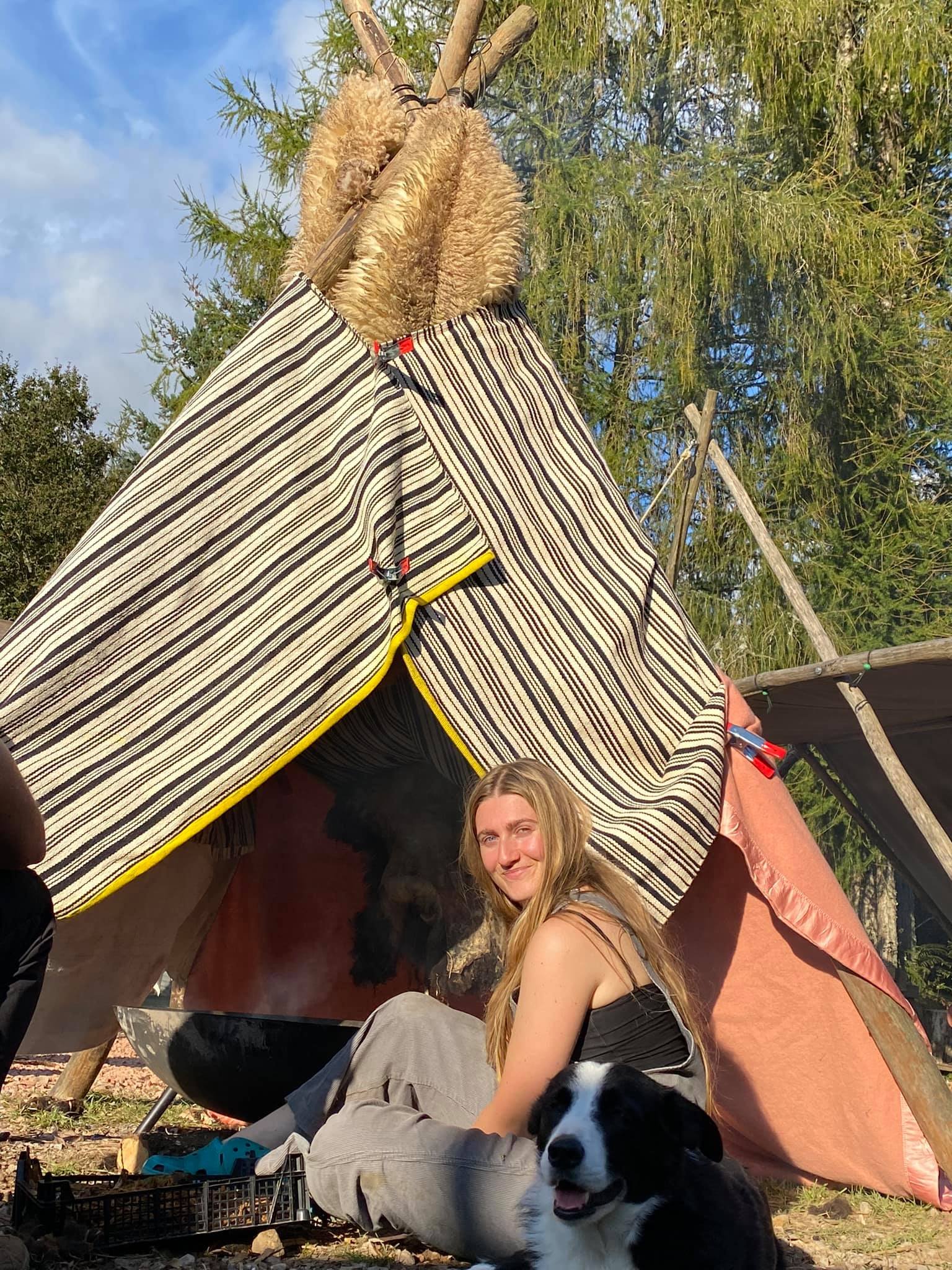
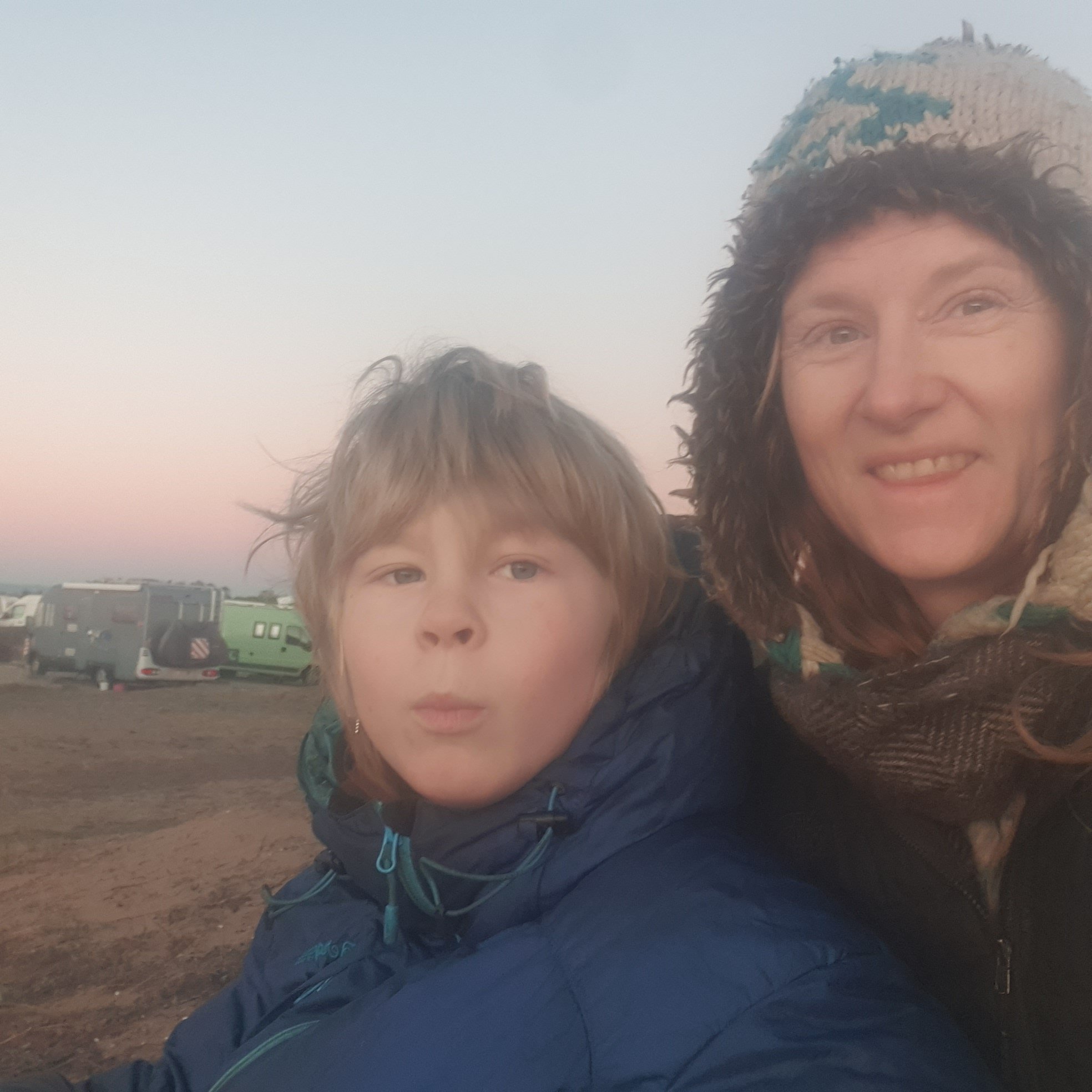
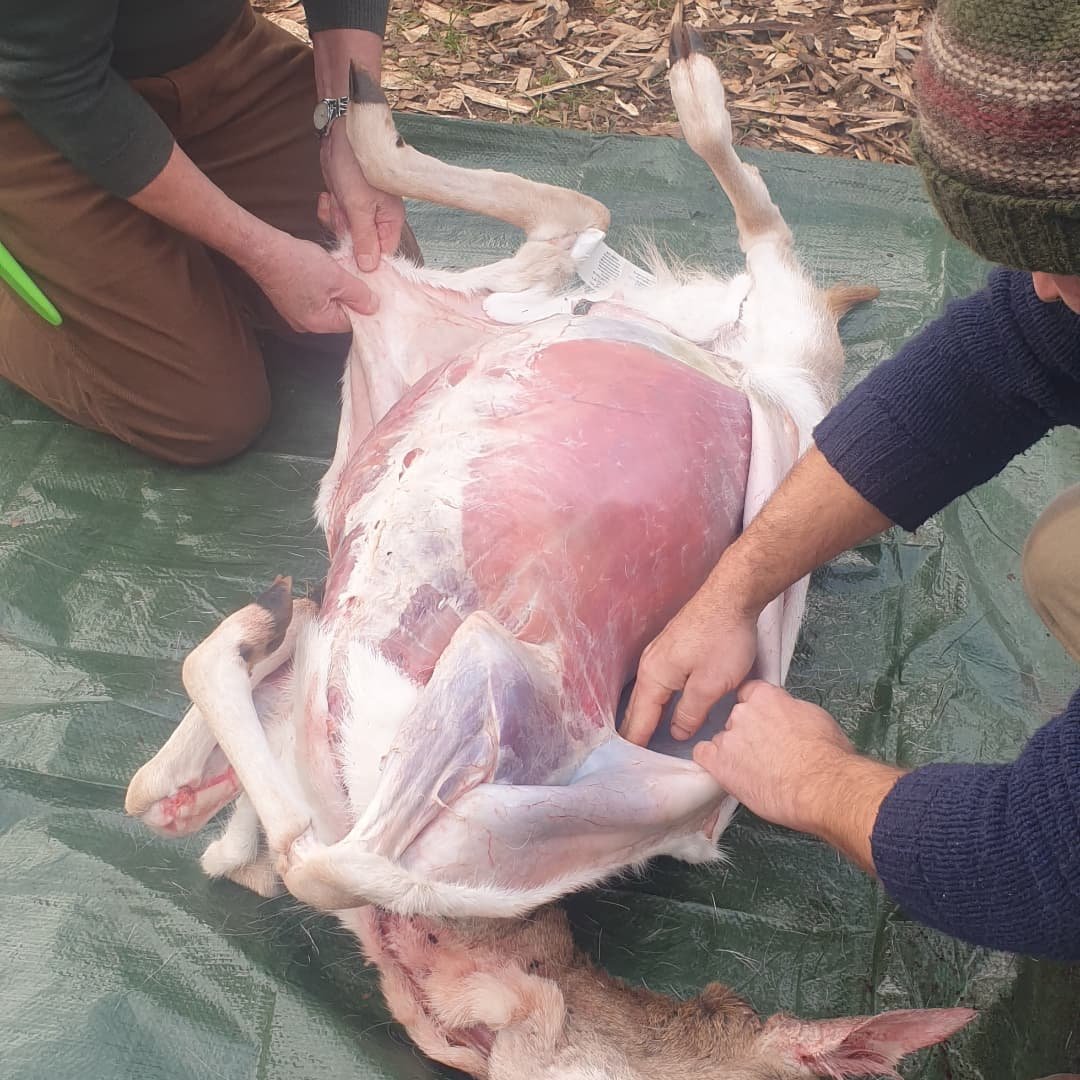
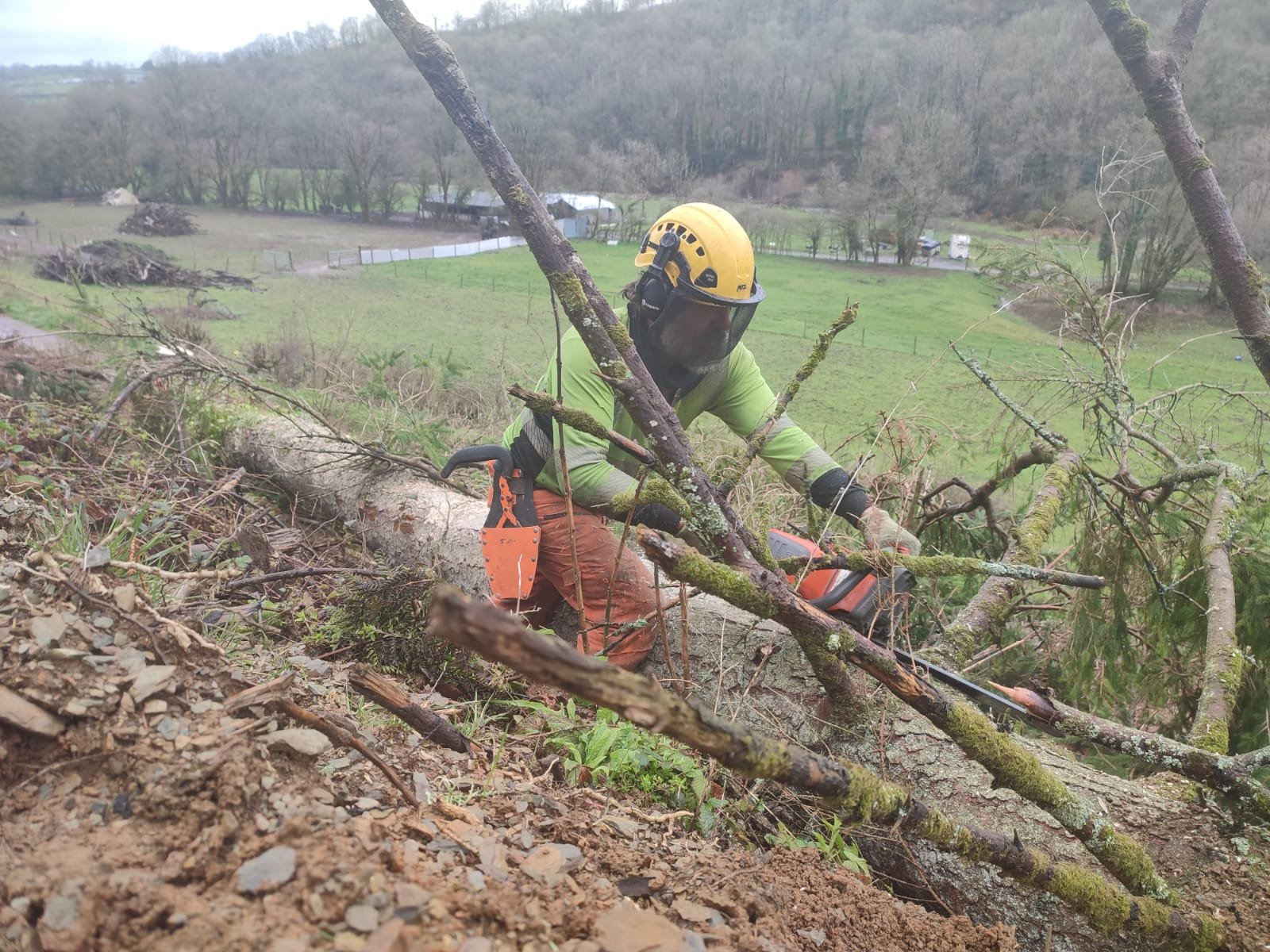
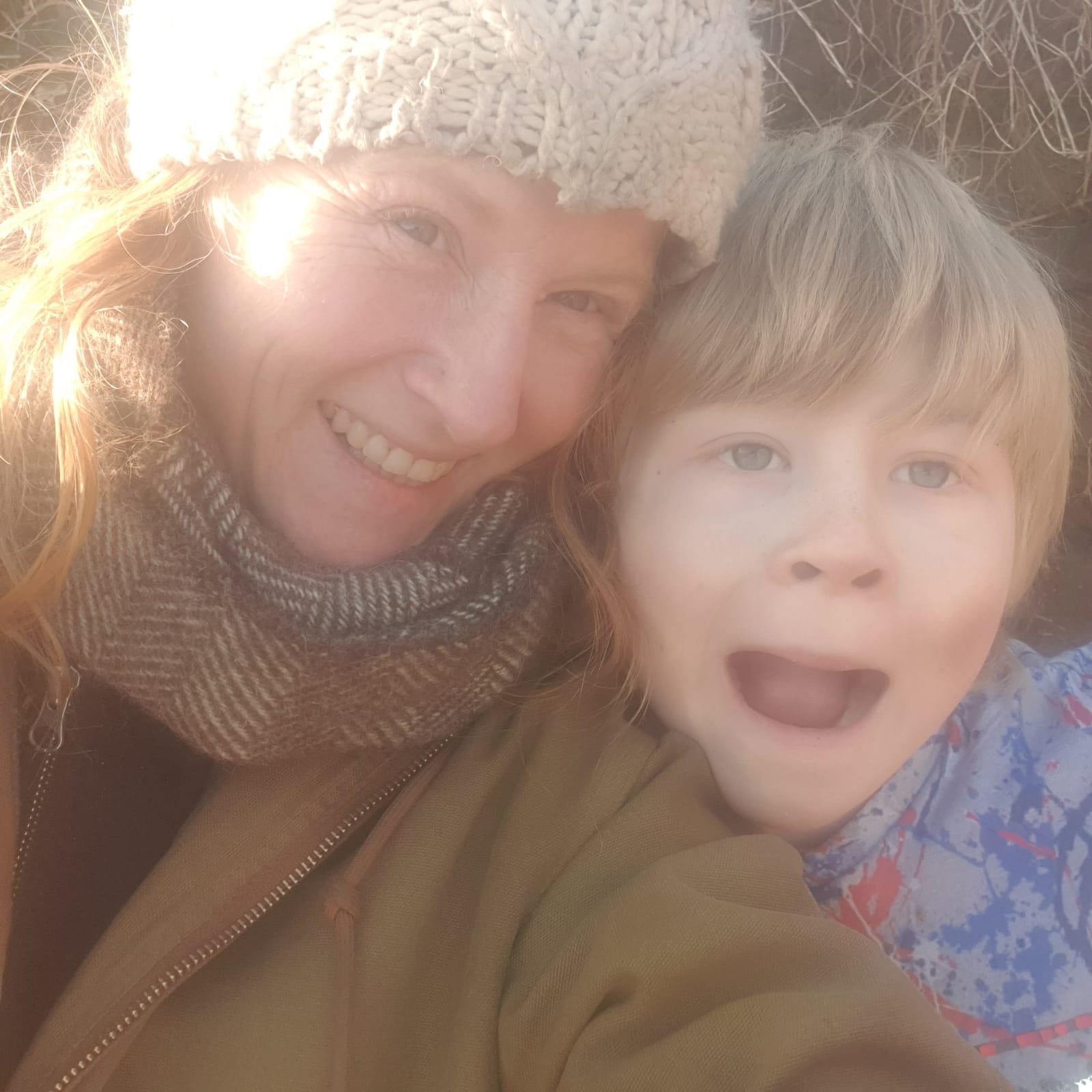

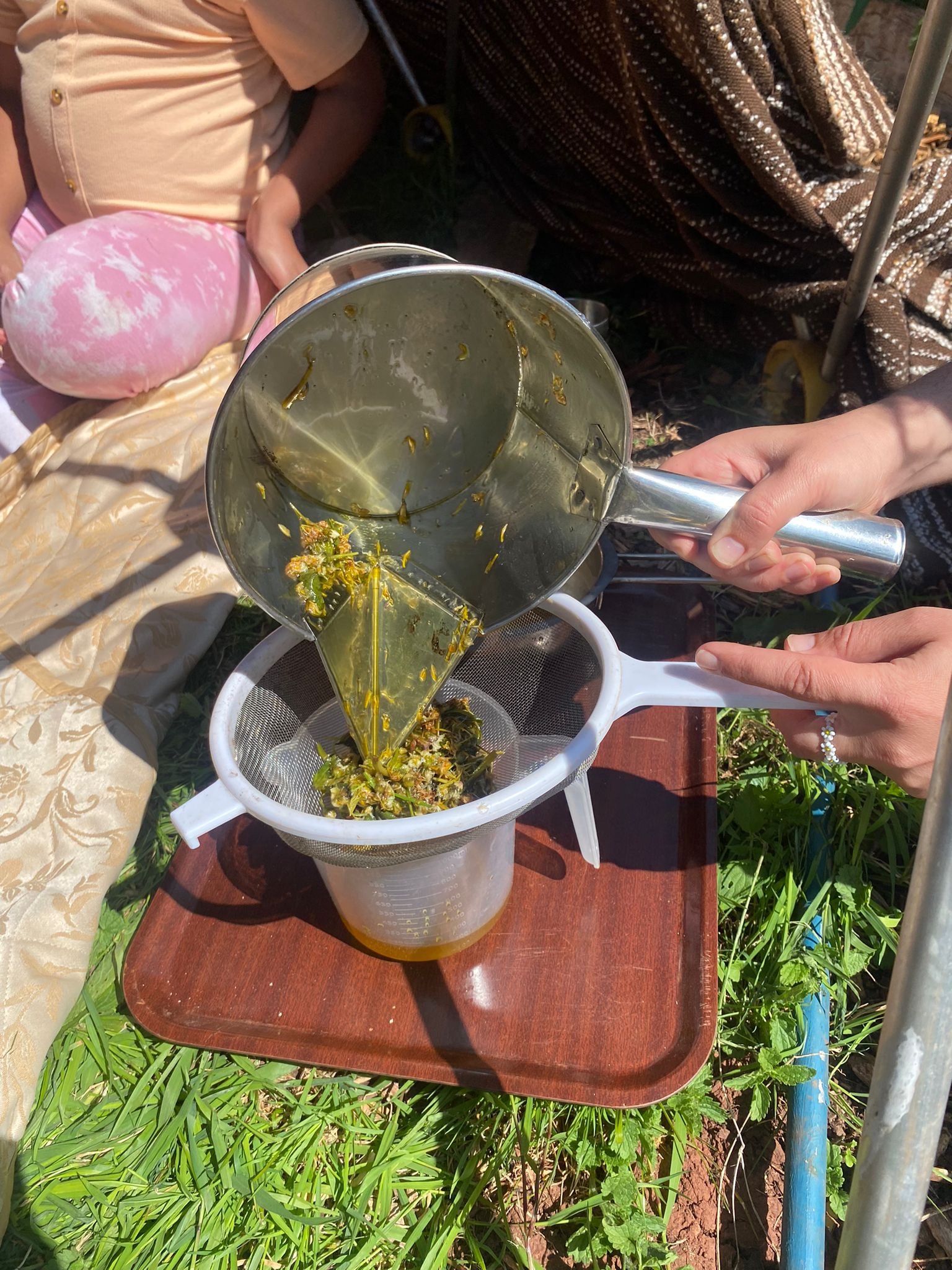
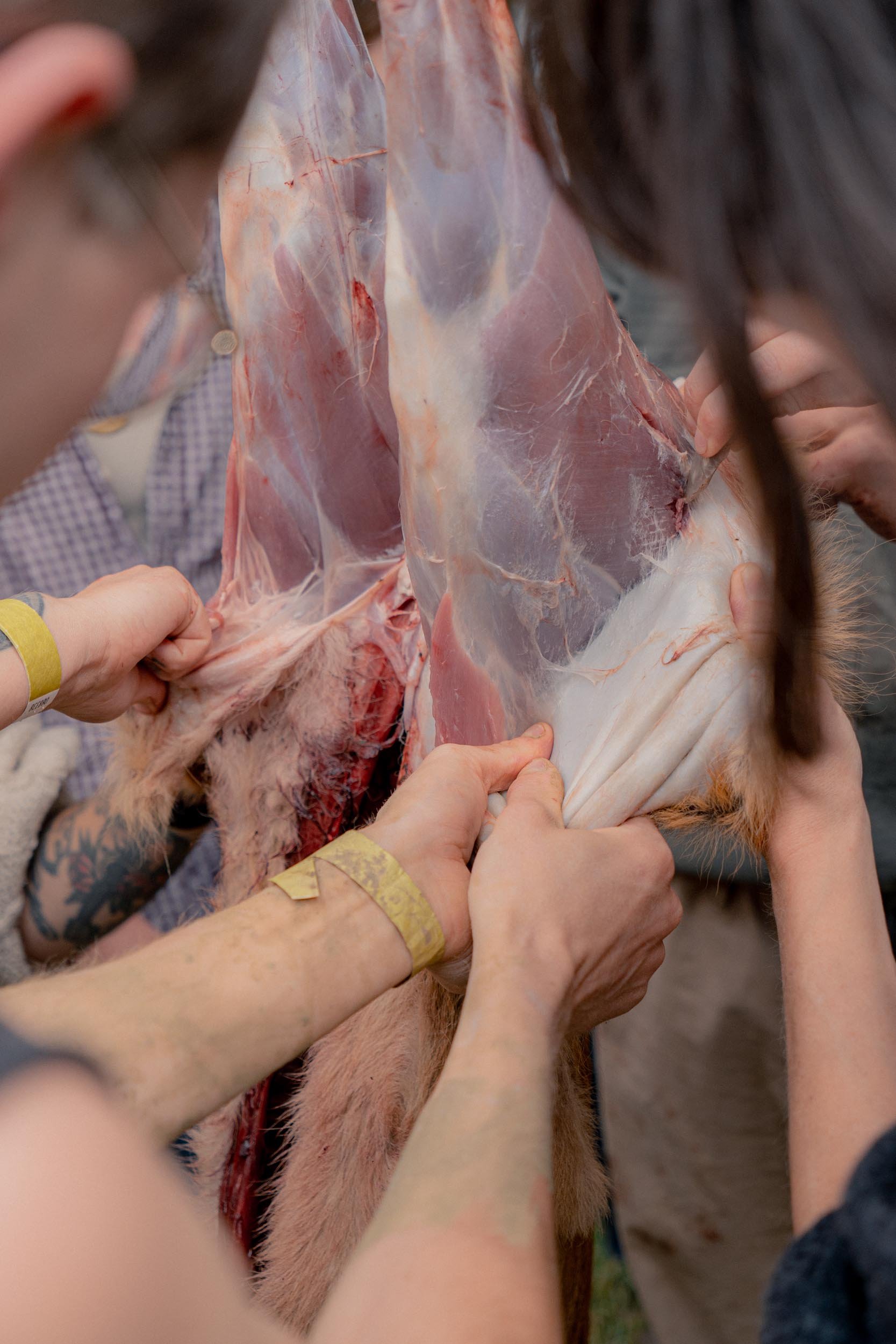
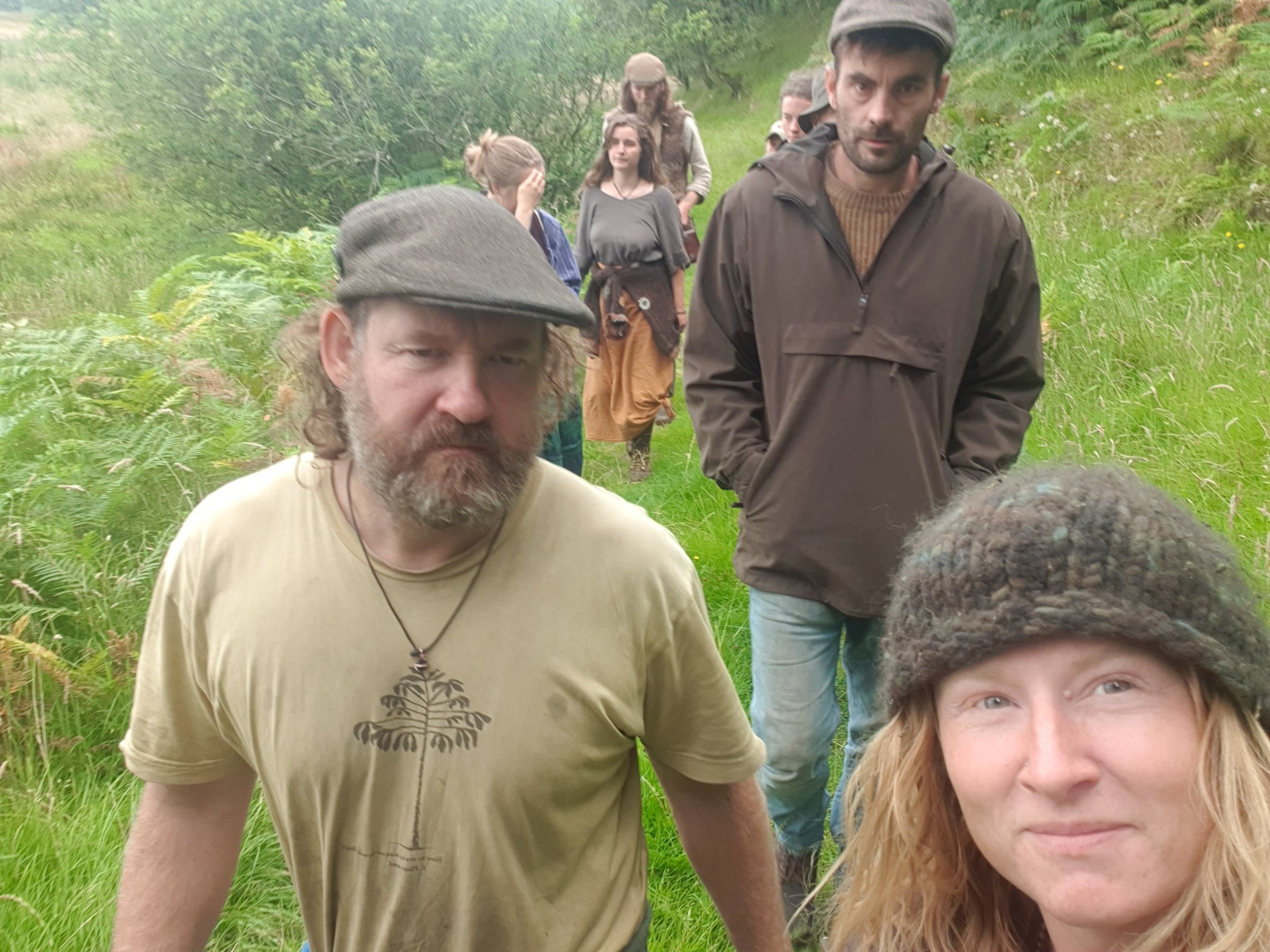

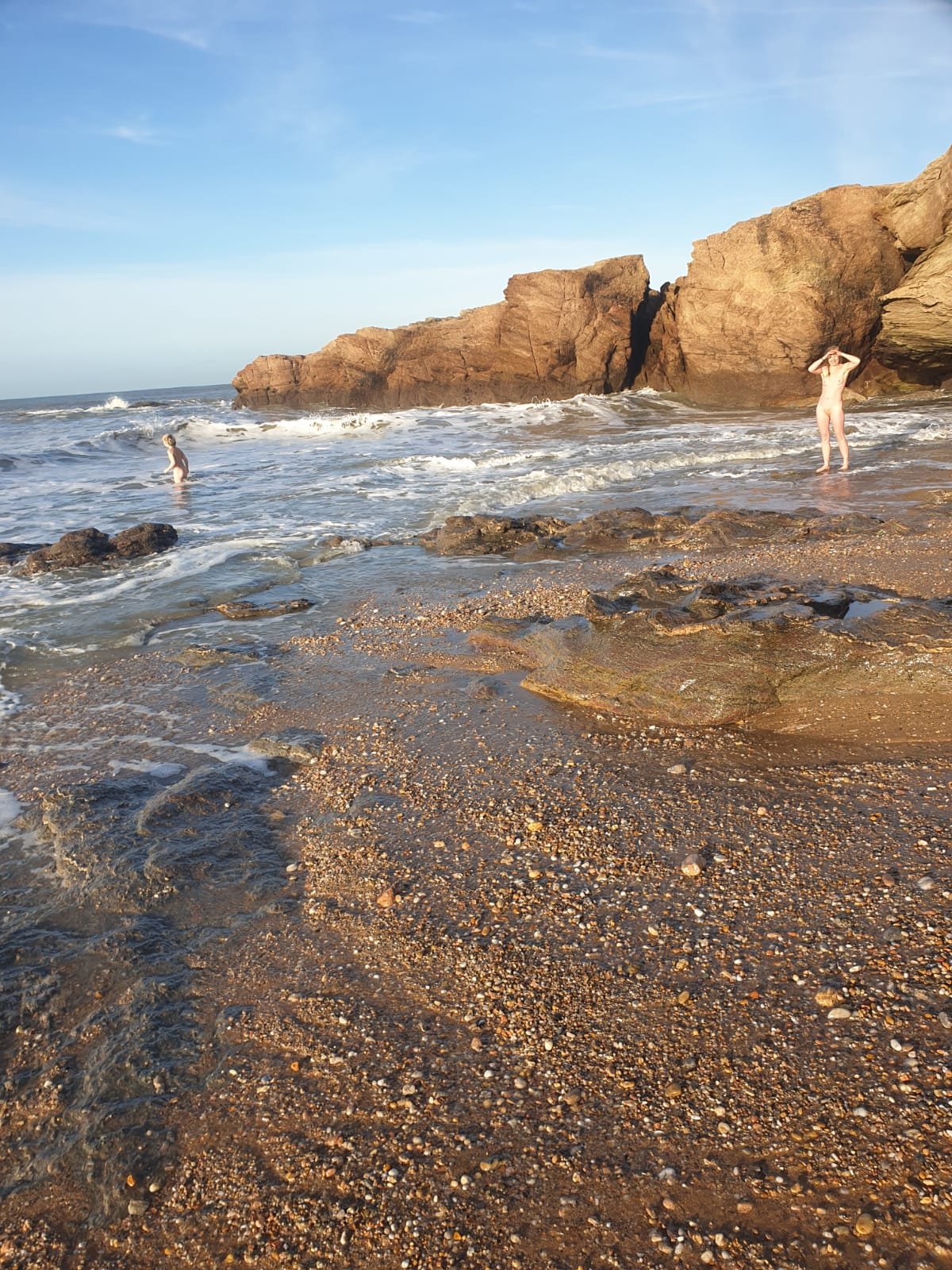
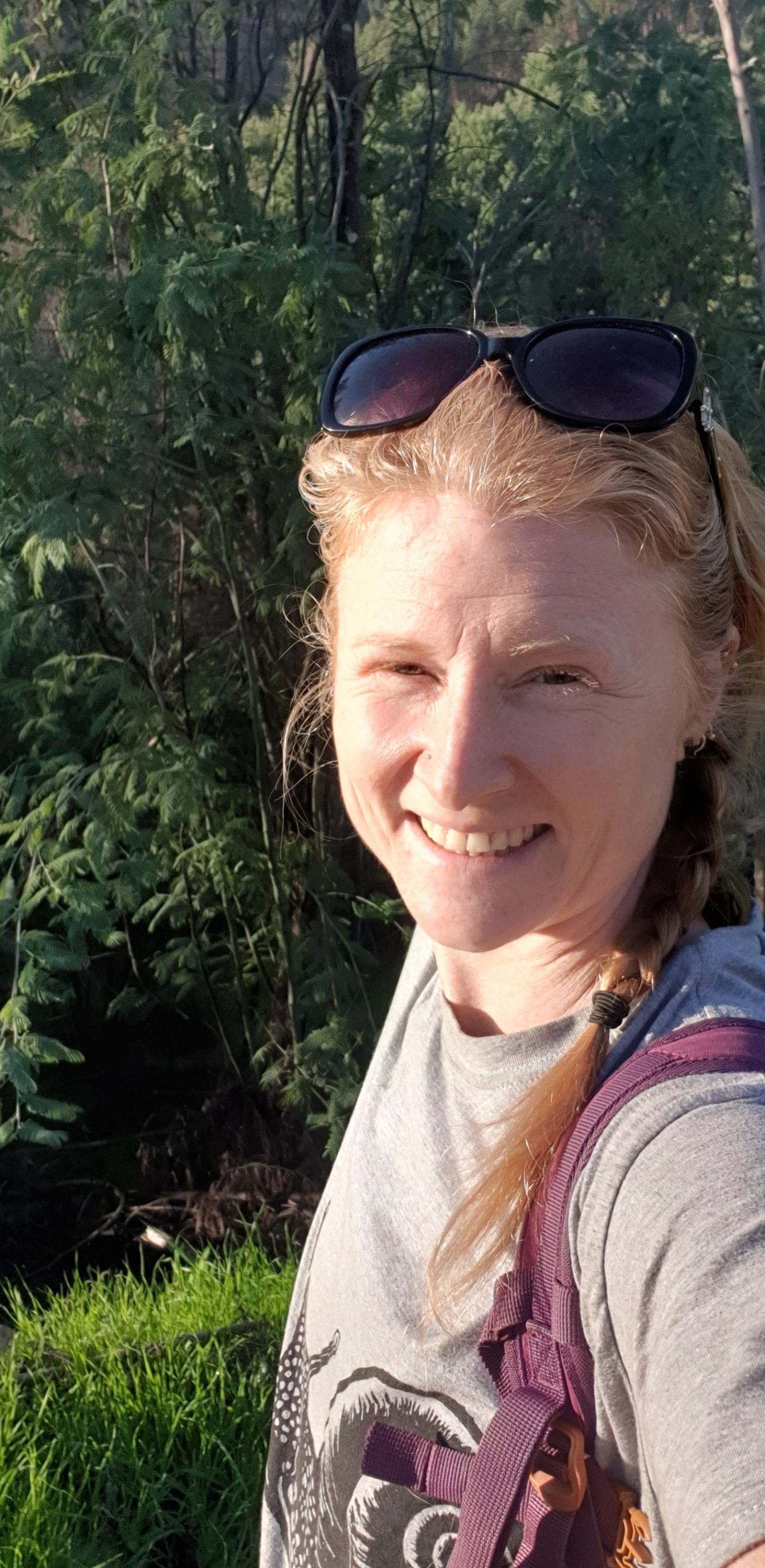
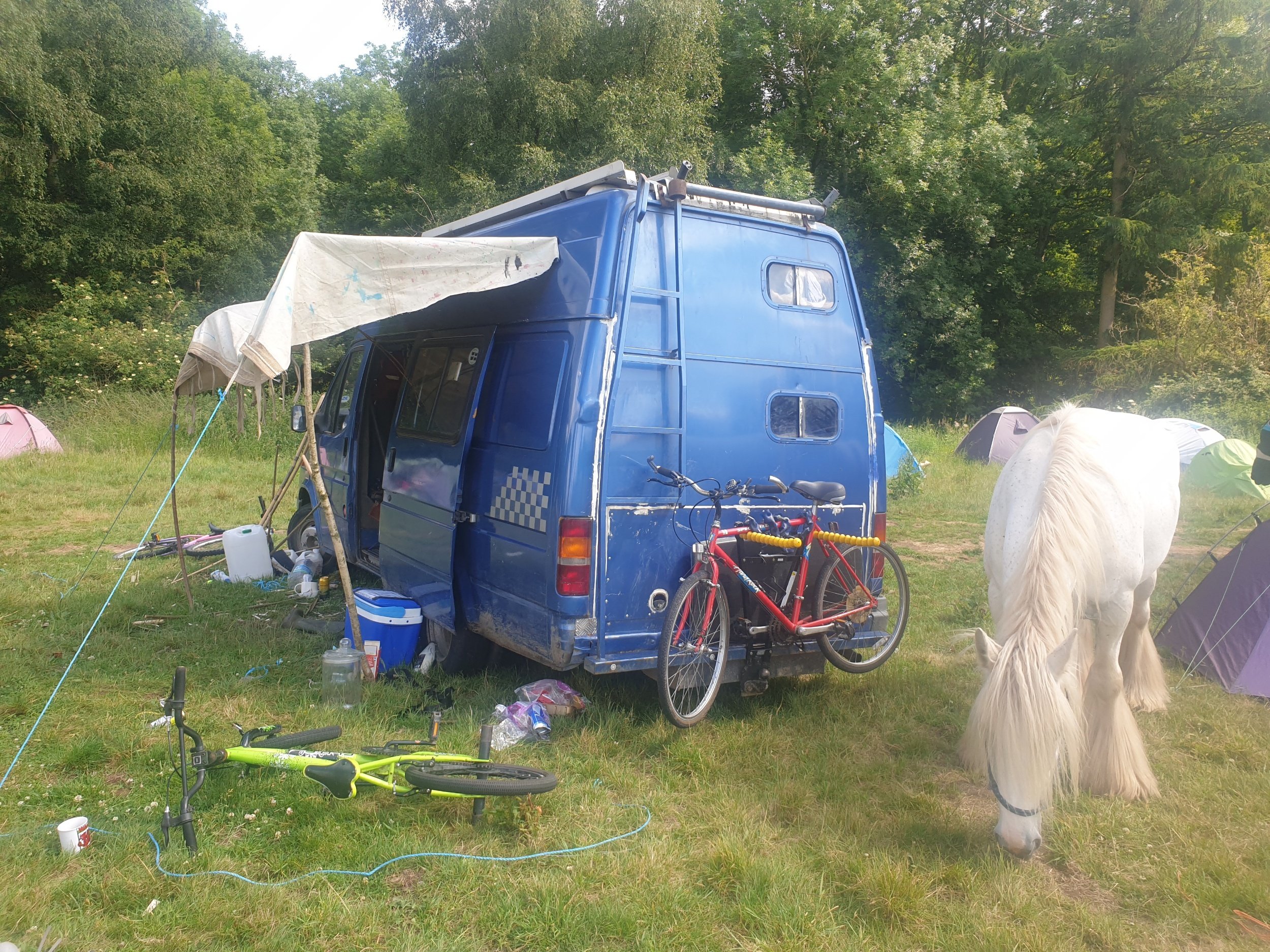
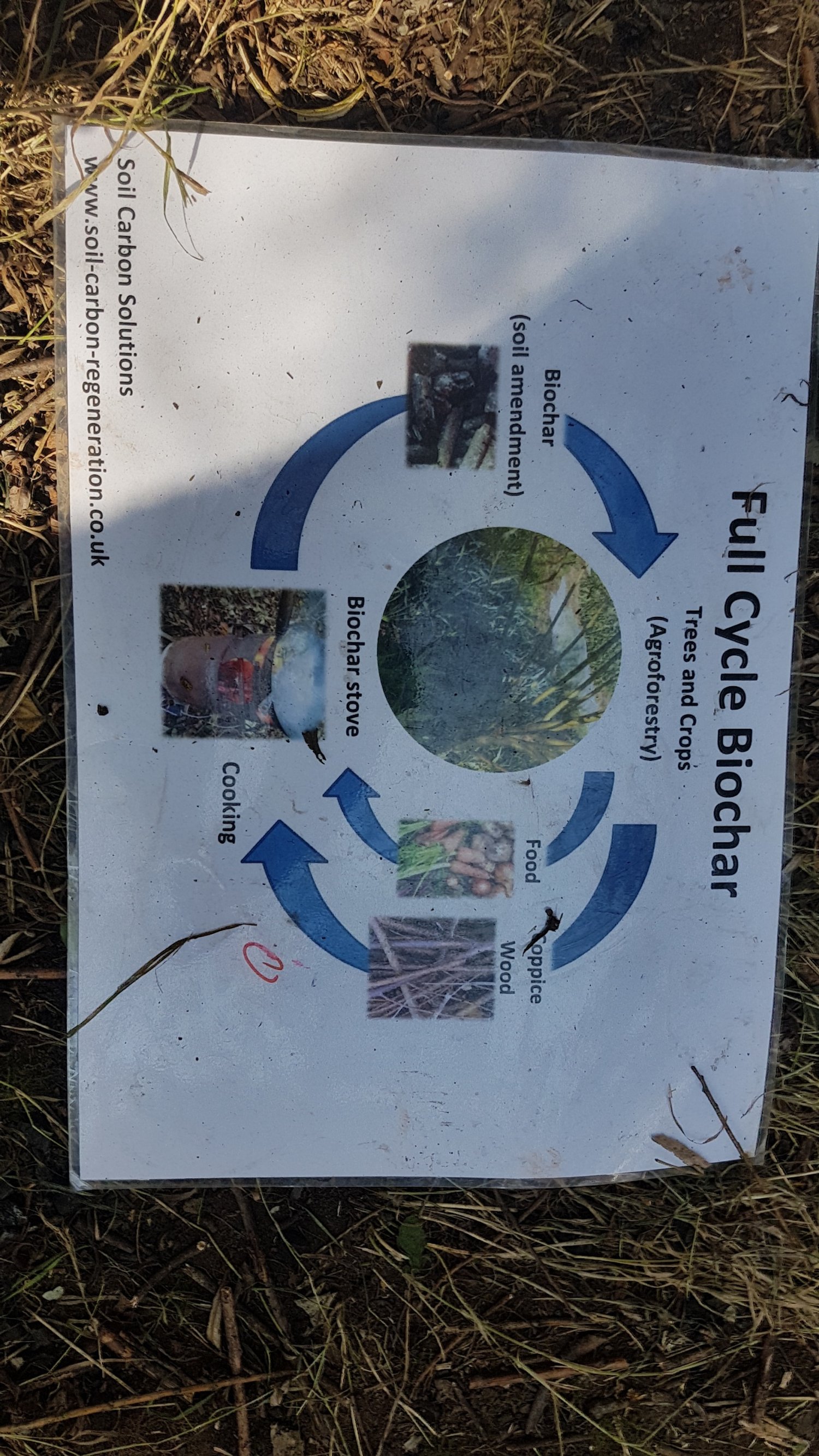
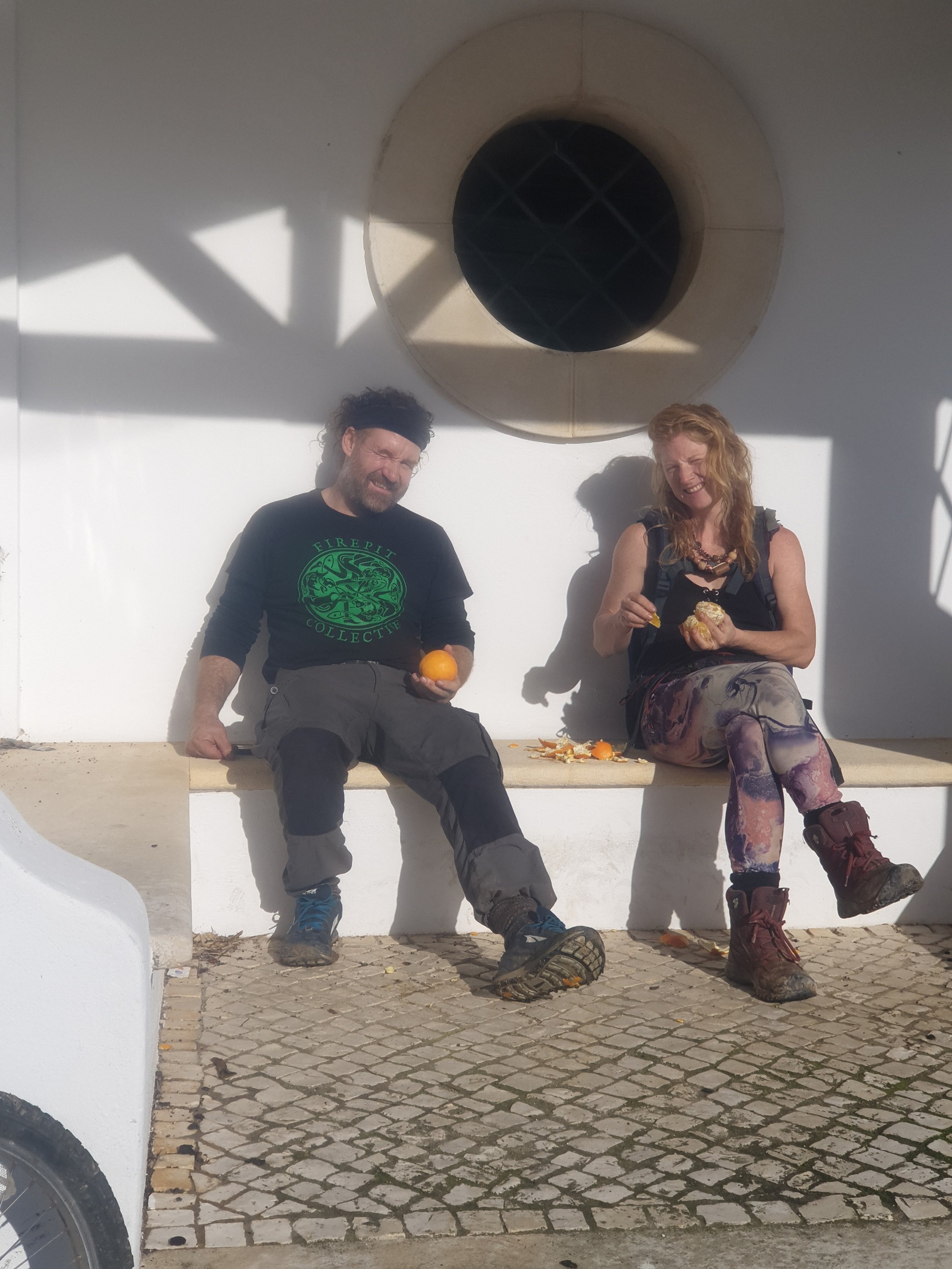
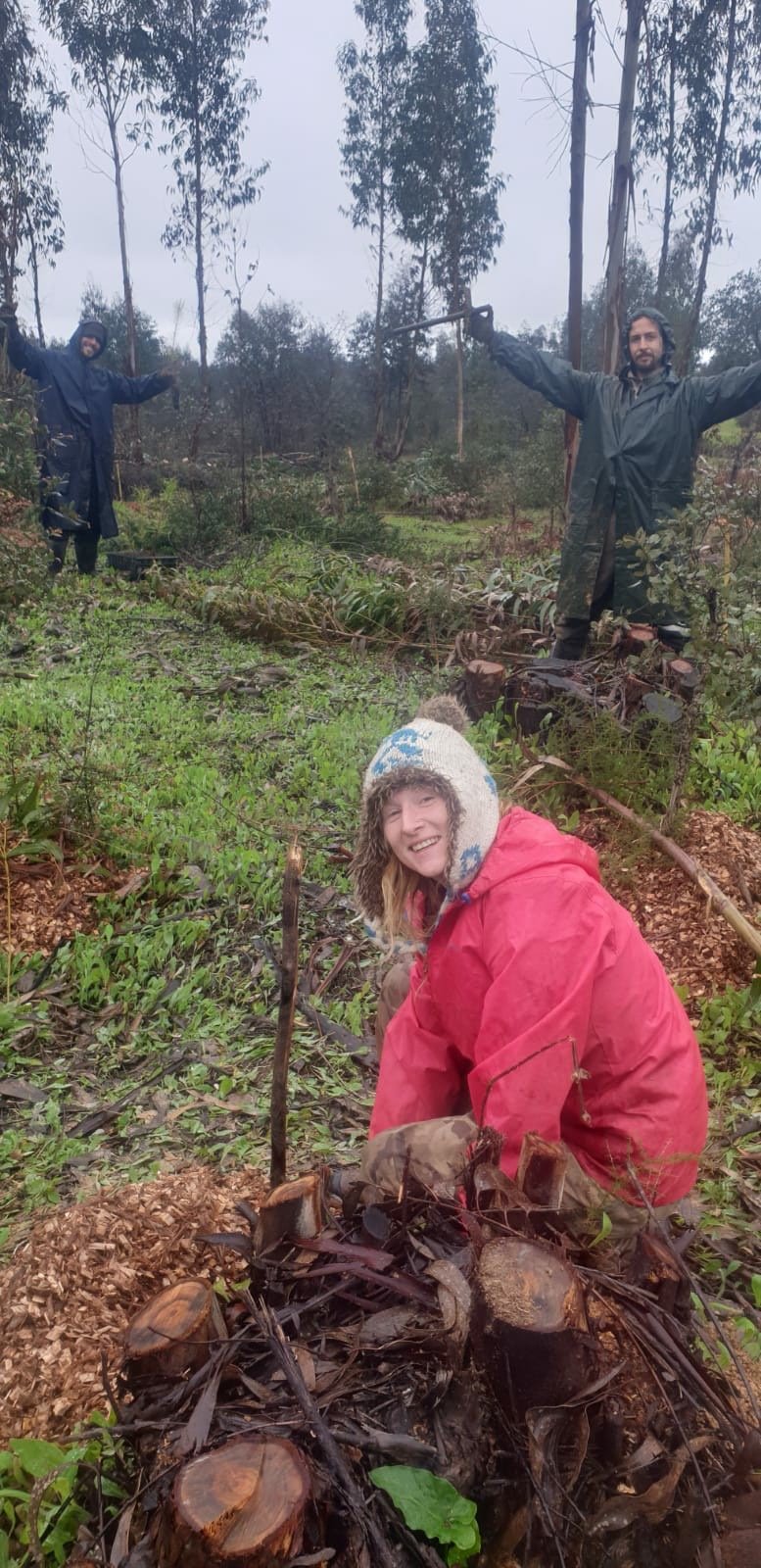
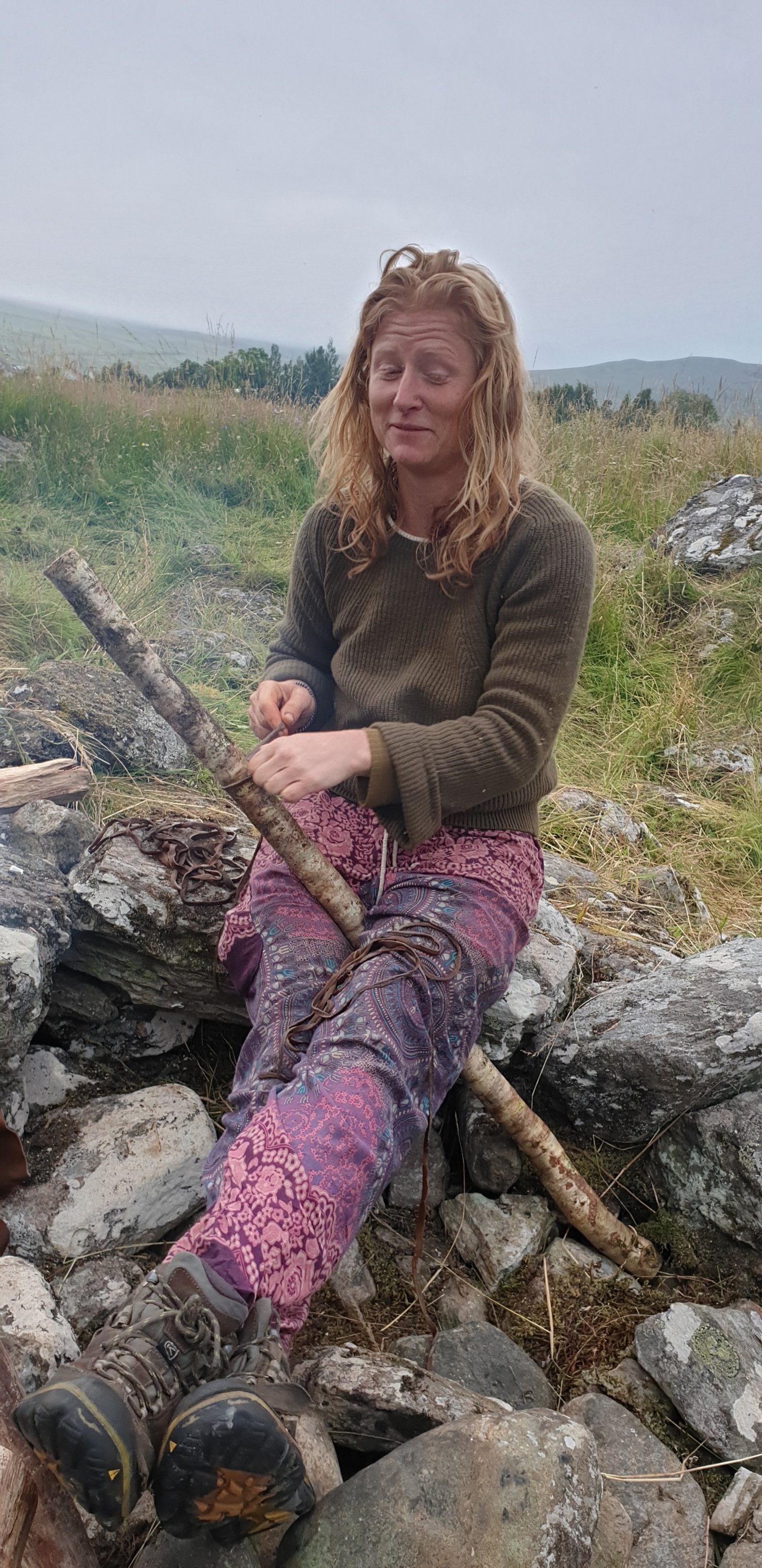
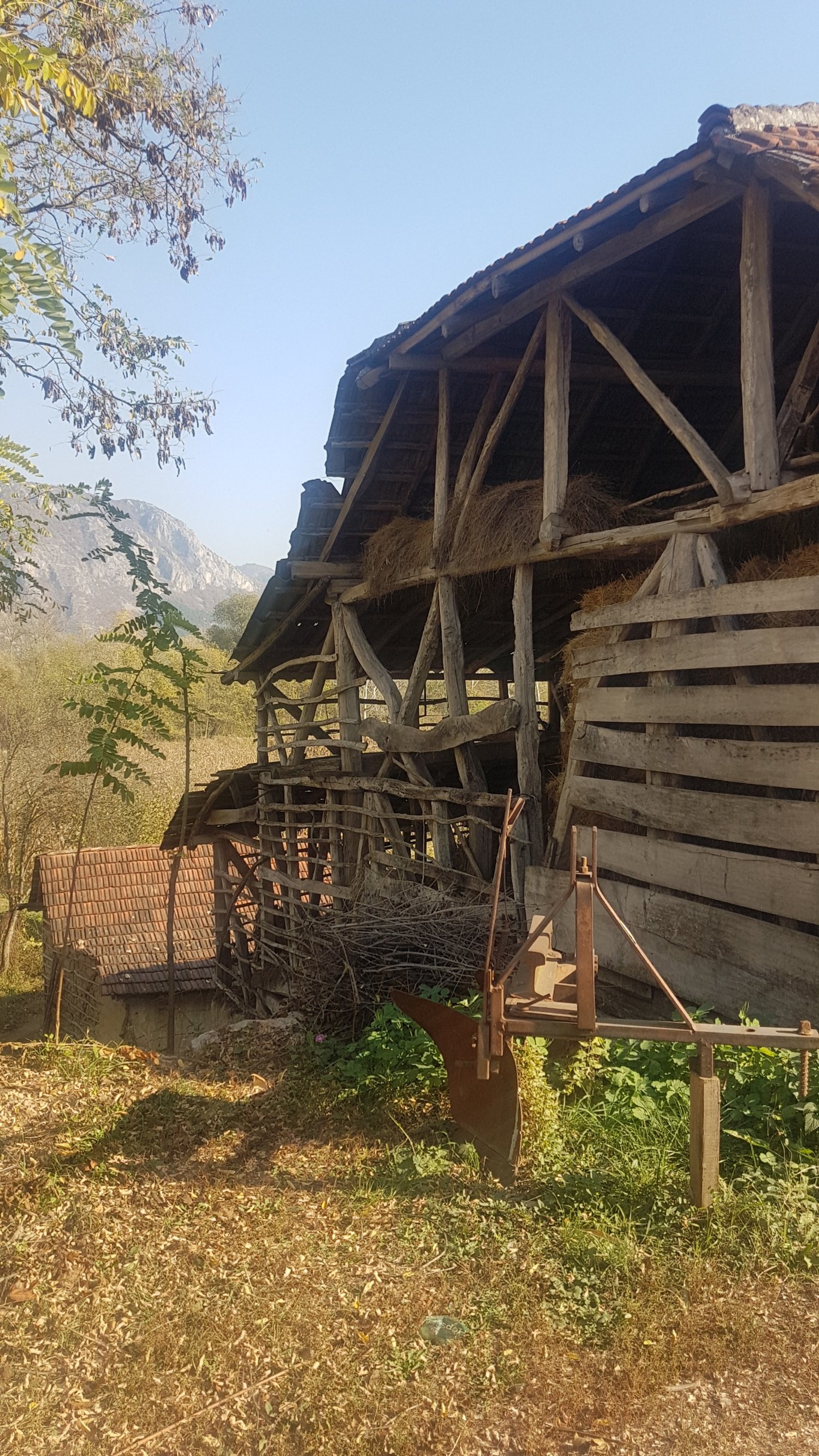

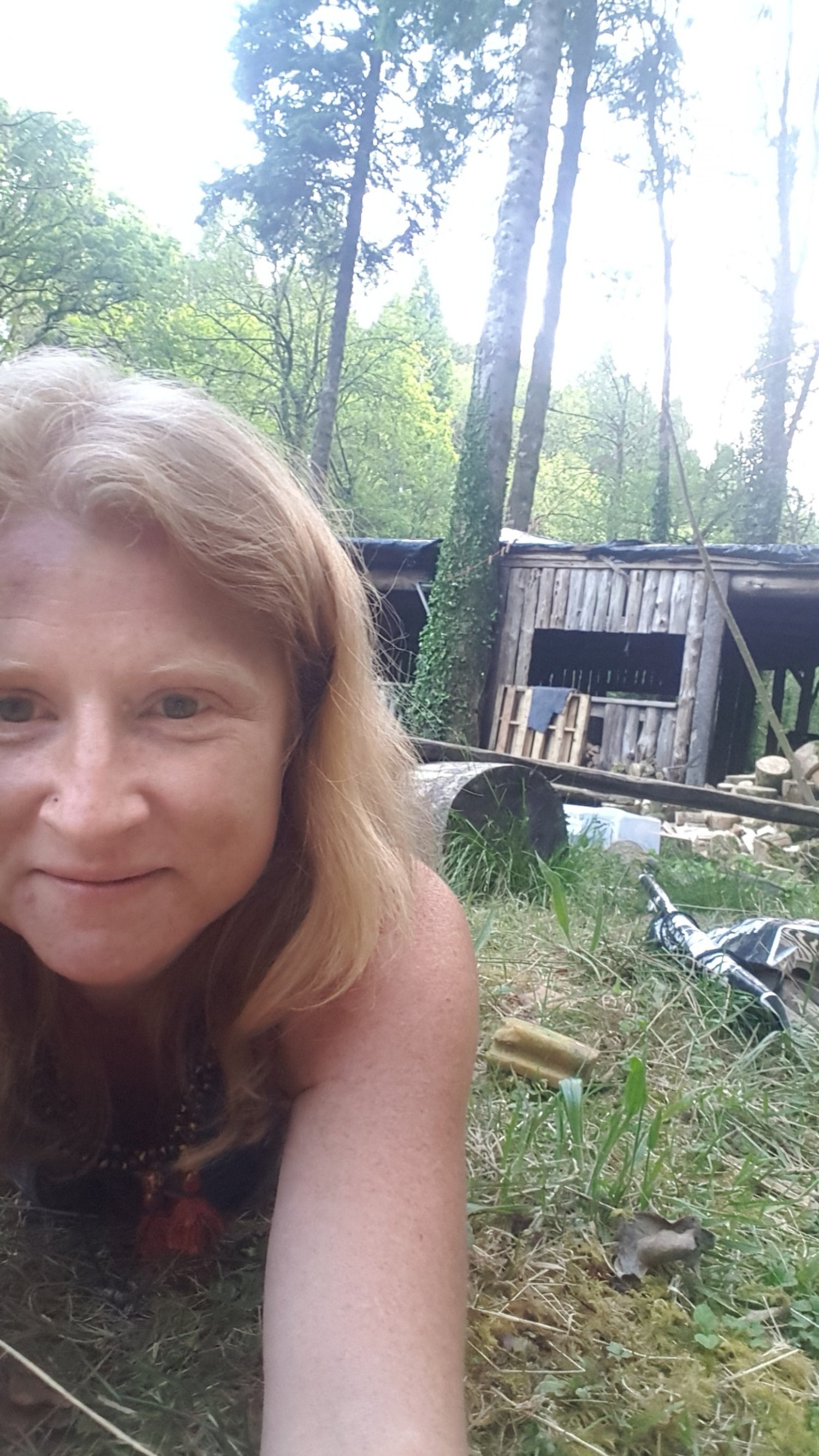
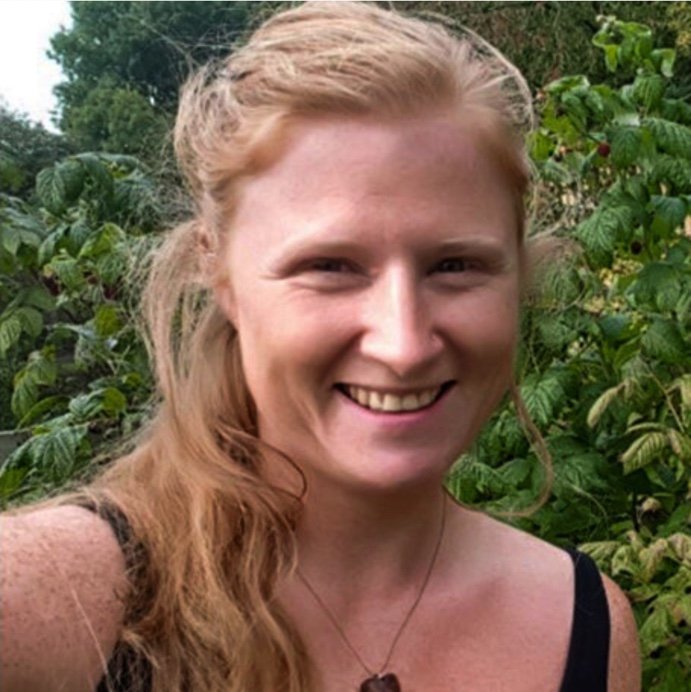

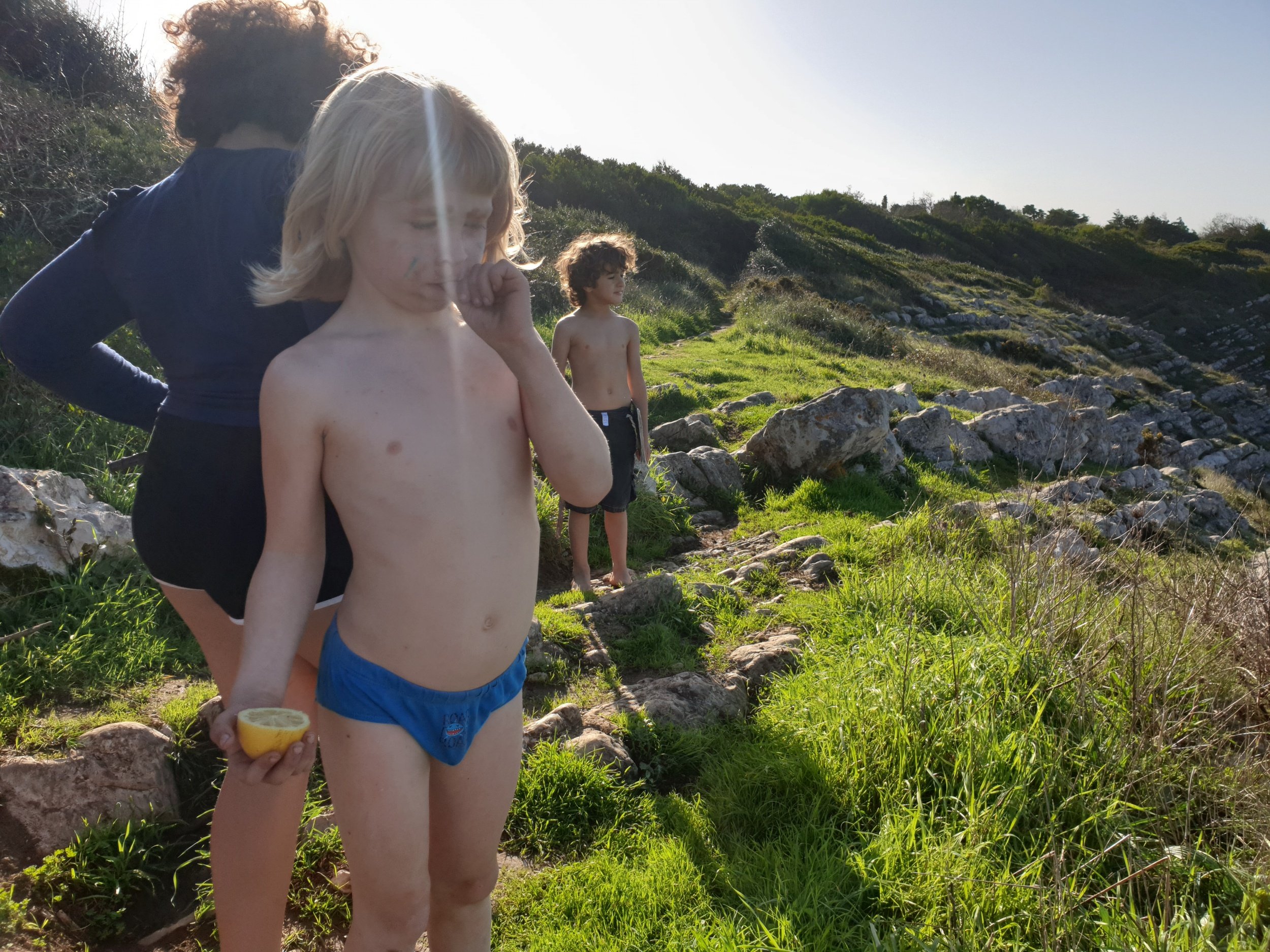
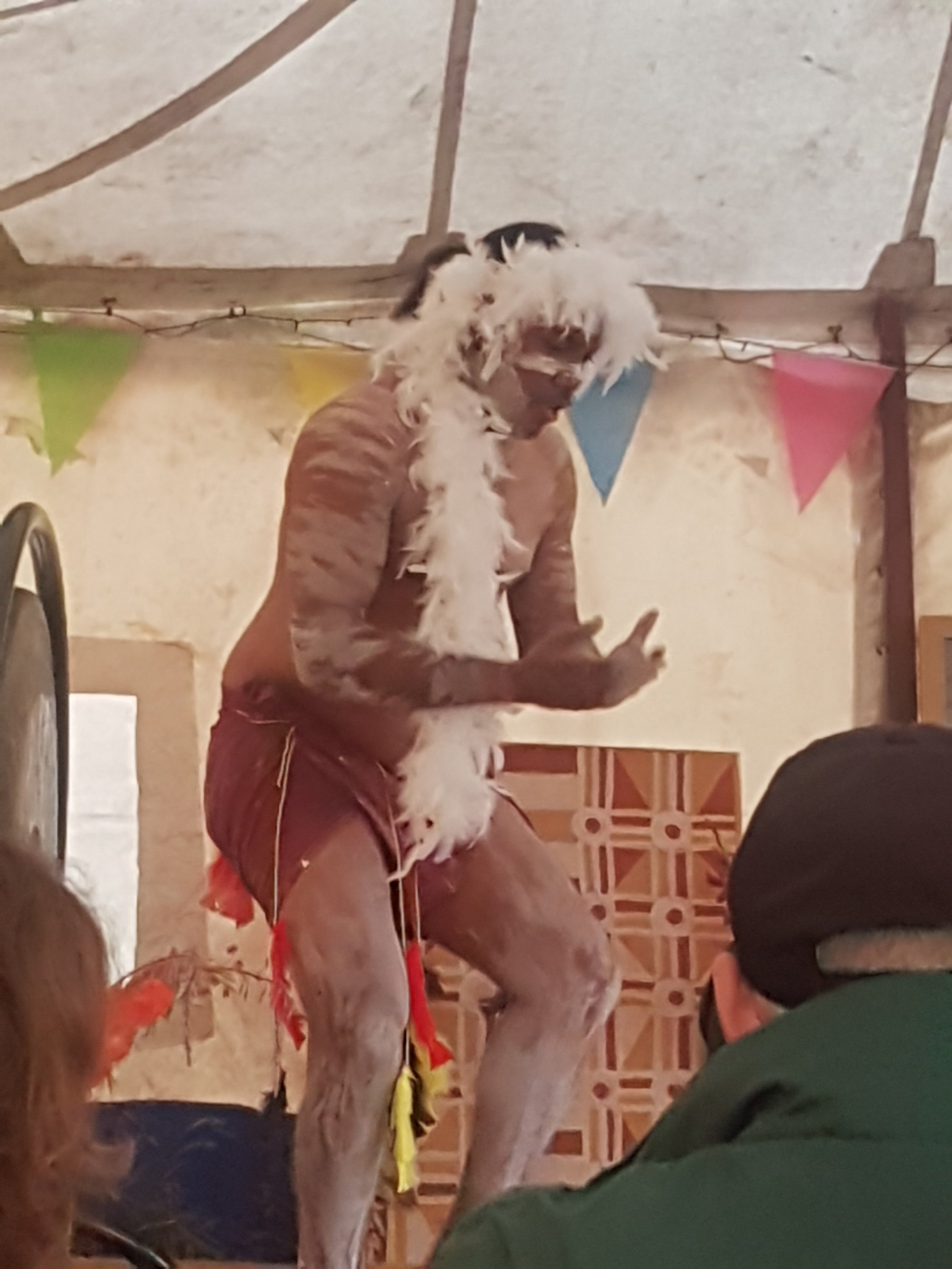
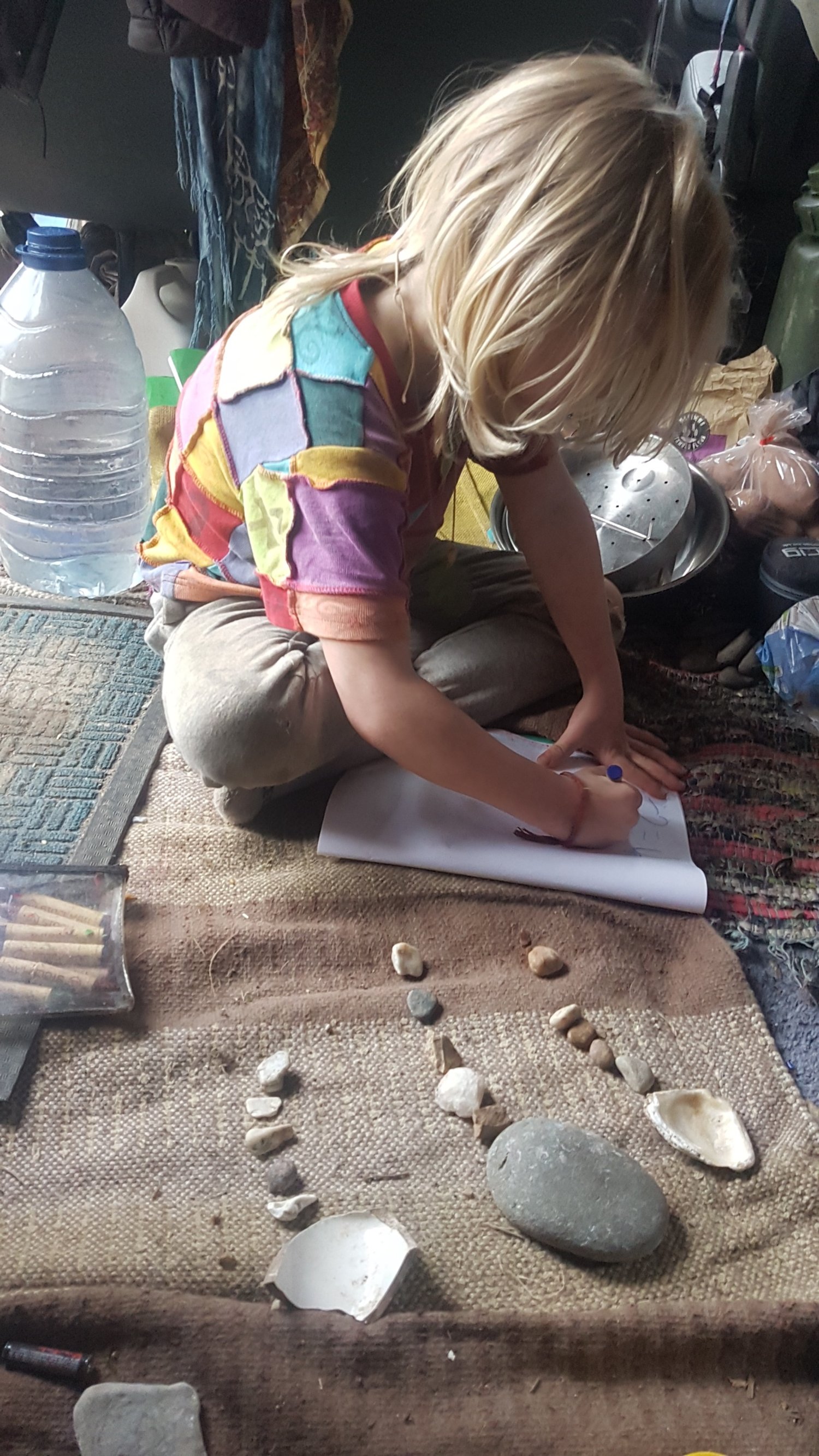

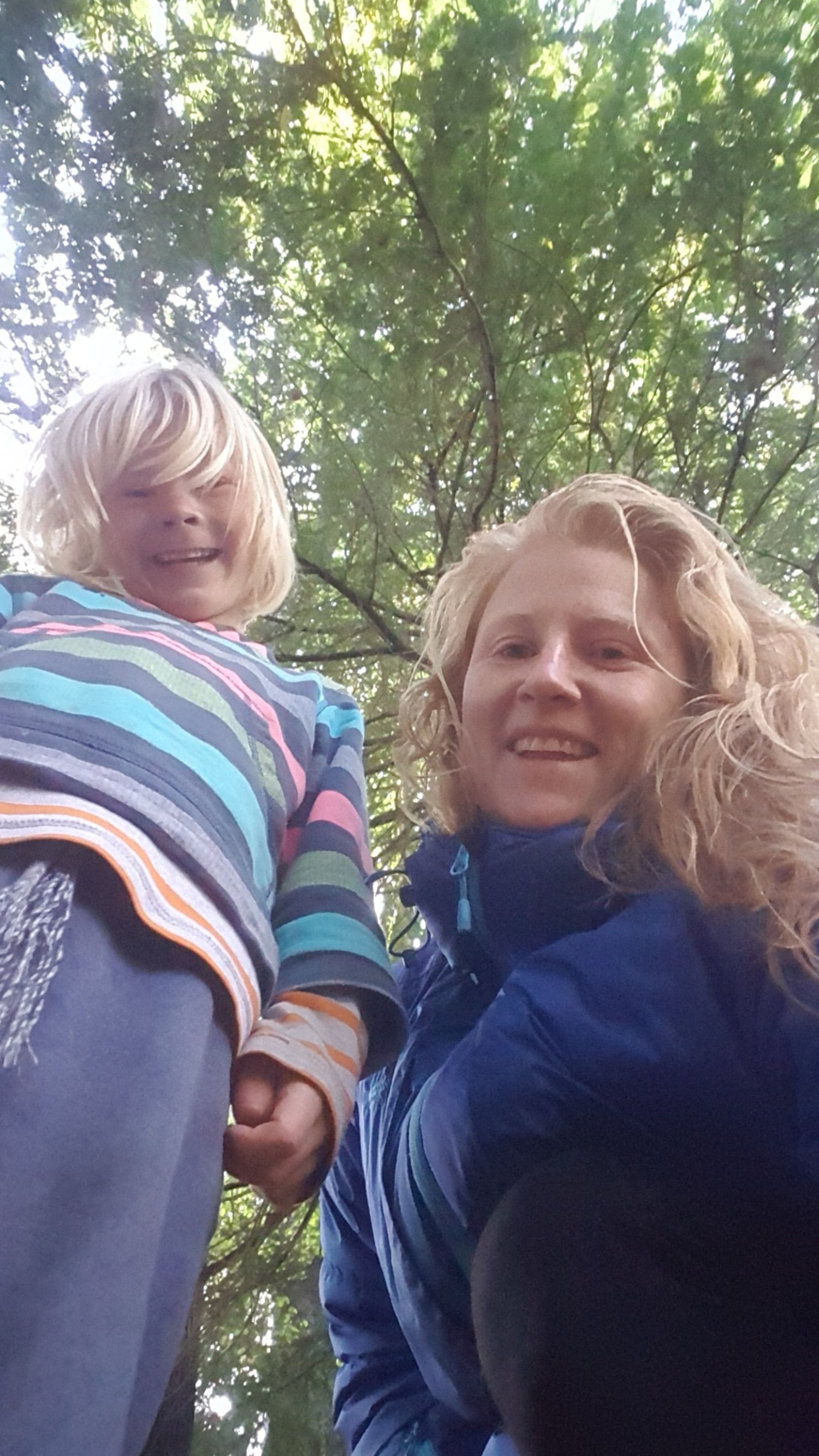
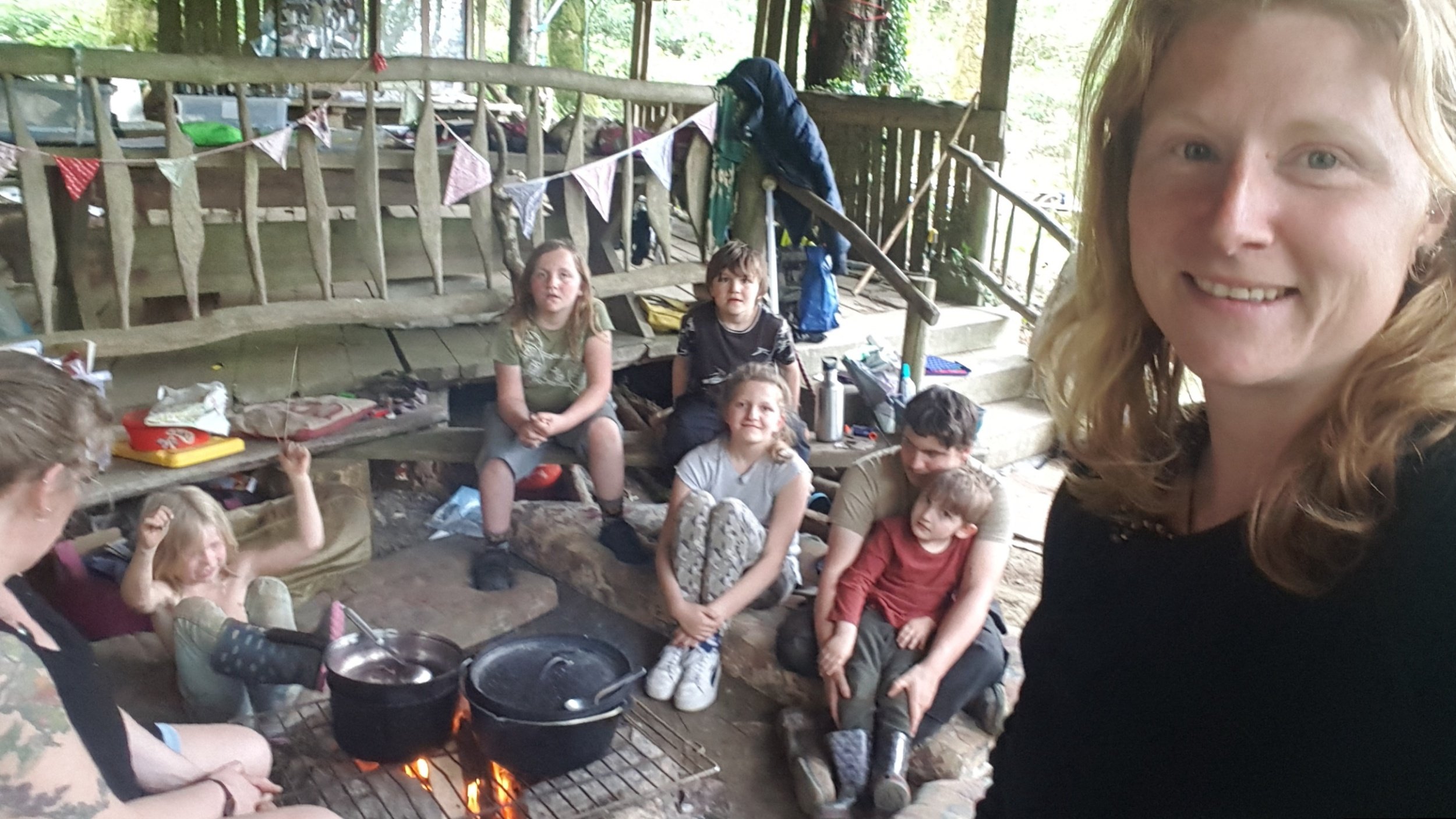
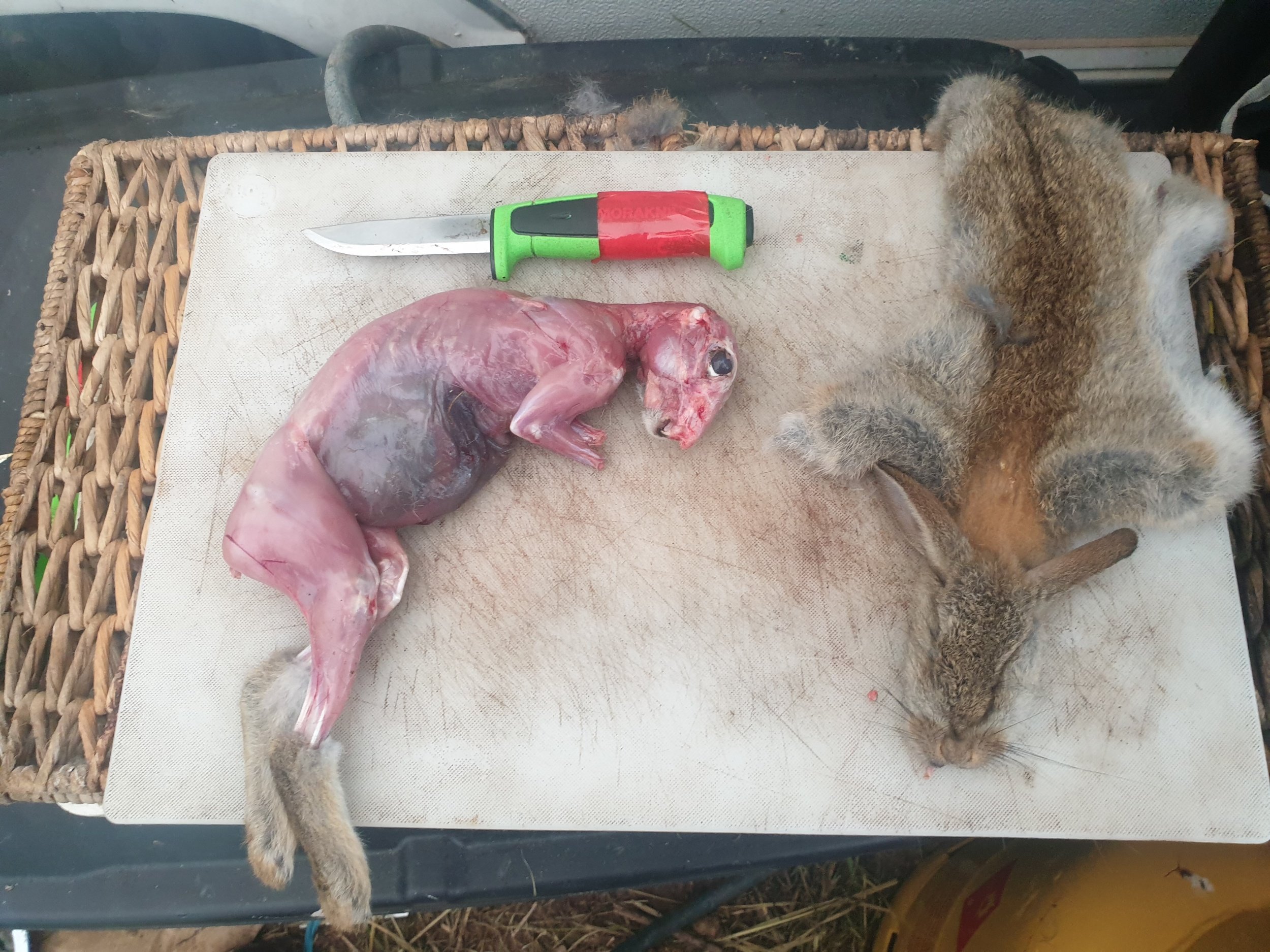
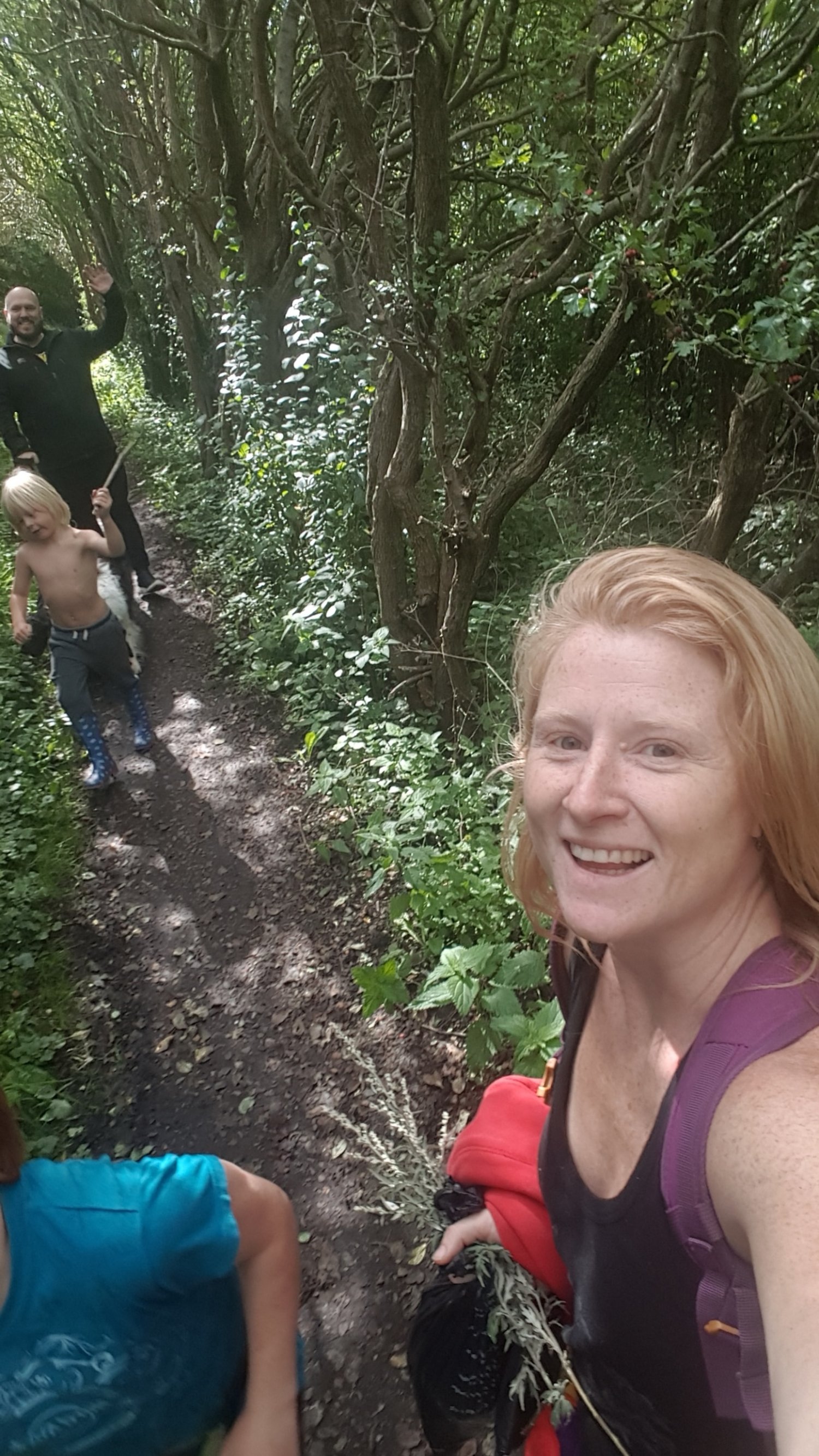
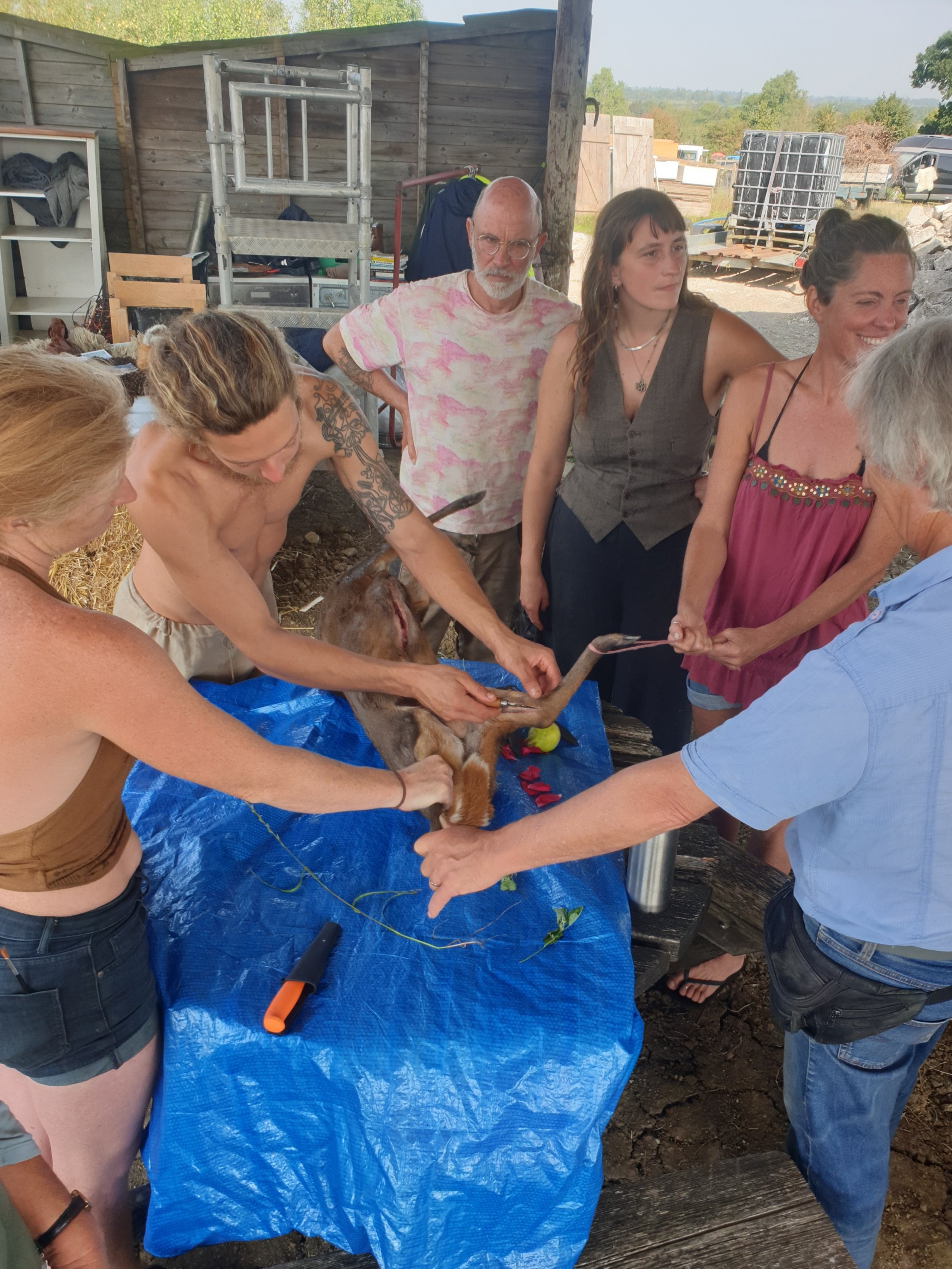
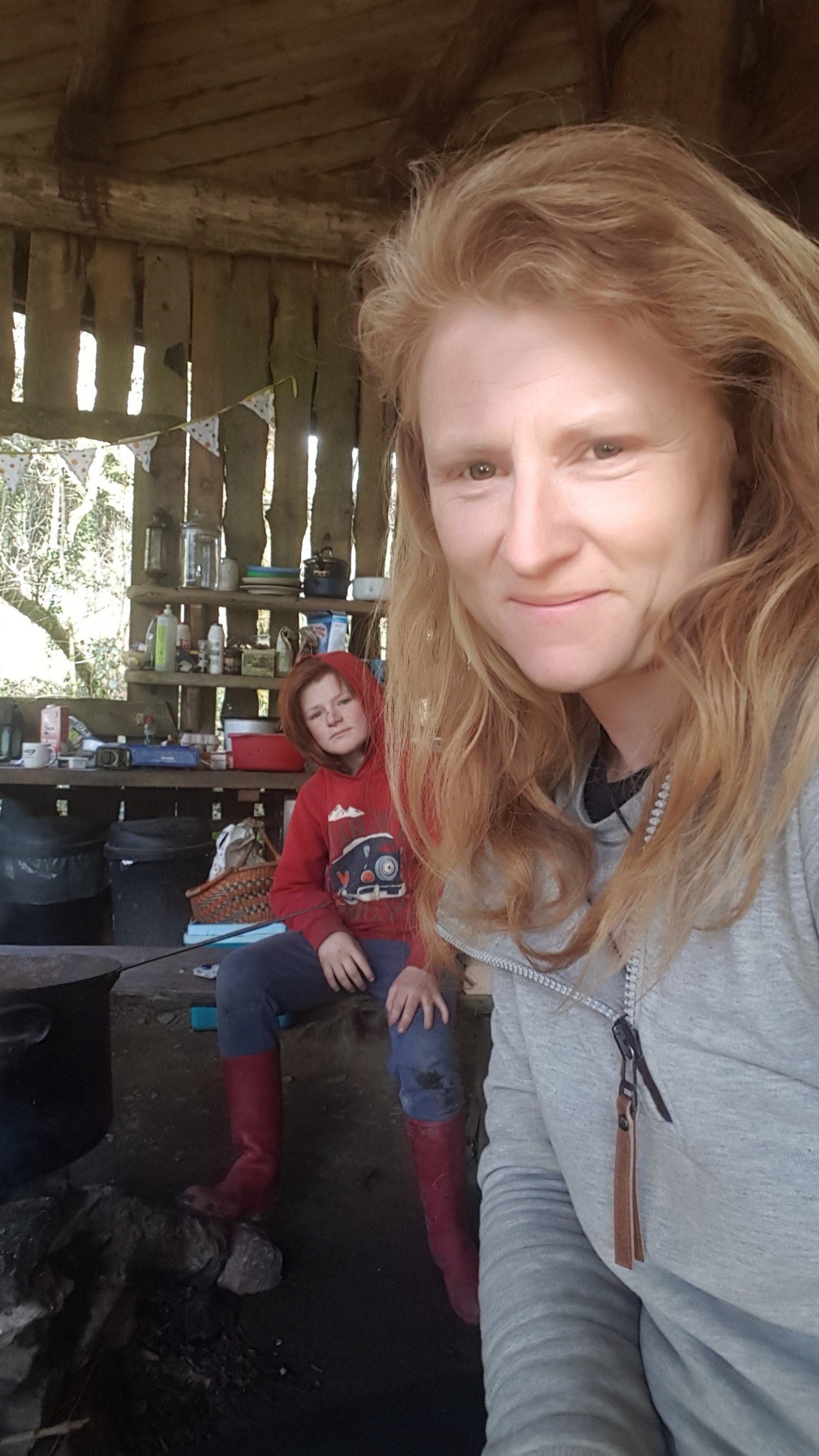
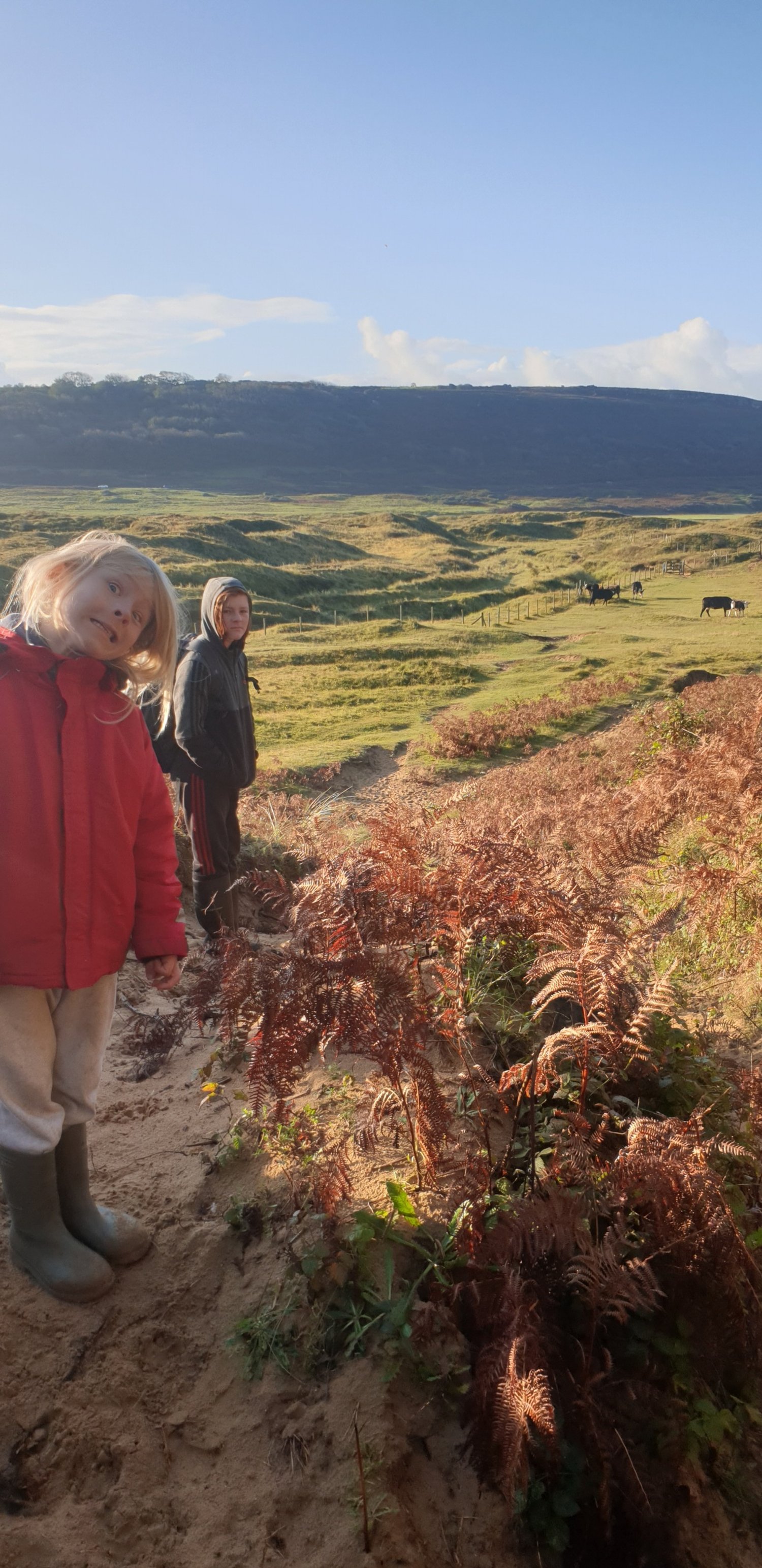
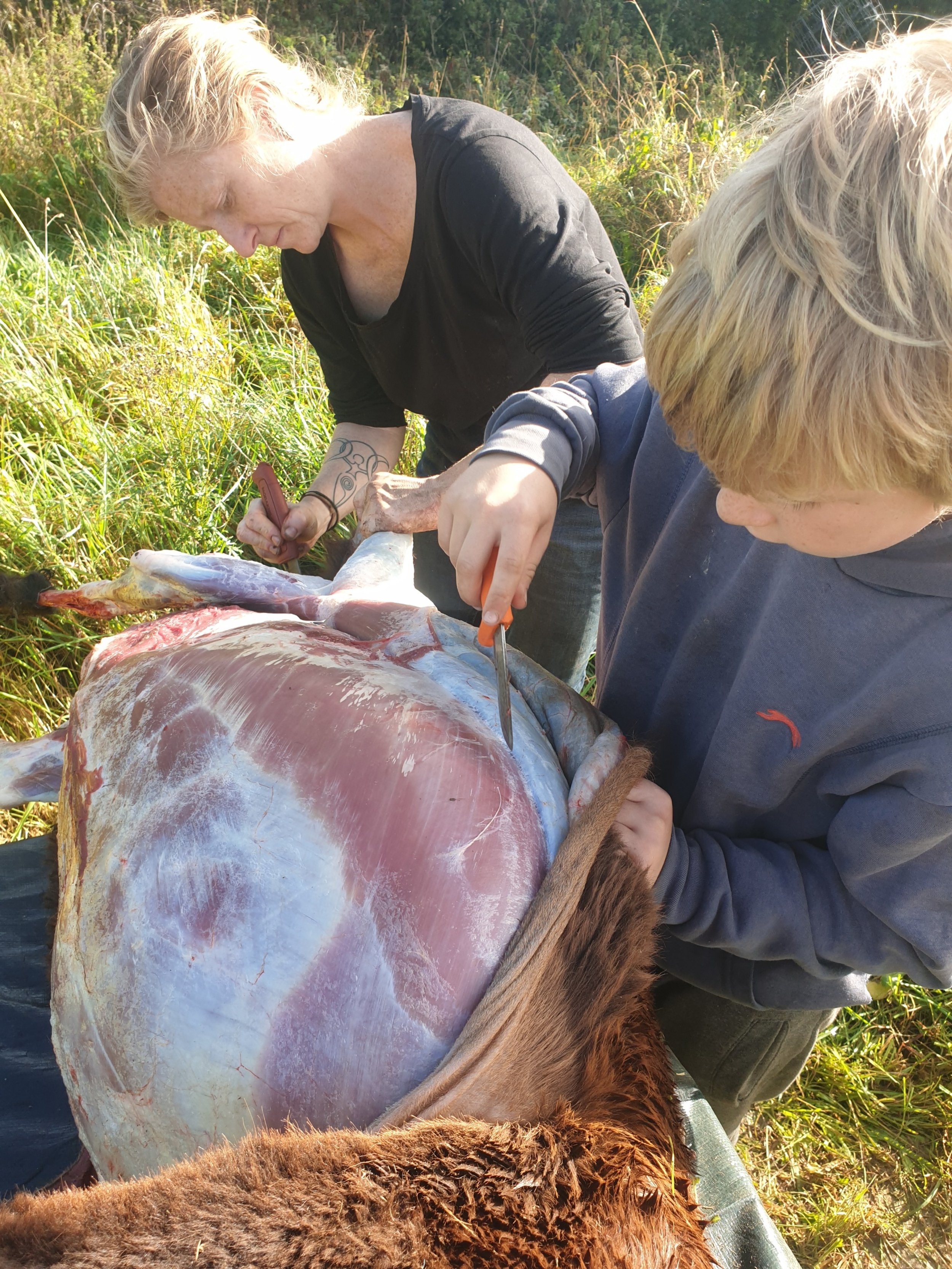
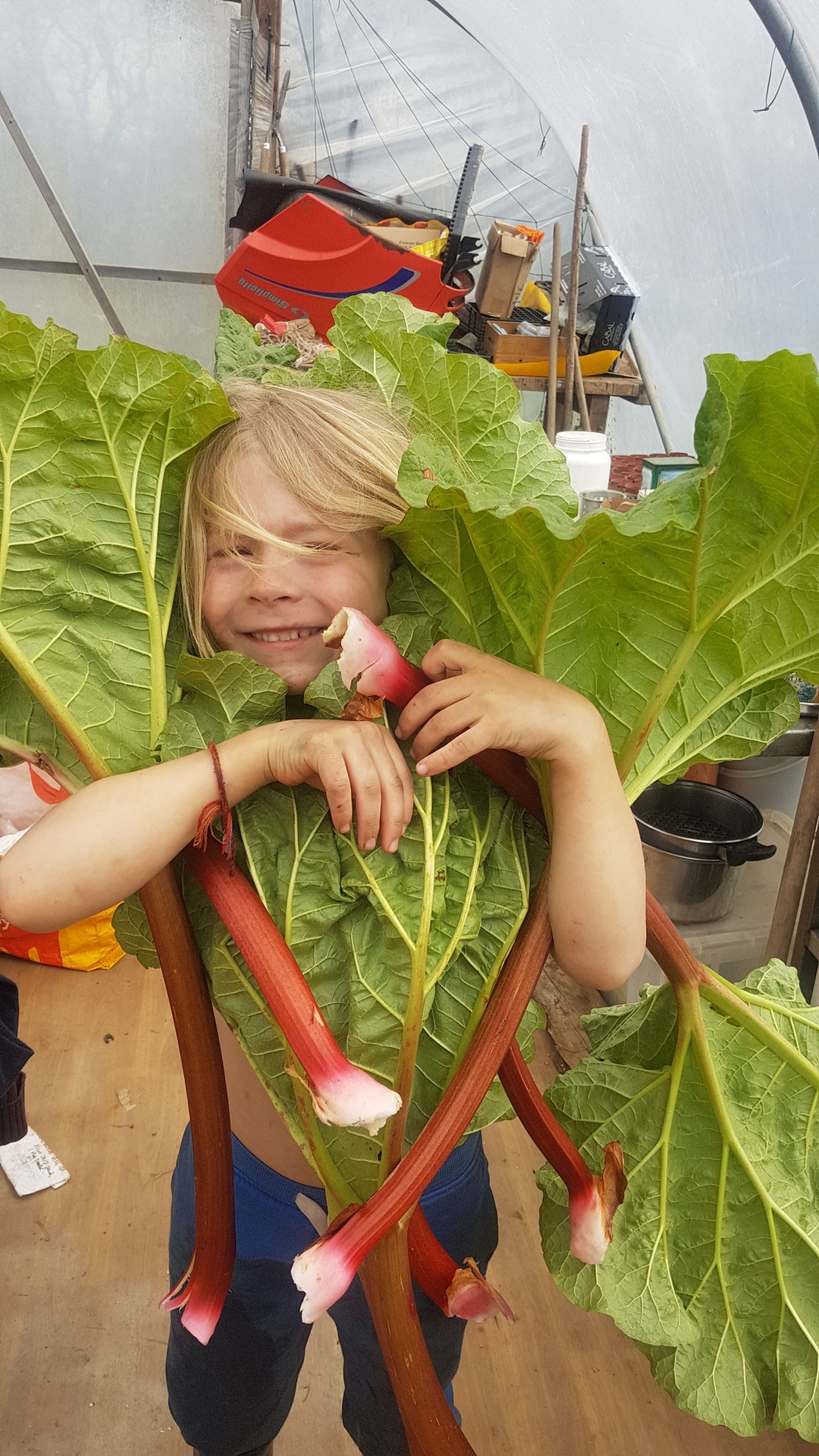

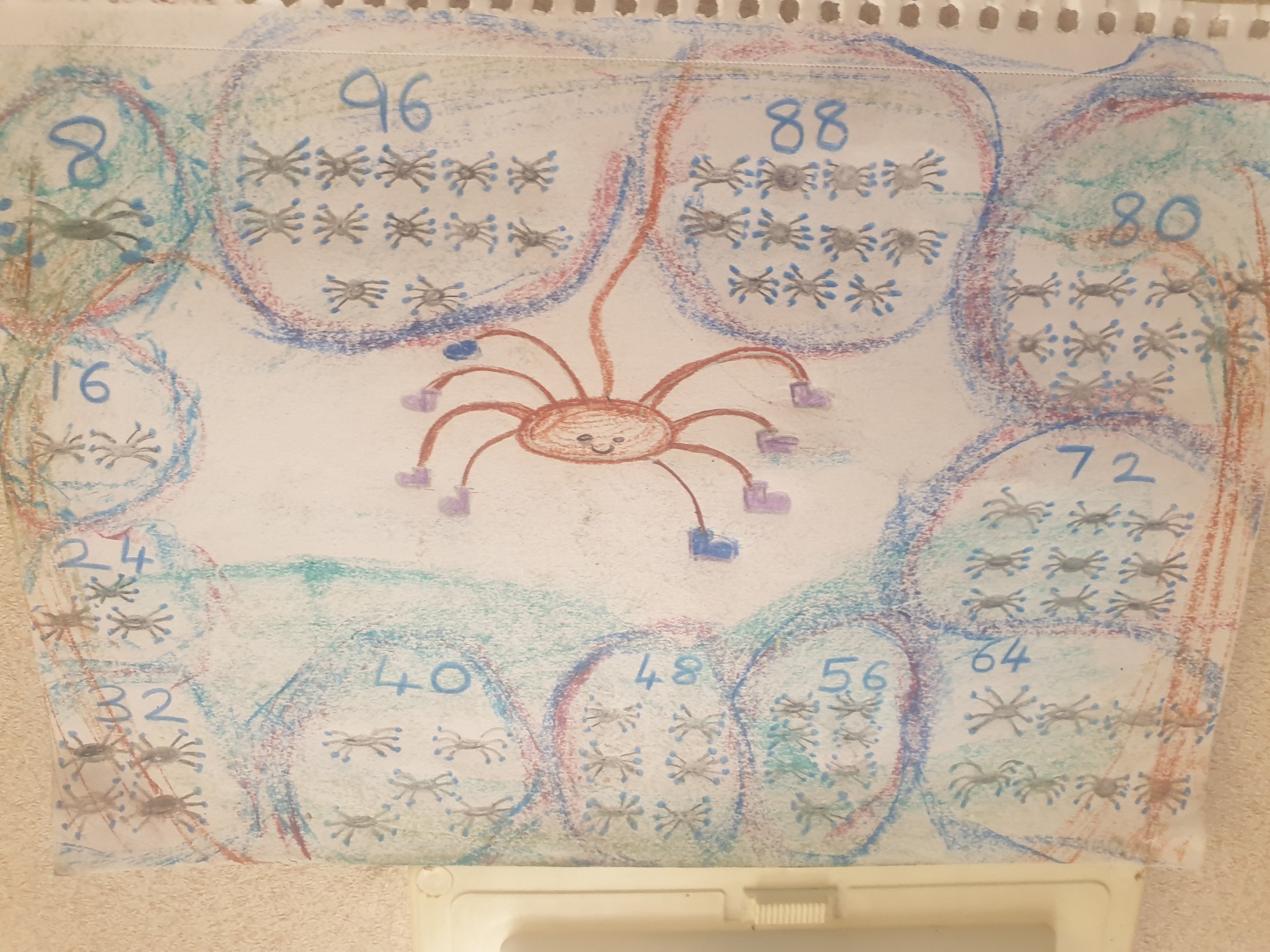

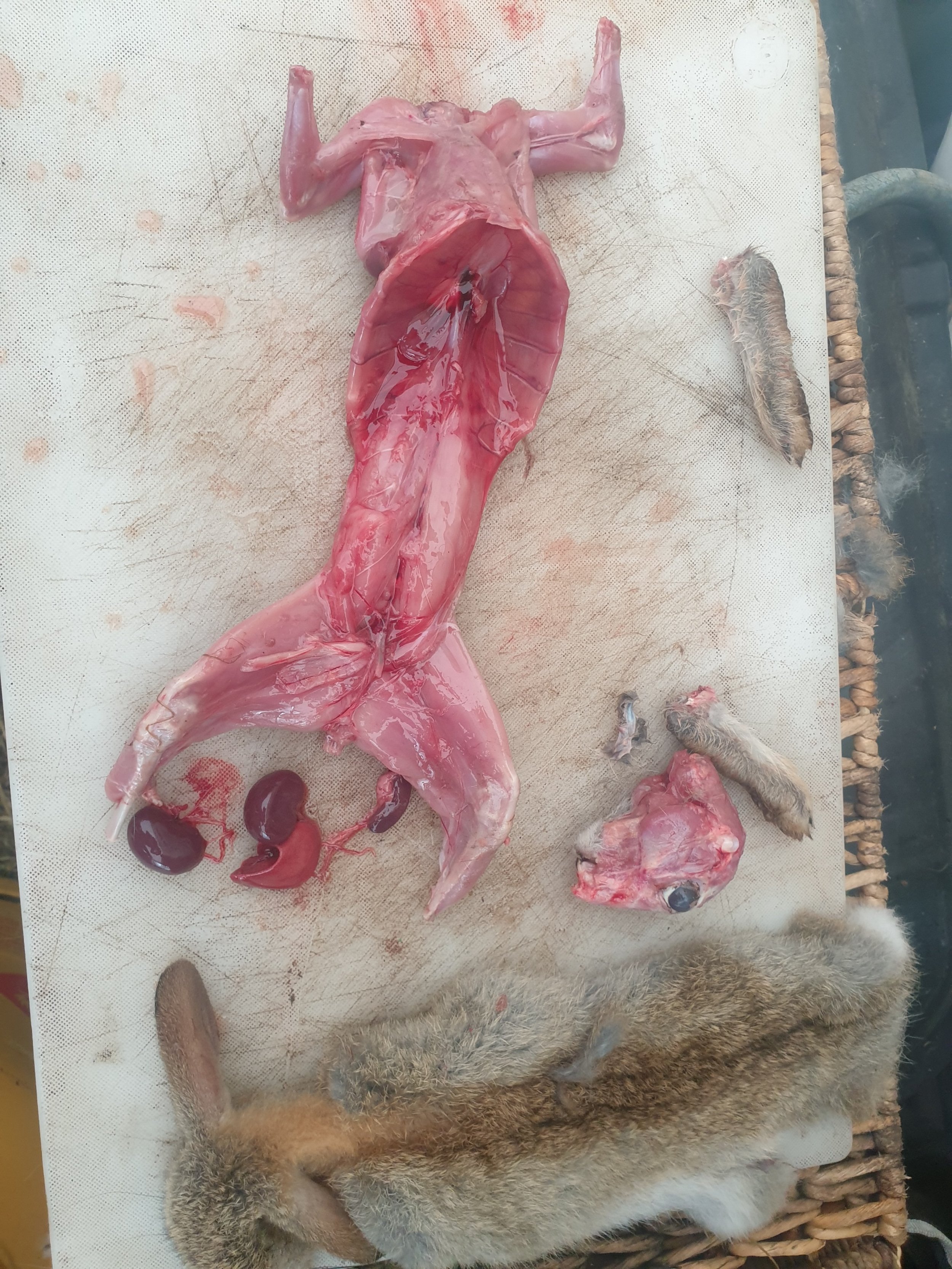
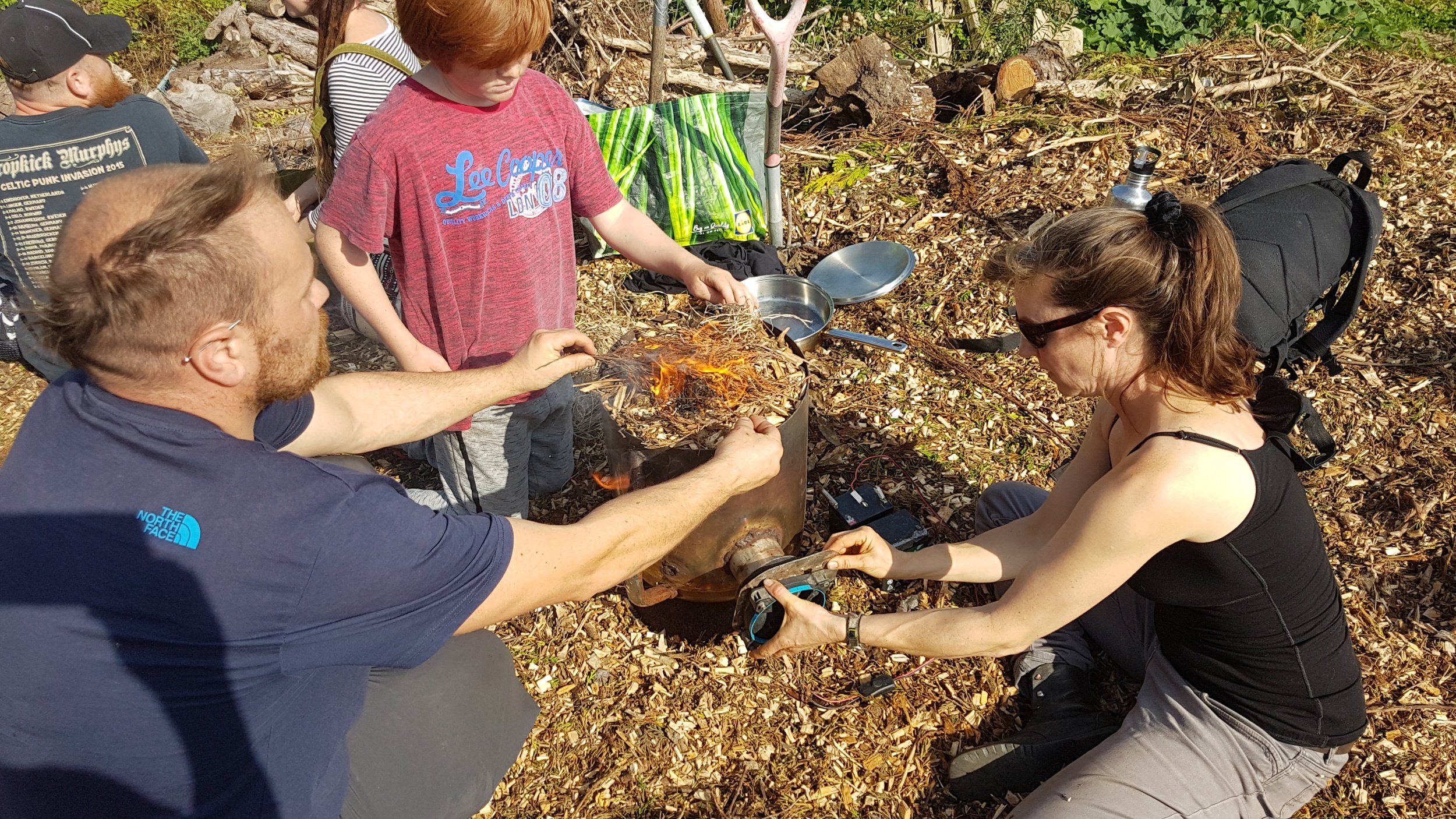
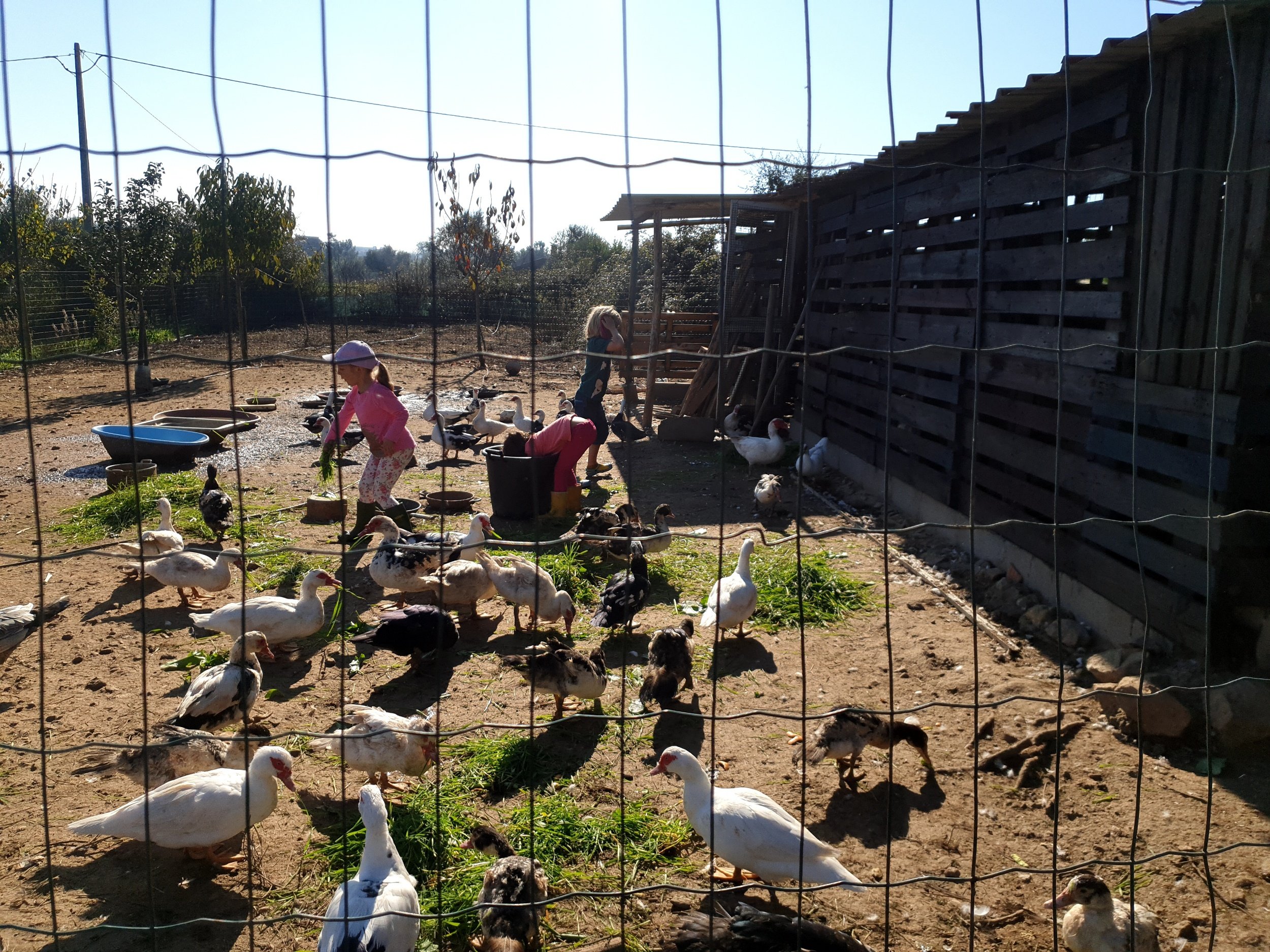
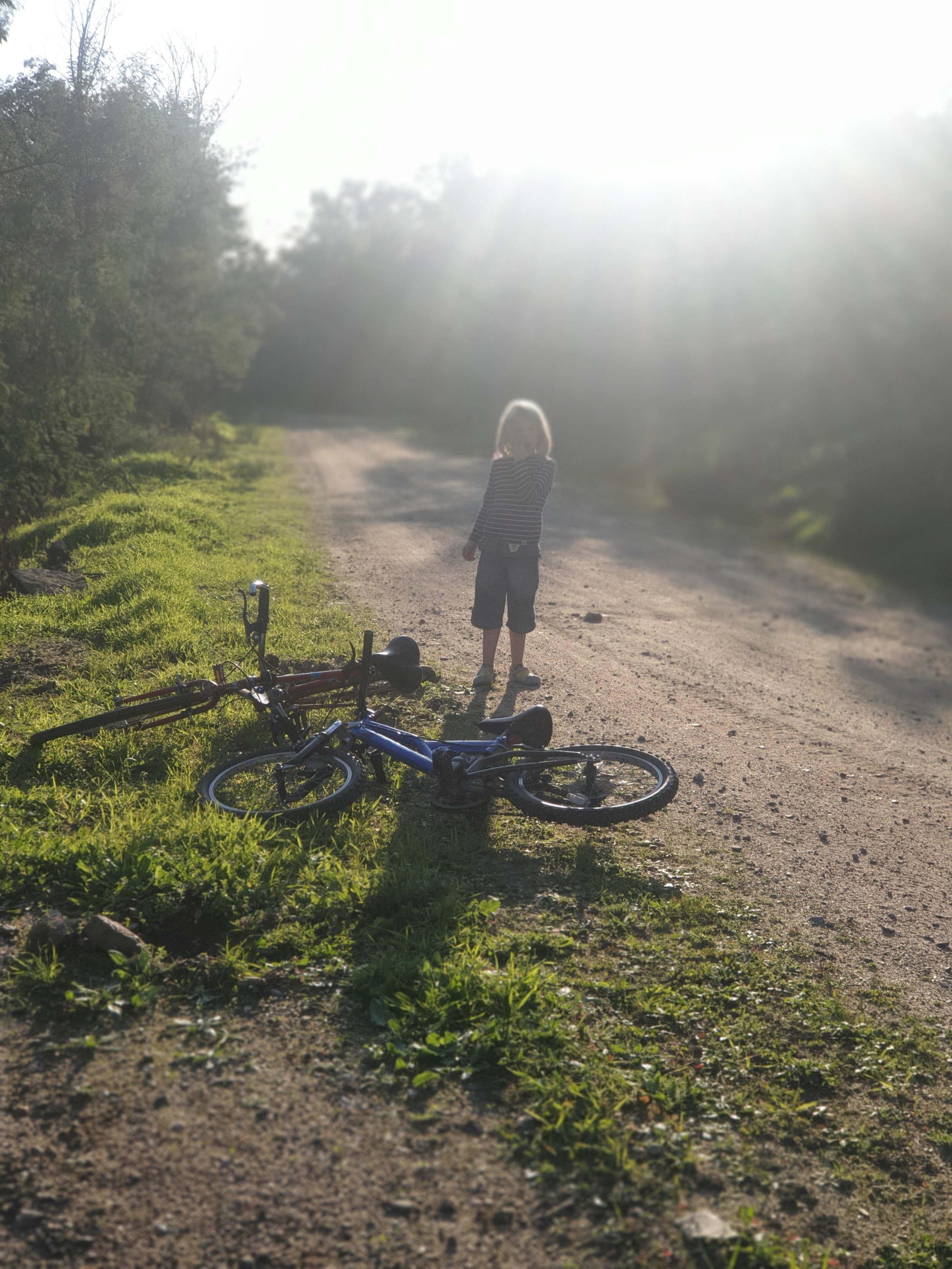

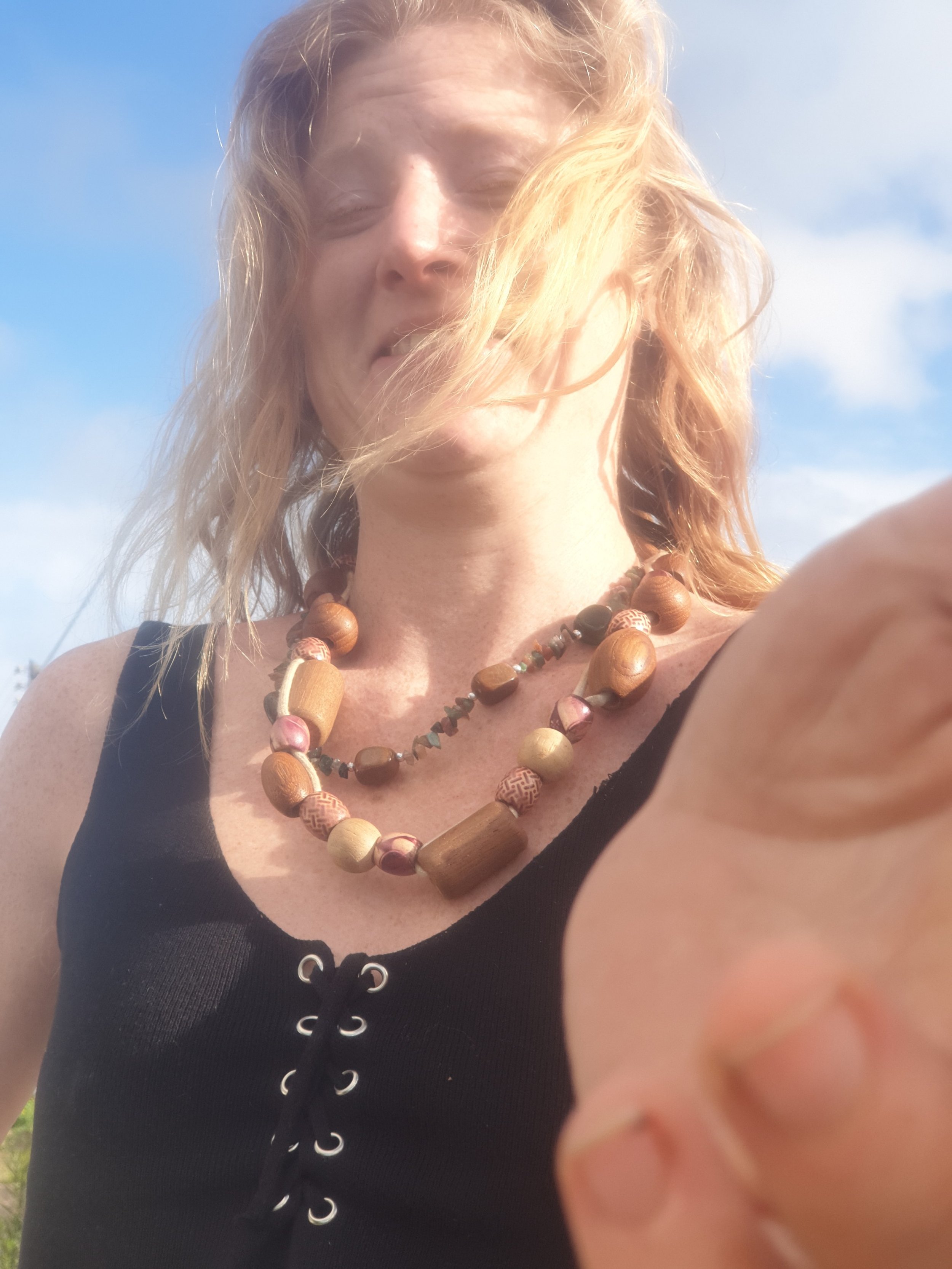
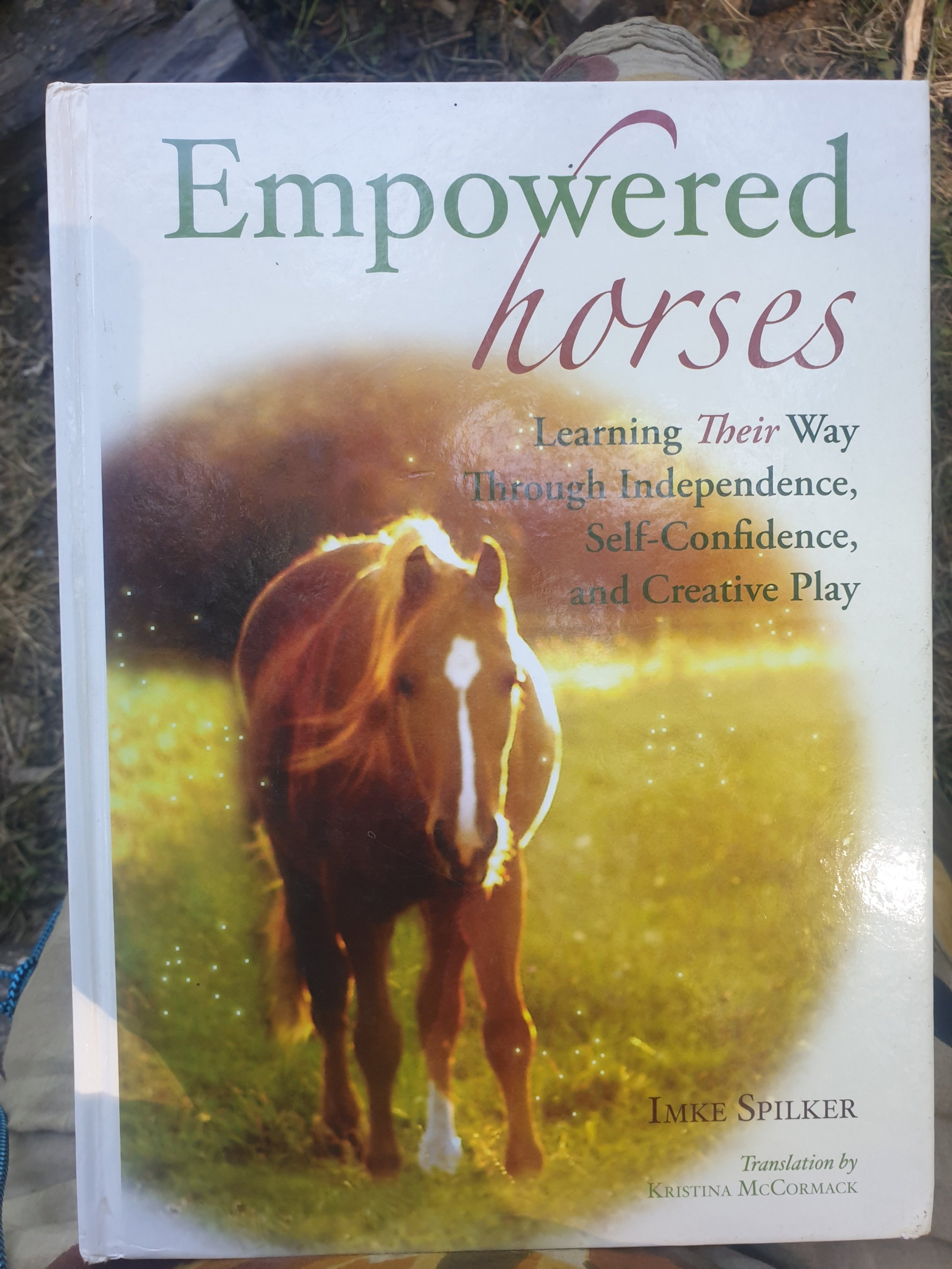
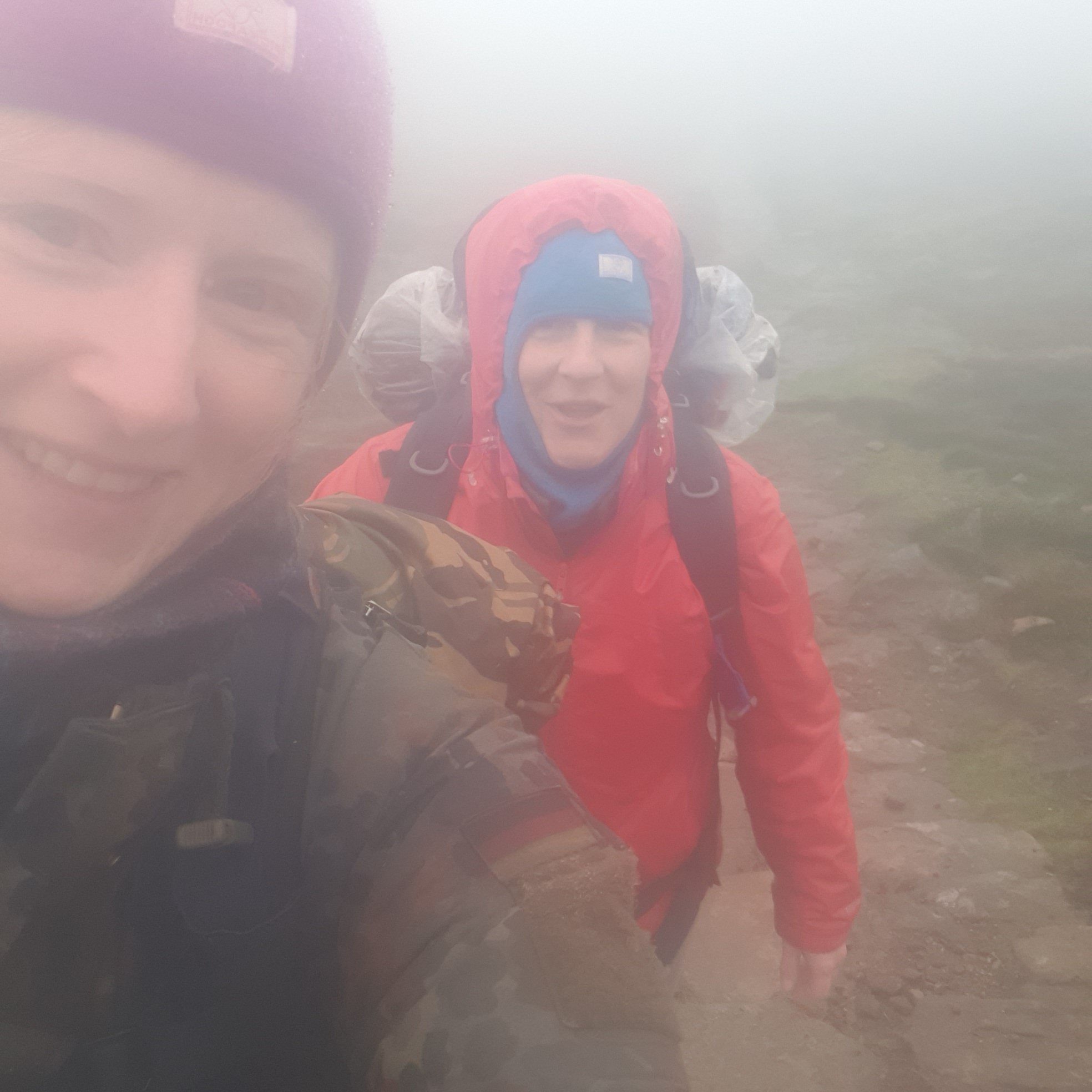
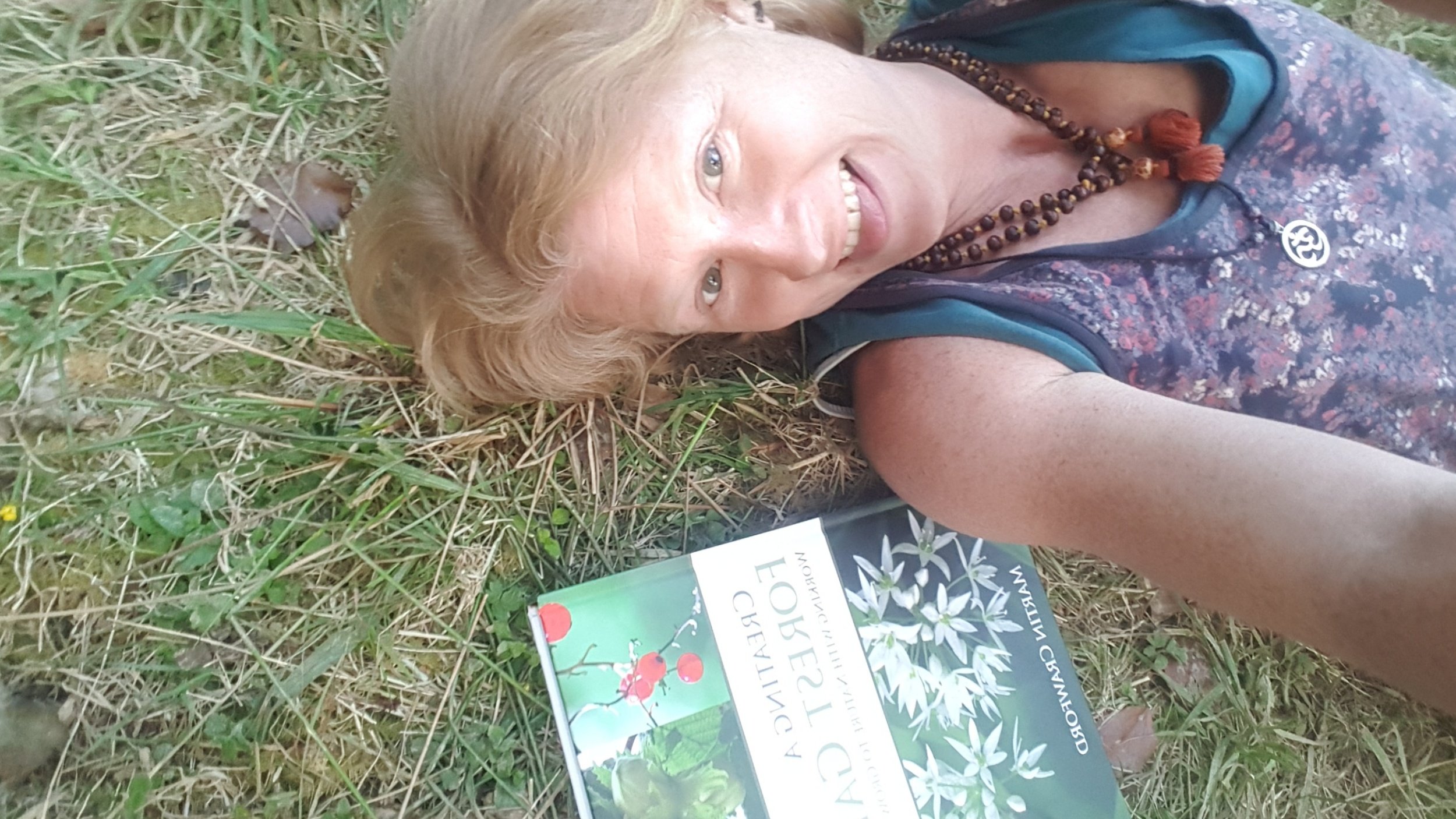
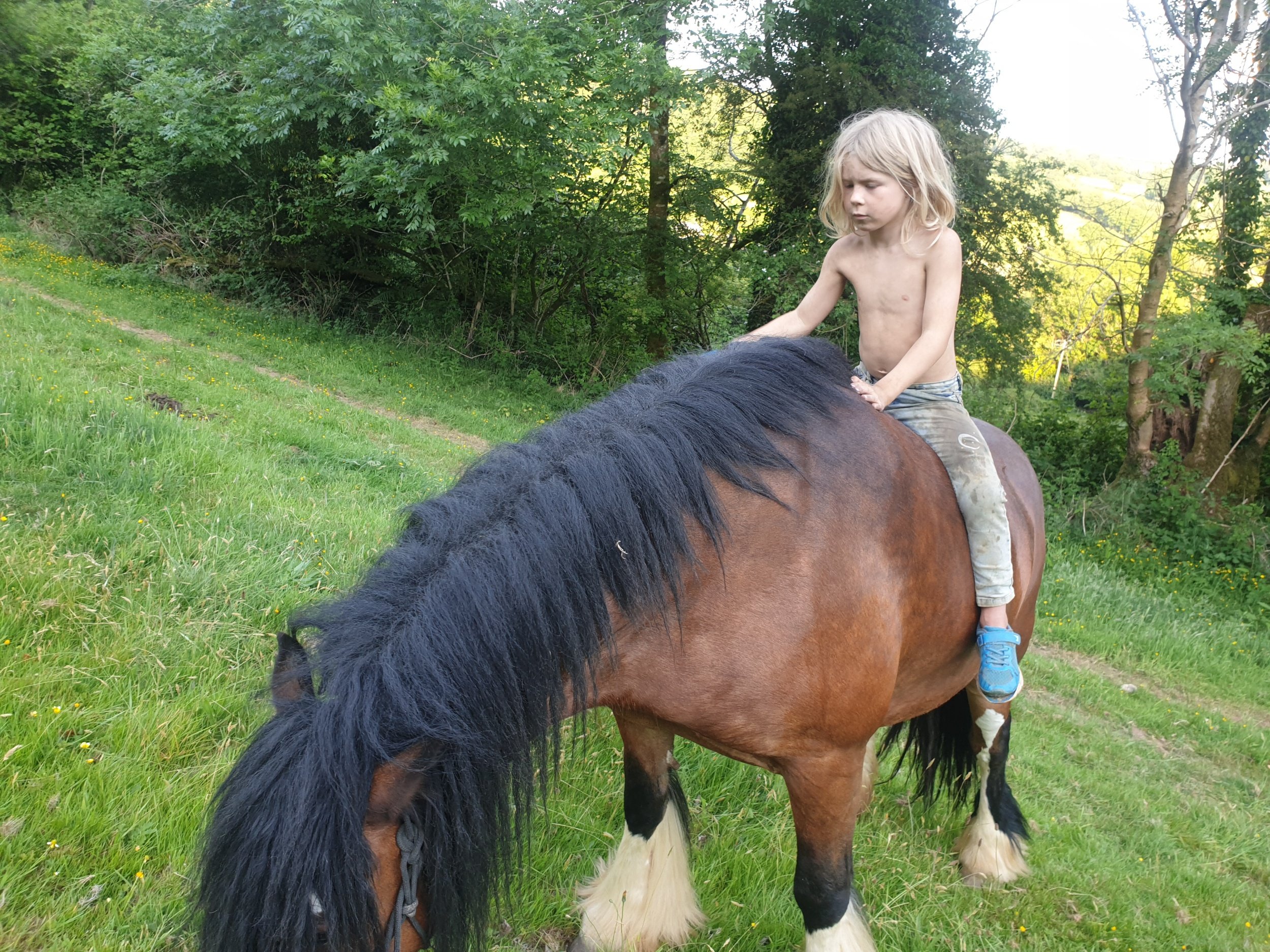
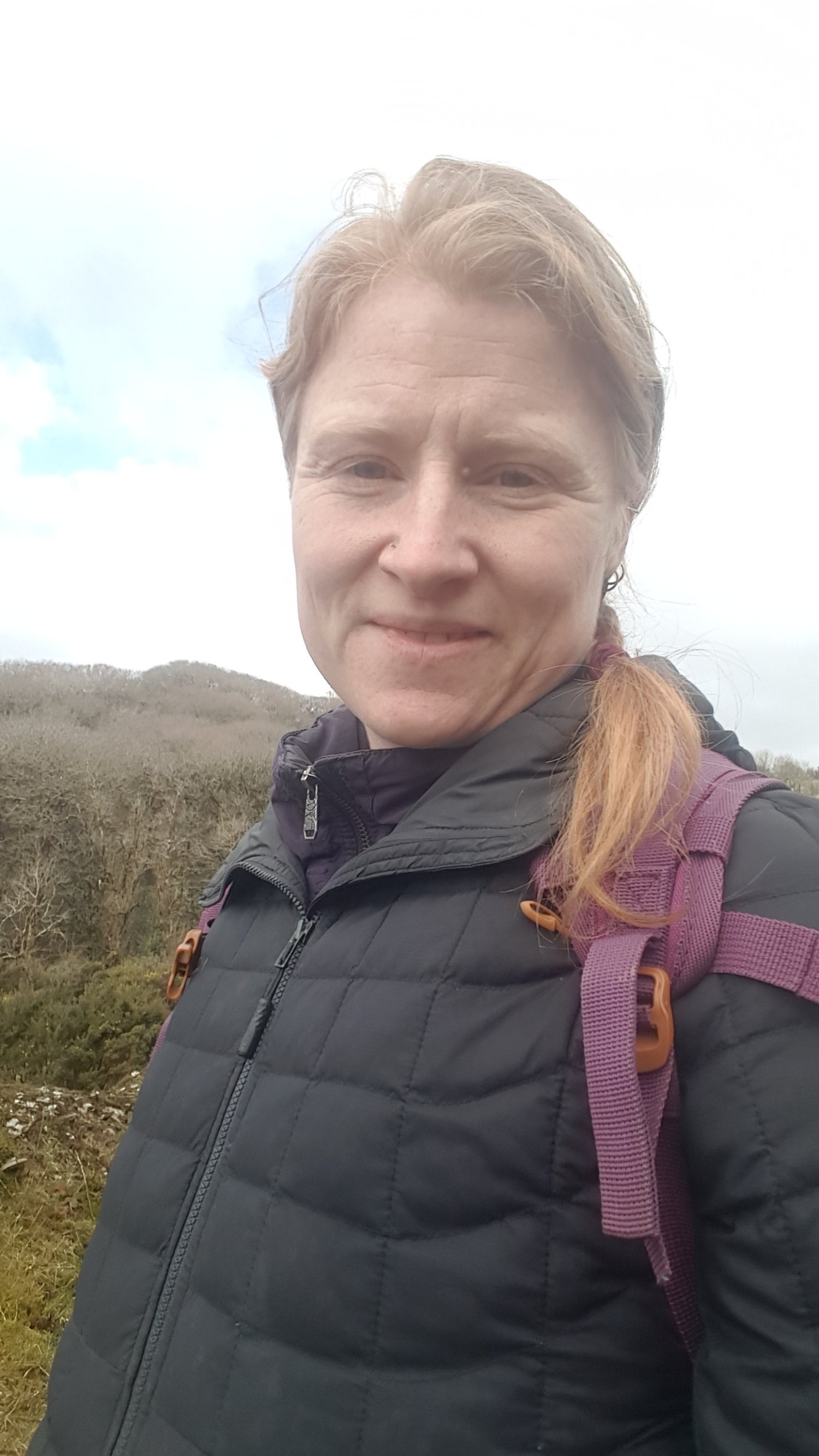
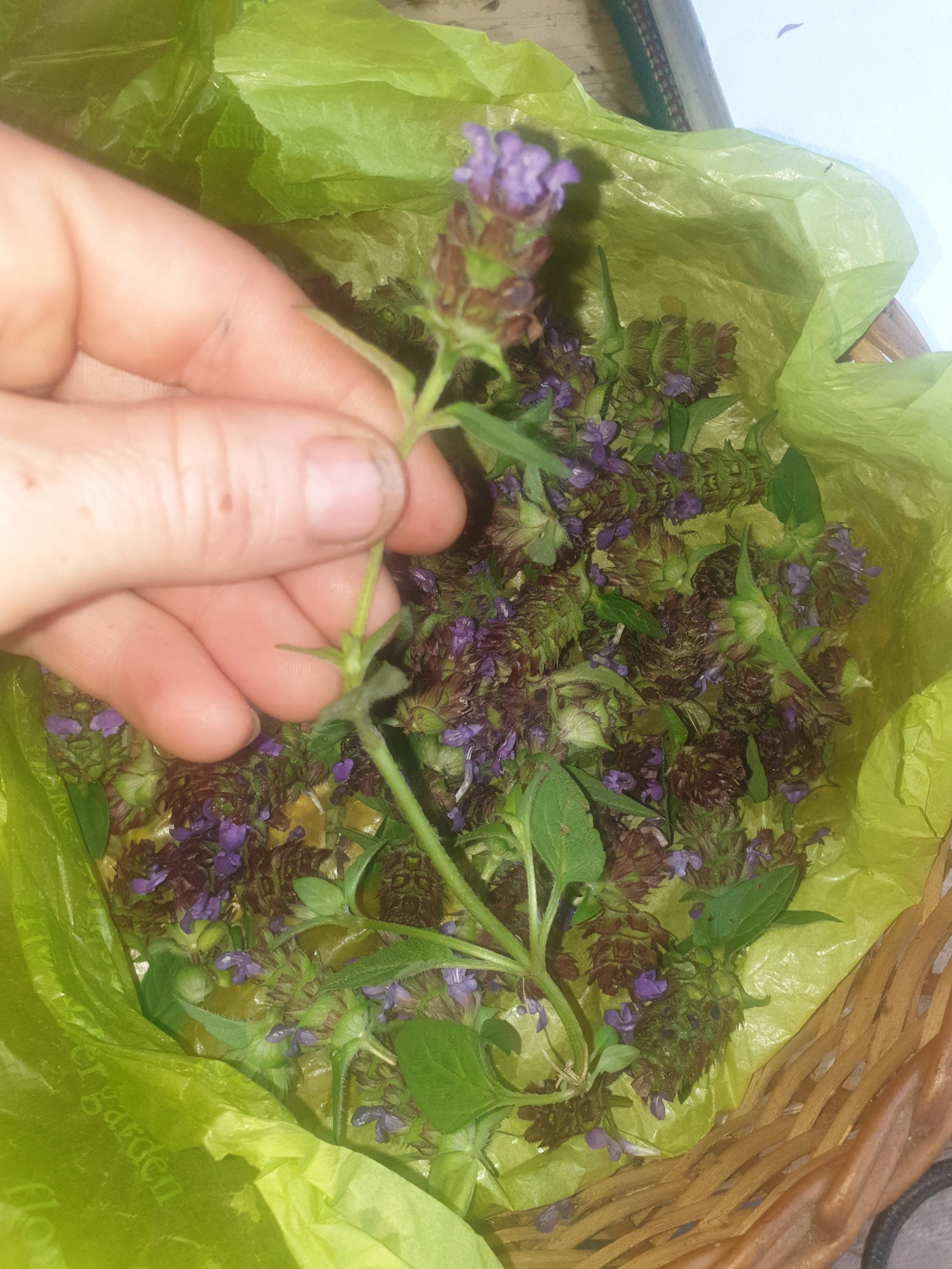
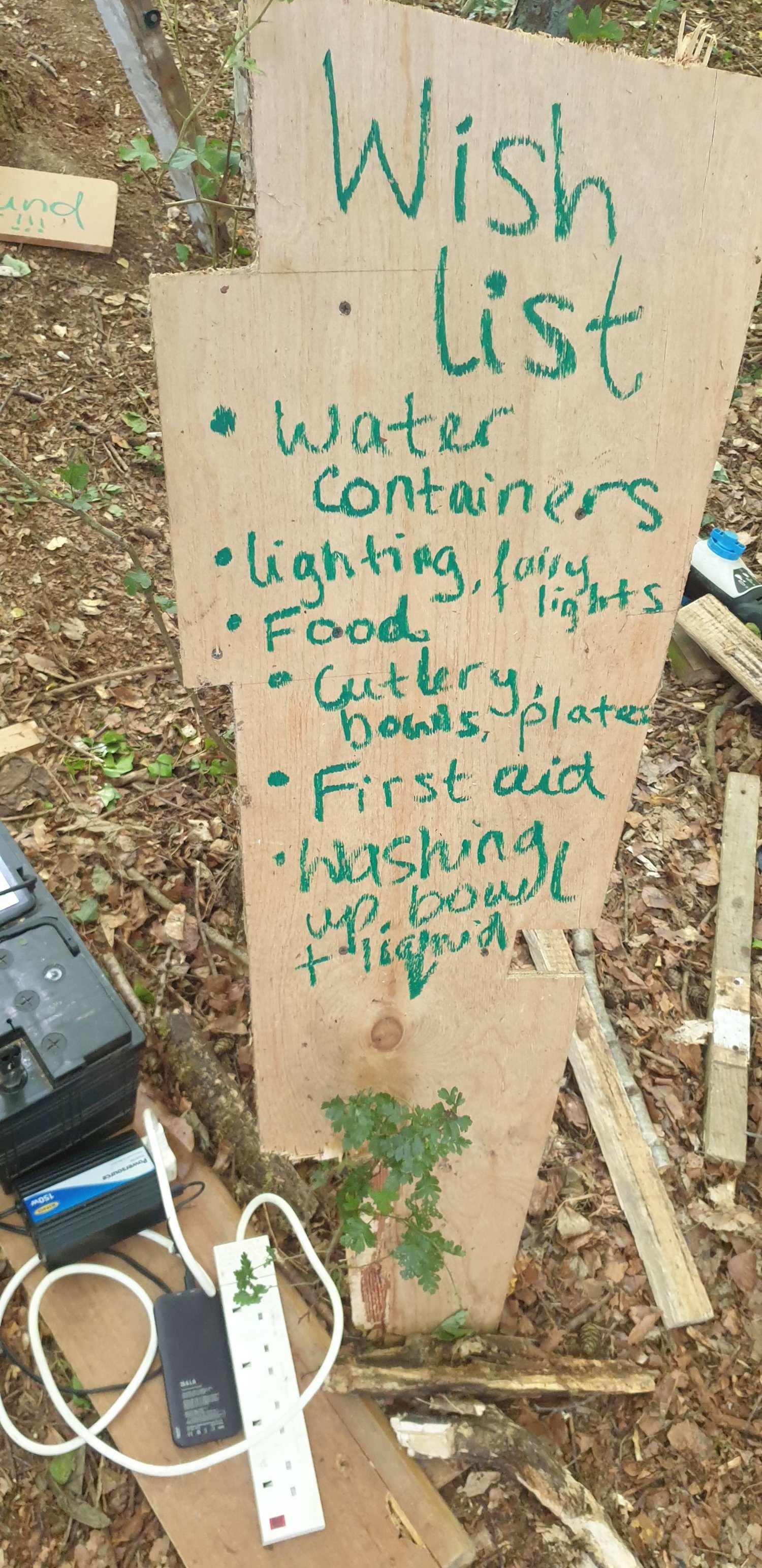
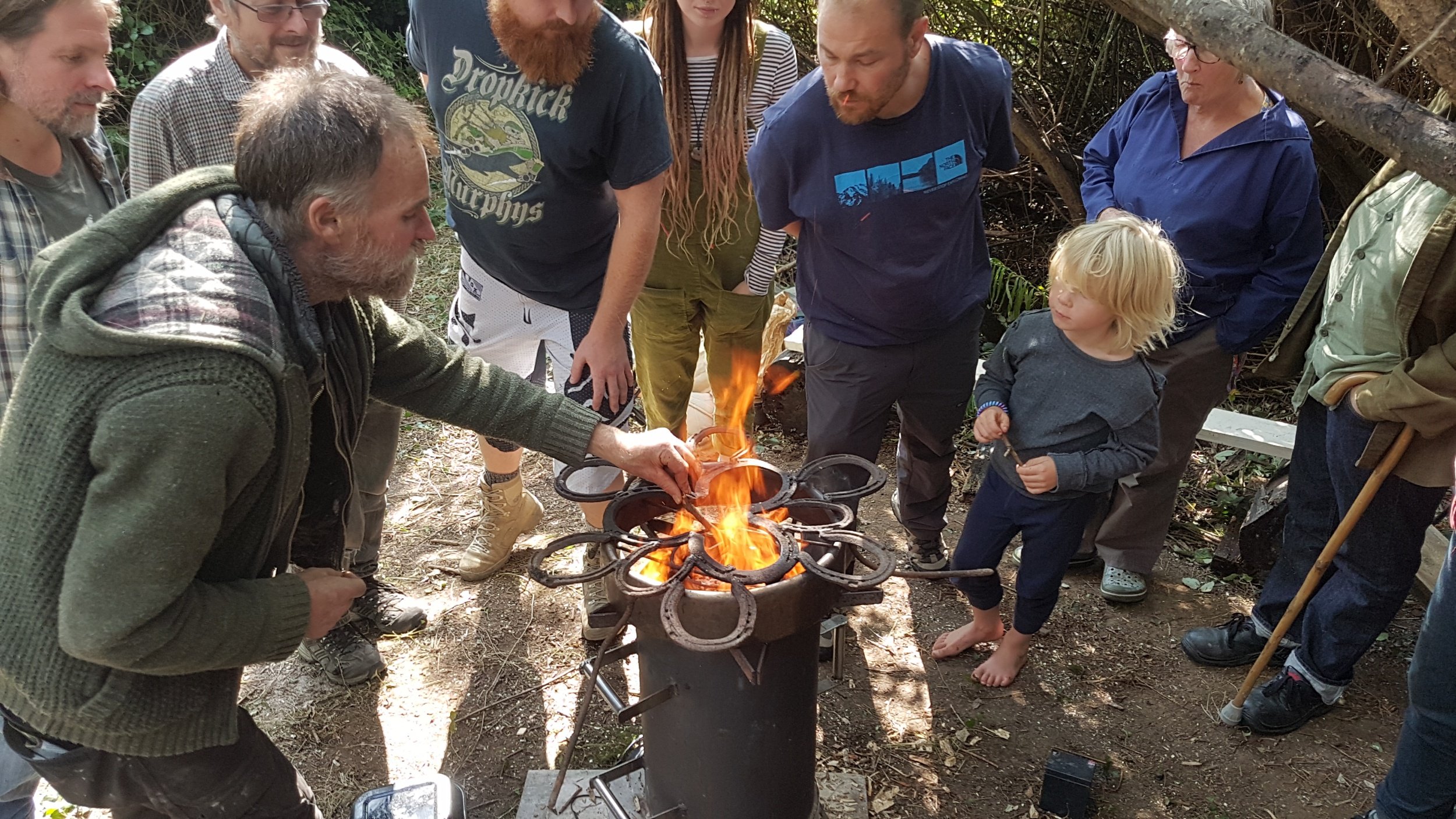
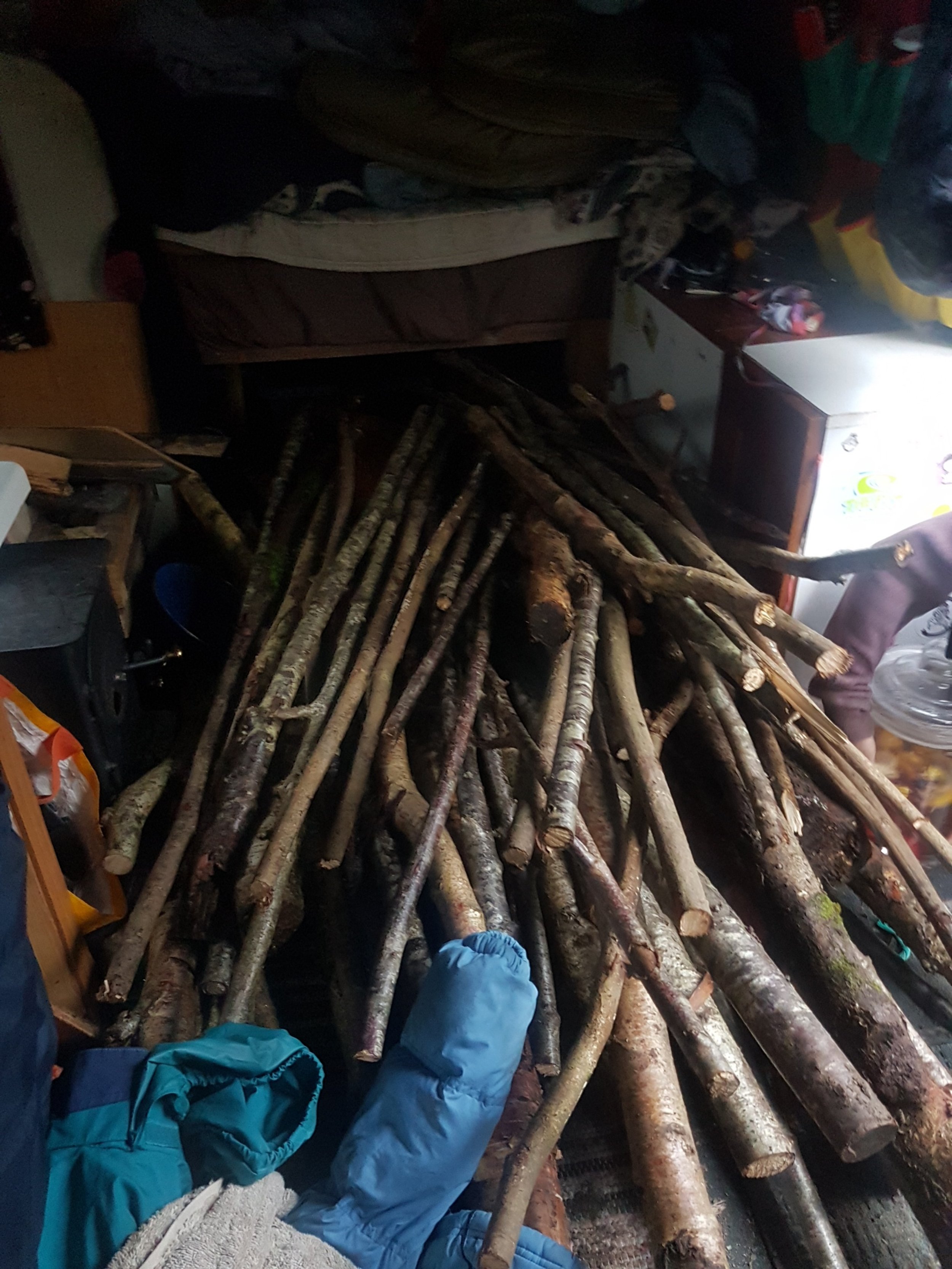

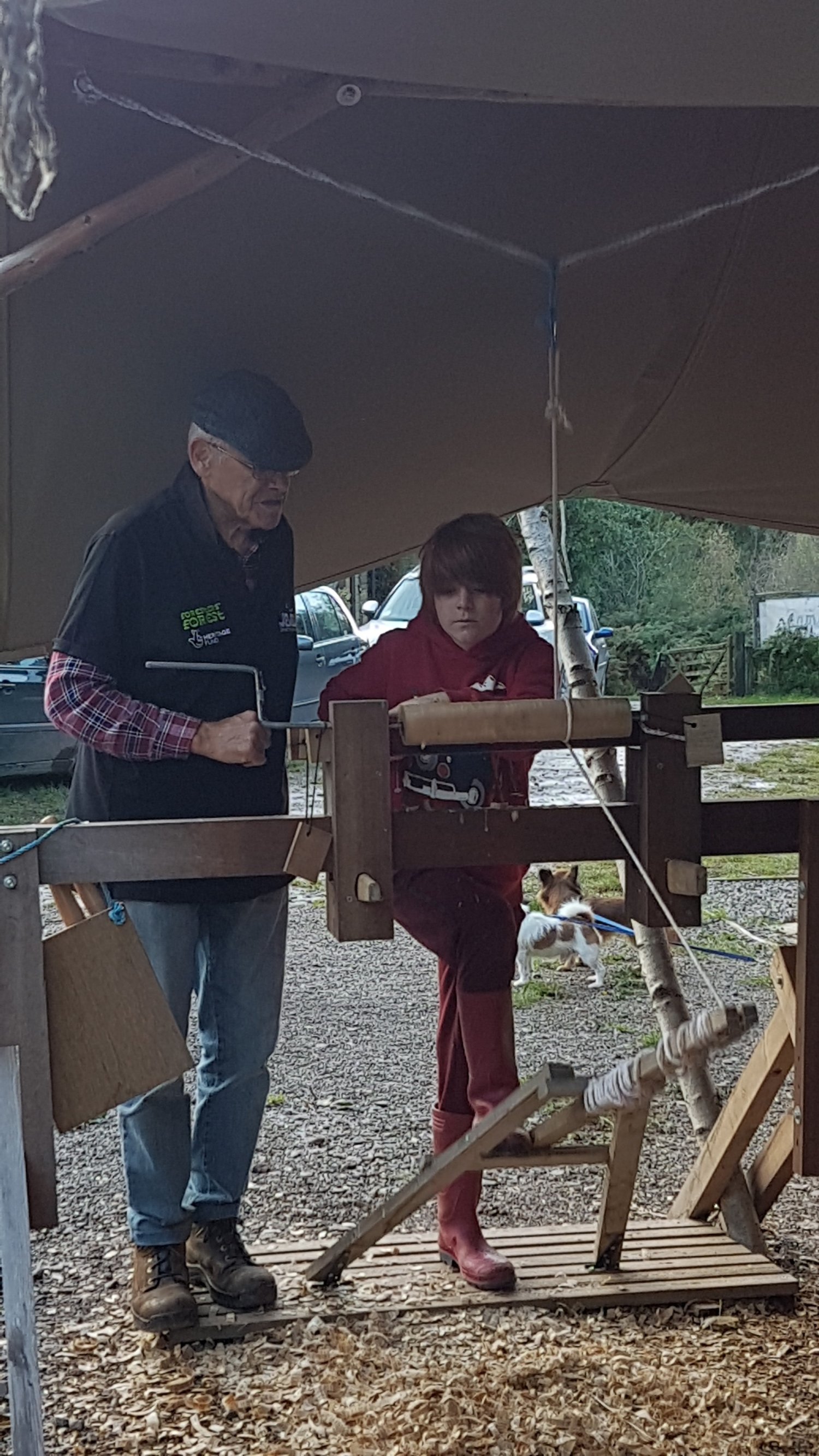
Alongside this, my personal life has been its own apprenticeship. Health journeys.
Birth and women’s empowerment.
Single parenting.
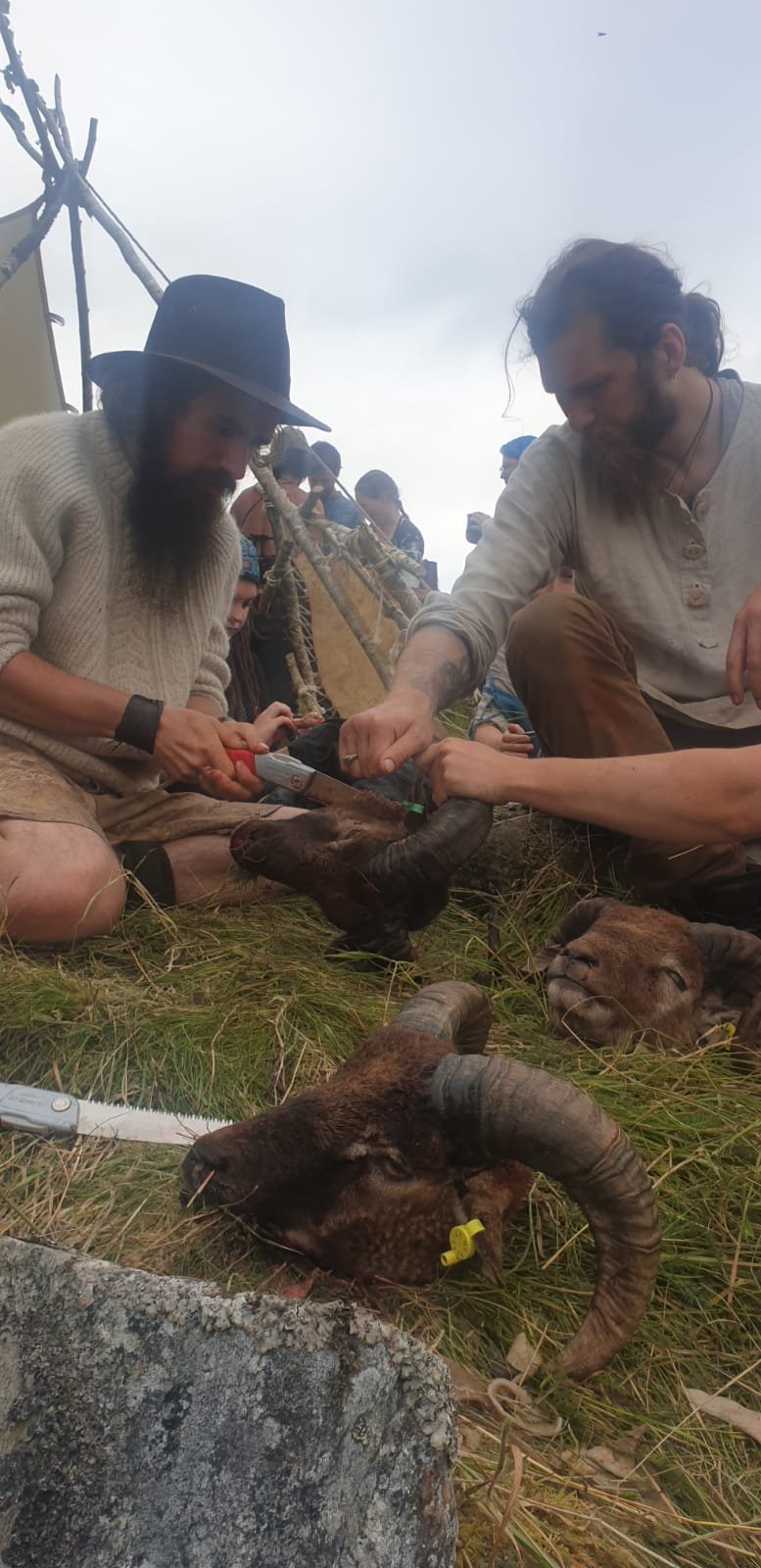
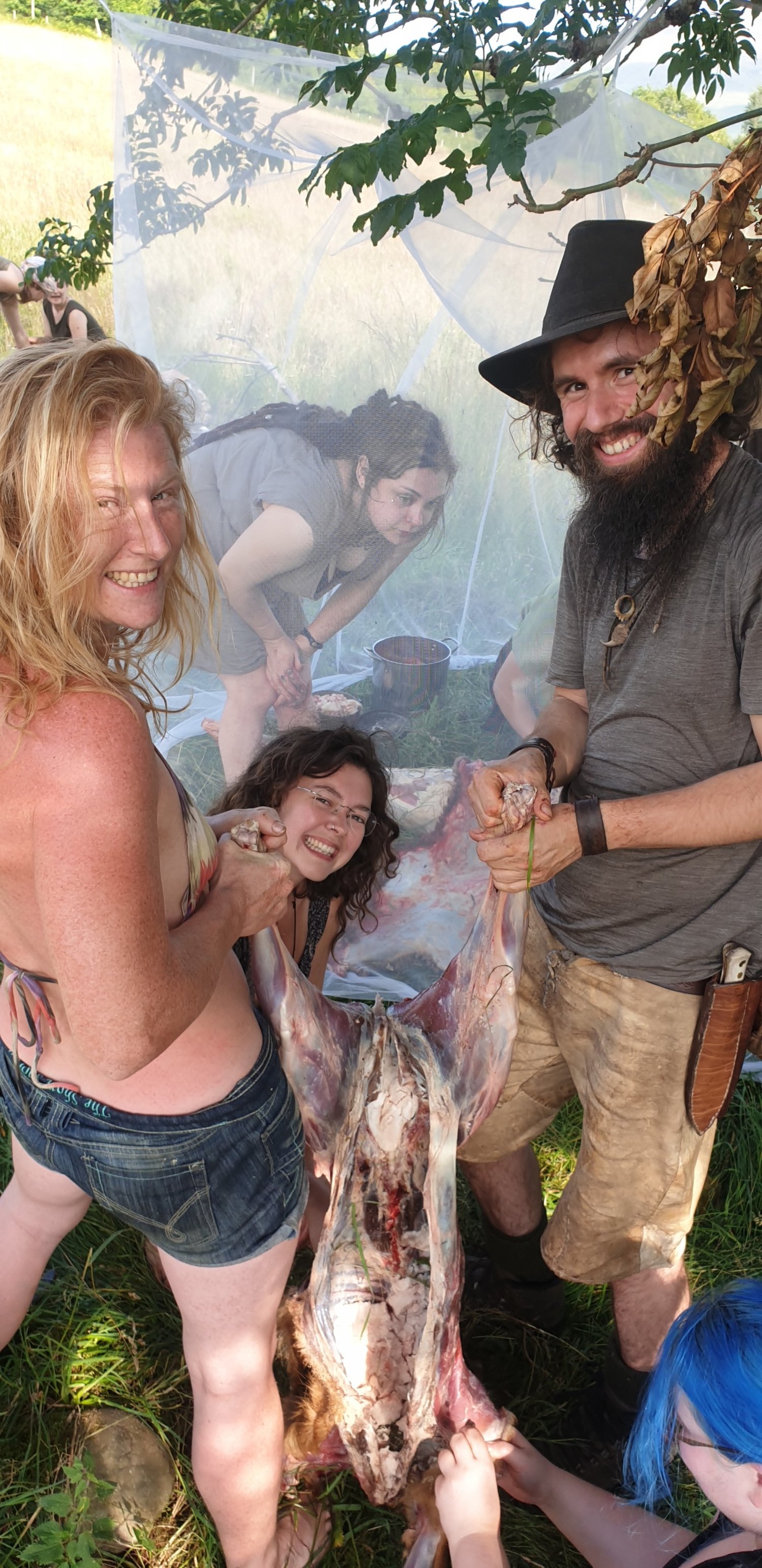
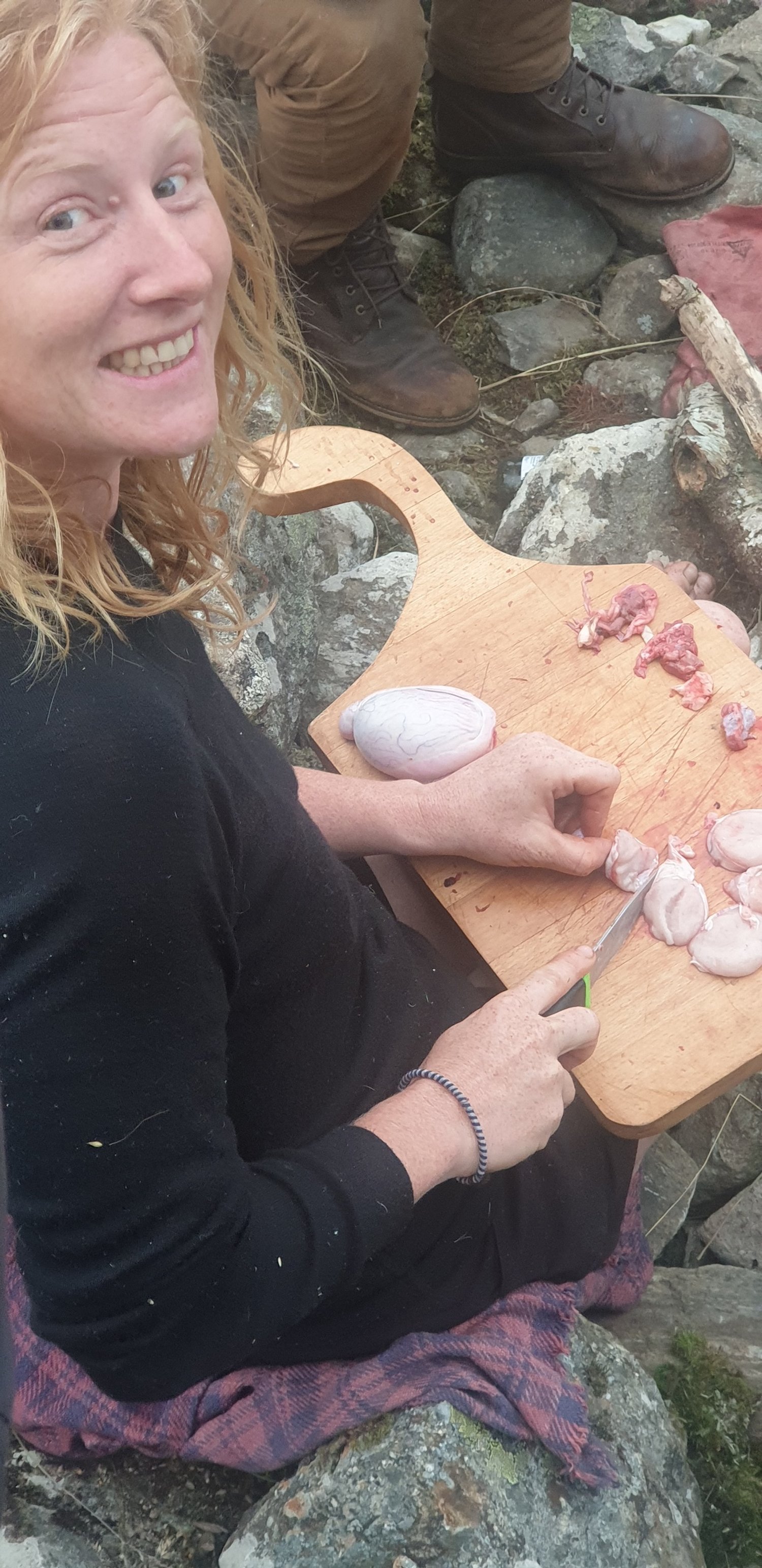
Dabbling with veganism, before finding a more balanced relationship with ethical, land-based food.
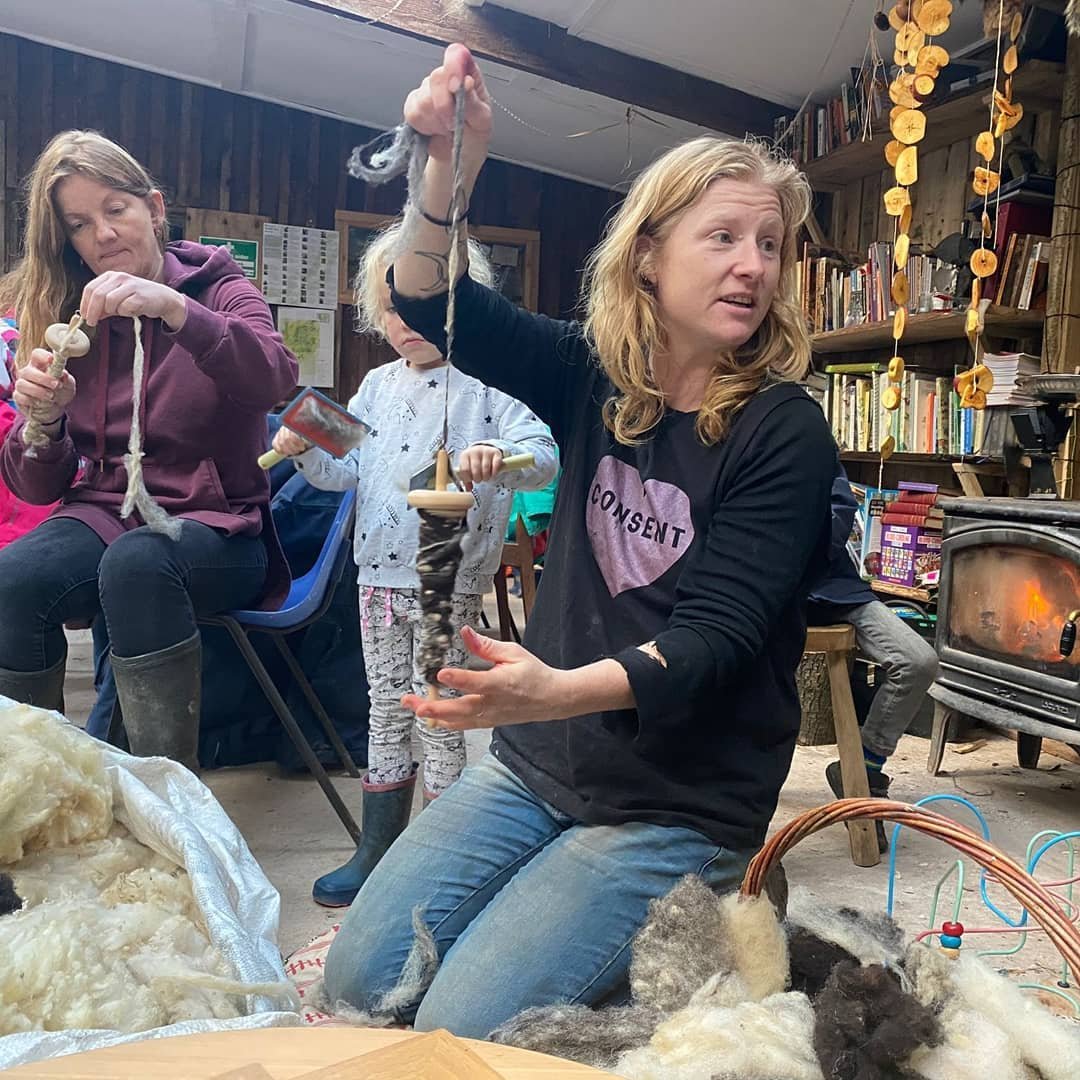
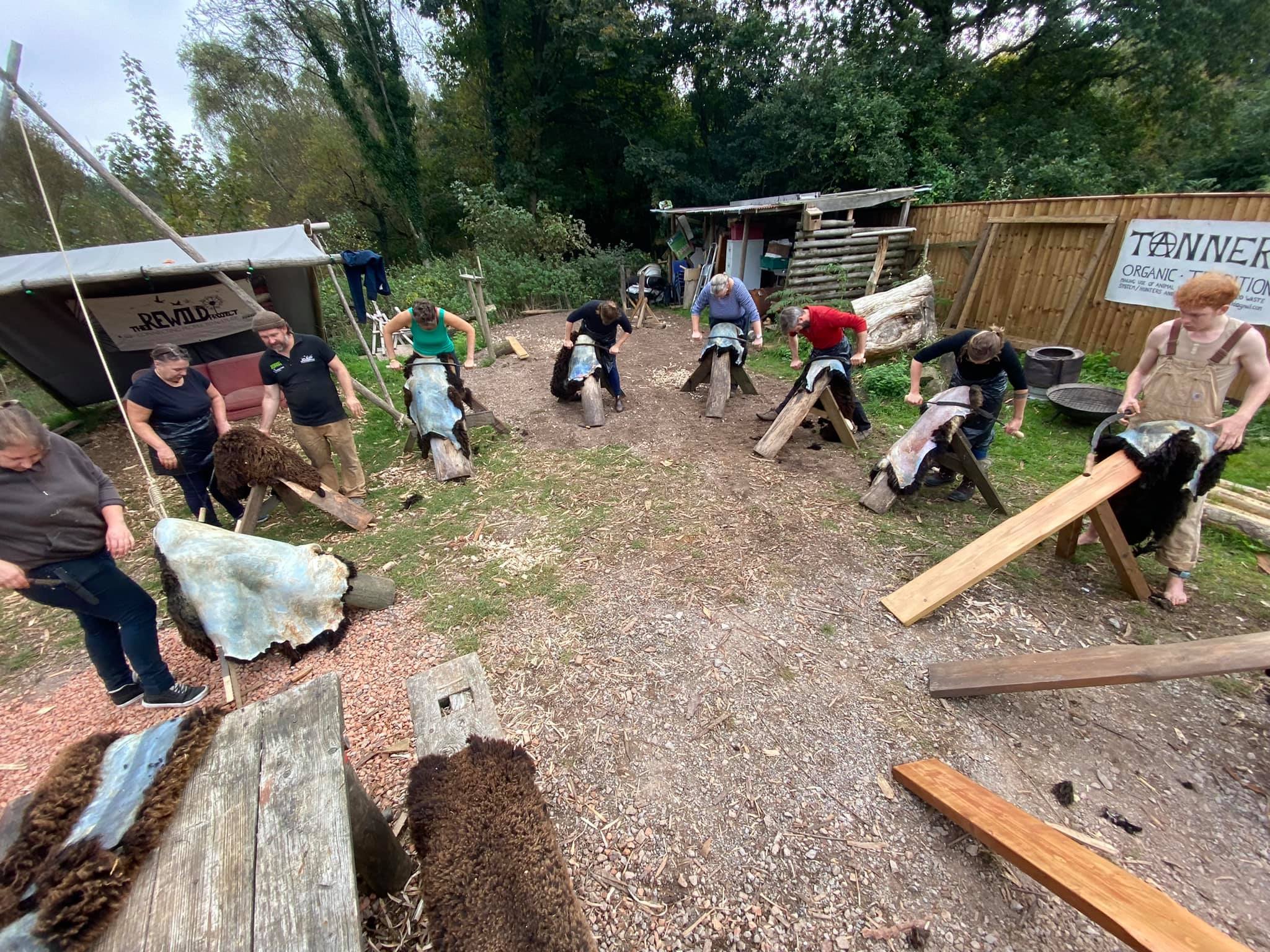
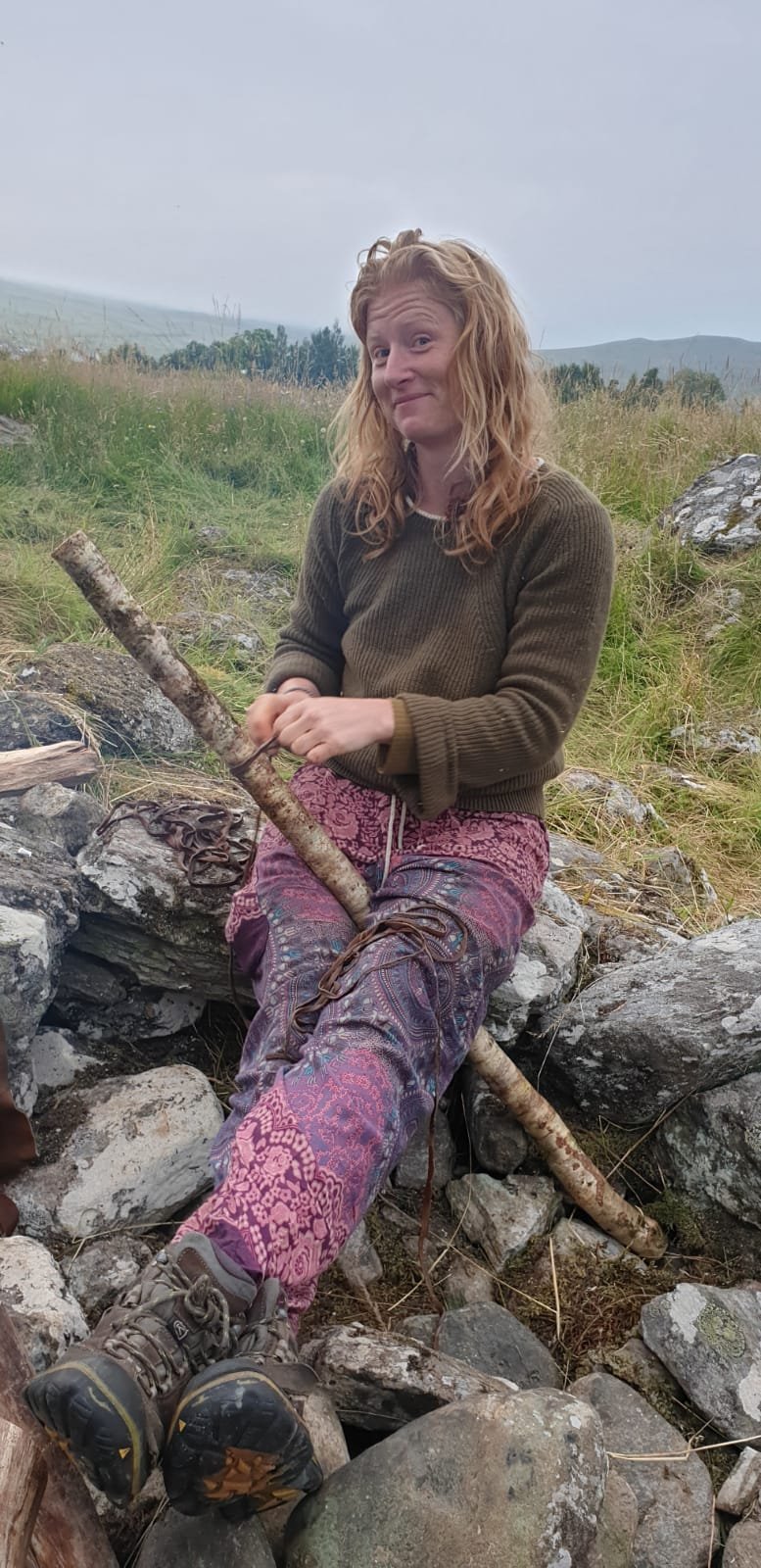
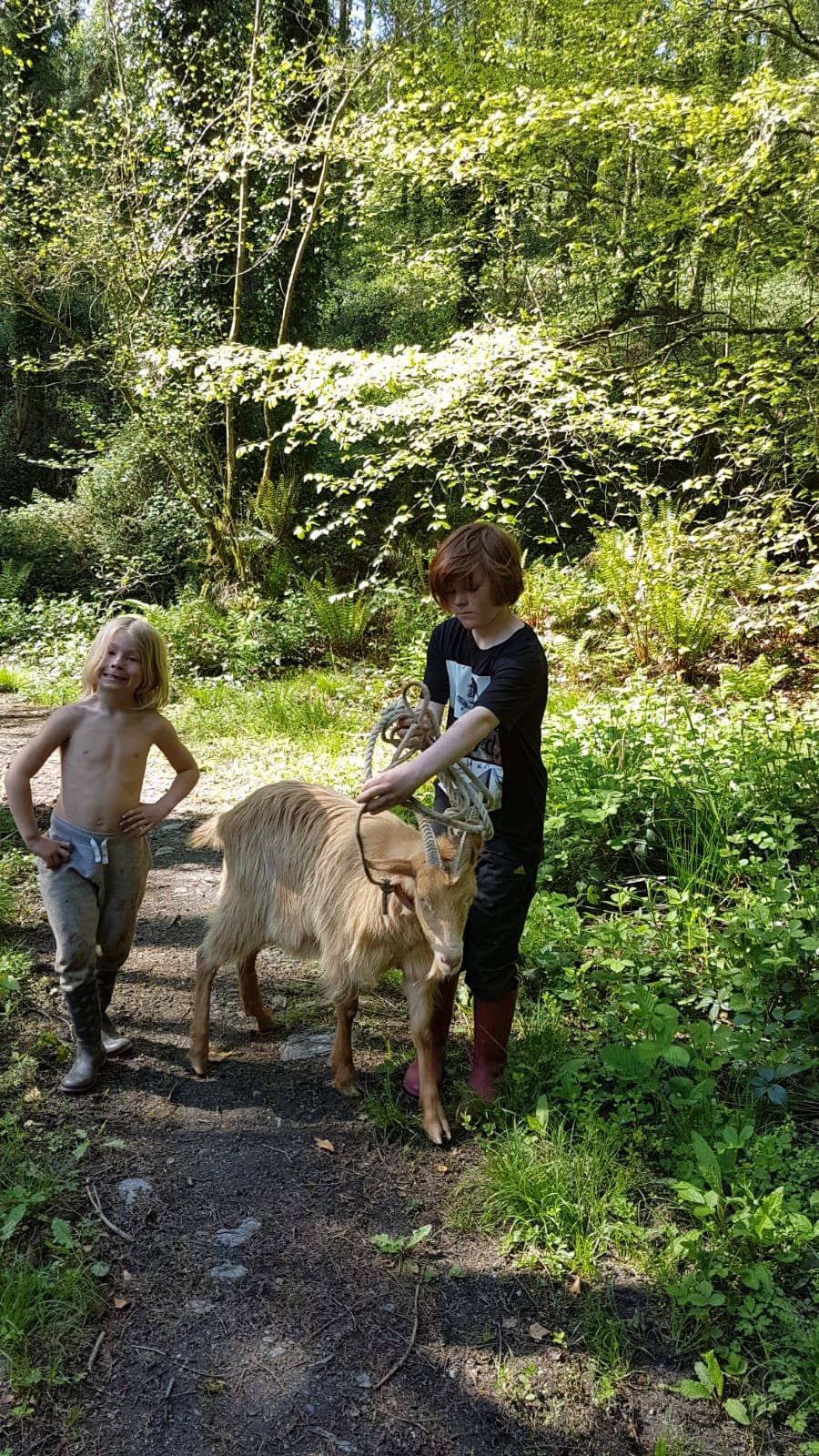
Heritage crafts. Steiner education. Home education.
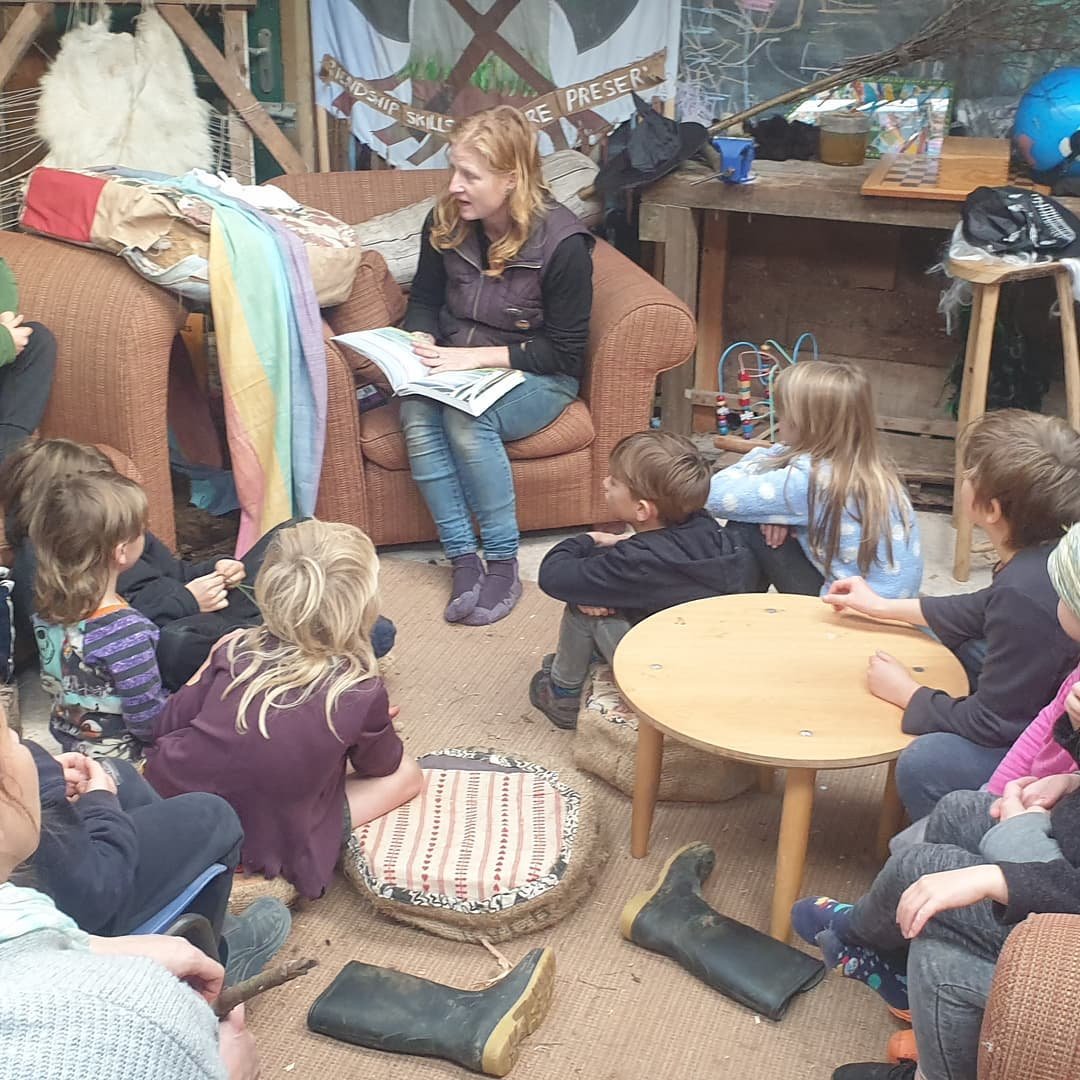
Volunteering. Project management. Employing staff. Implementing sociocracy in real, imperfect, human settings — not as theory, but as lived practice.
I live by my principles. Not rigidly, not perfectly — but consistently.
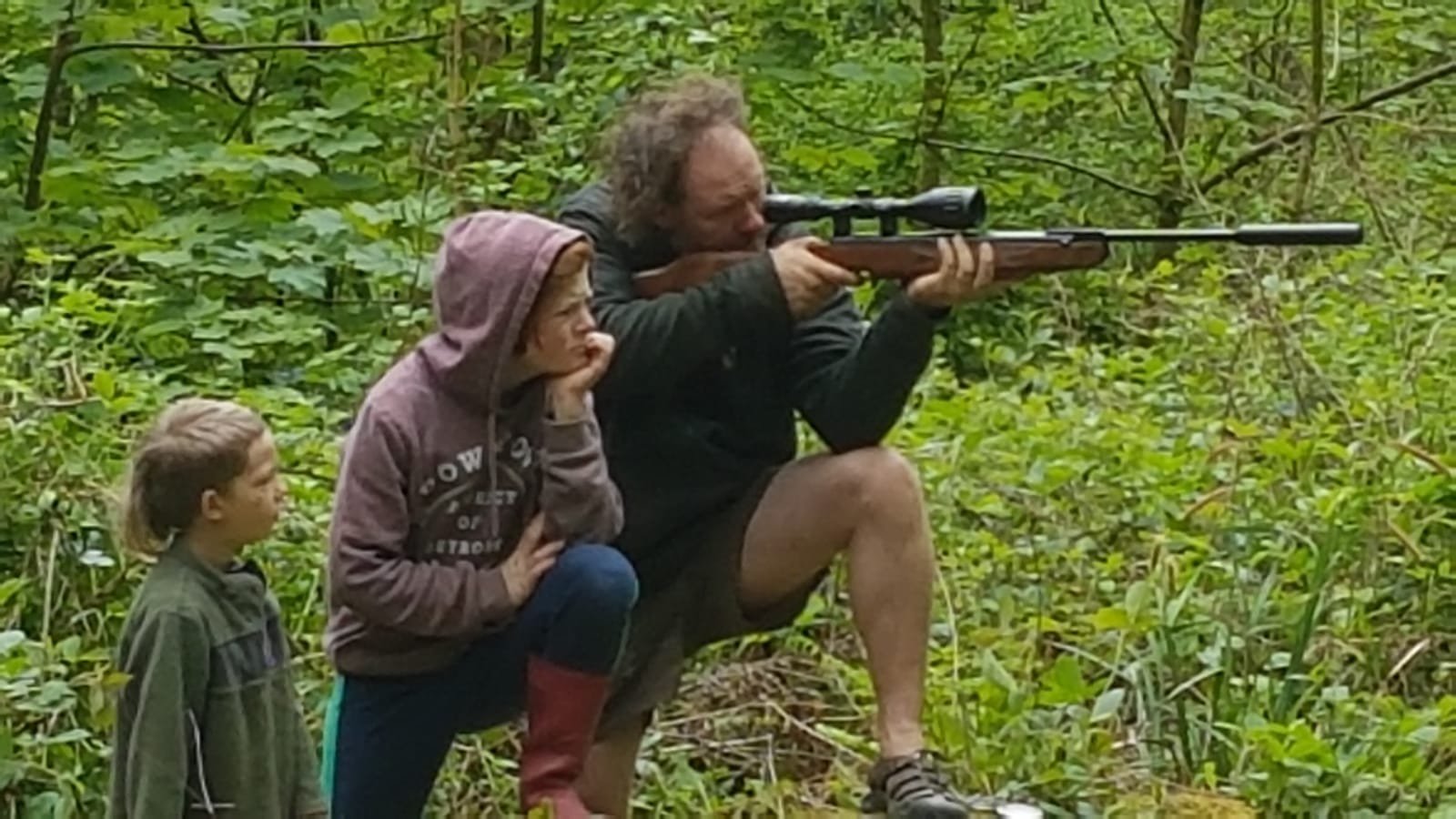
Over the past few years, my vision has been steadily weaving together with Scott’s vast practical experience of land, youth work, craft, and community-based education.
Again and again, we have found ourselves close
— close to something viable, grounded, and genuinely regenerative.
Now, we are closer still.
This year, we are deliberately slowing down in order to build properly: laying the next layer of foundations, strengthening governance, land stewardship, decision-making and shared responsibility — so what grows next is resilient, not fragile.
I don’t believe in hoping for a better world while waiting for someone else to build it. I believe in doing the work — patiently, collectively, and with memory intact — so the next generation inherits something more stable, more humane, and more alive than what we were handed.
SEED is not a fantasy.
It is a response to everything I’ve witnessed, lived, and learned.
I am not waiting for permission.
I am already doing the work.